NEWS
Website developed by Piotr Tyrakowski
Why This Topic Matters Now
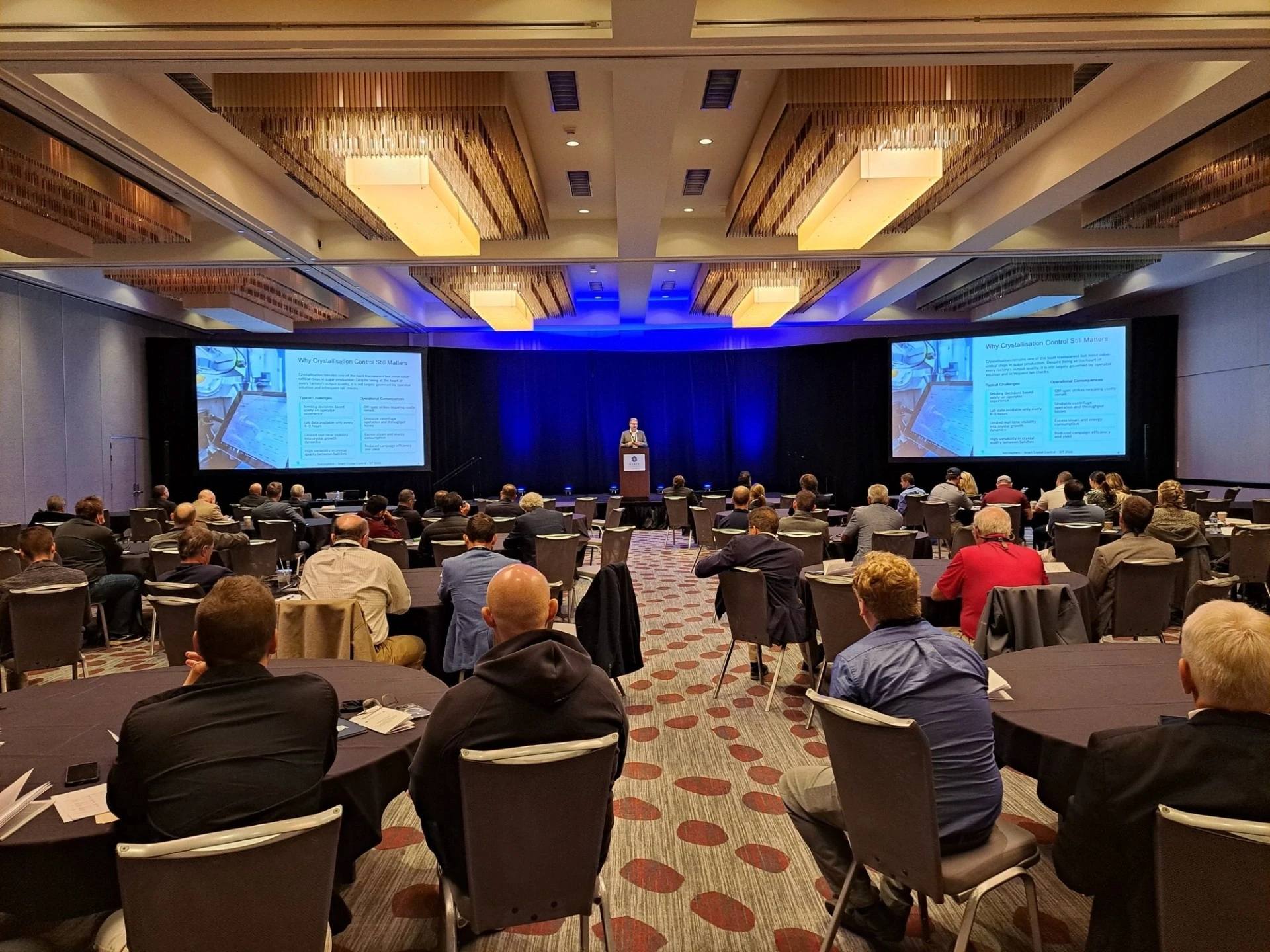
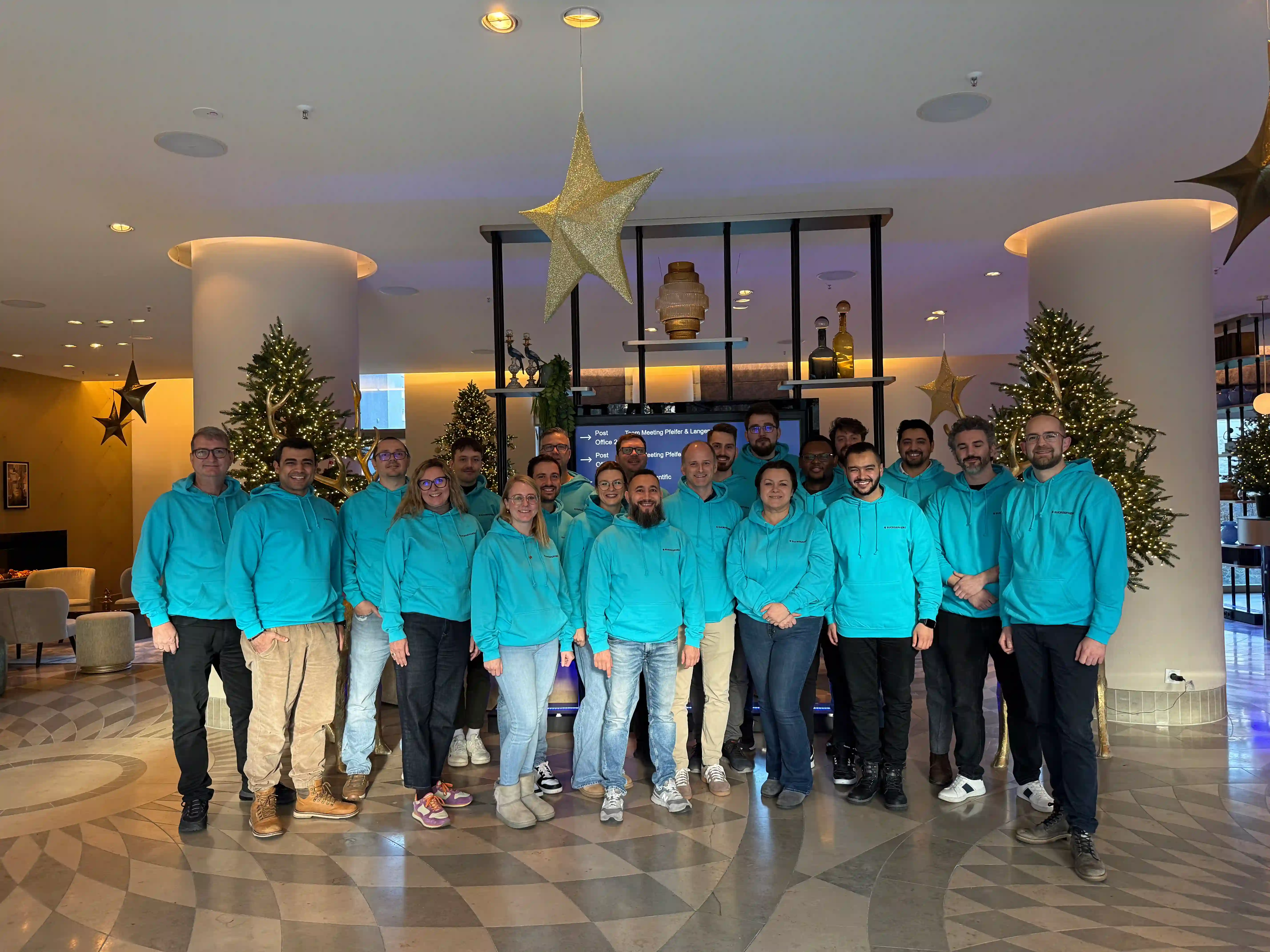
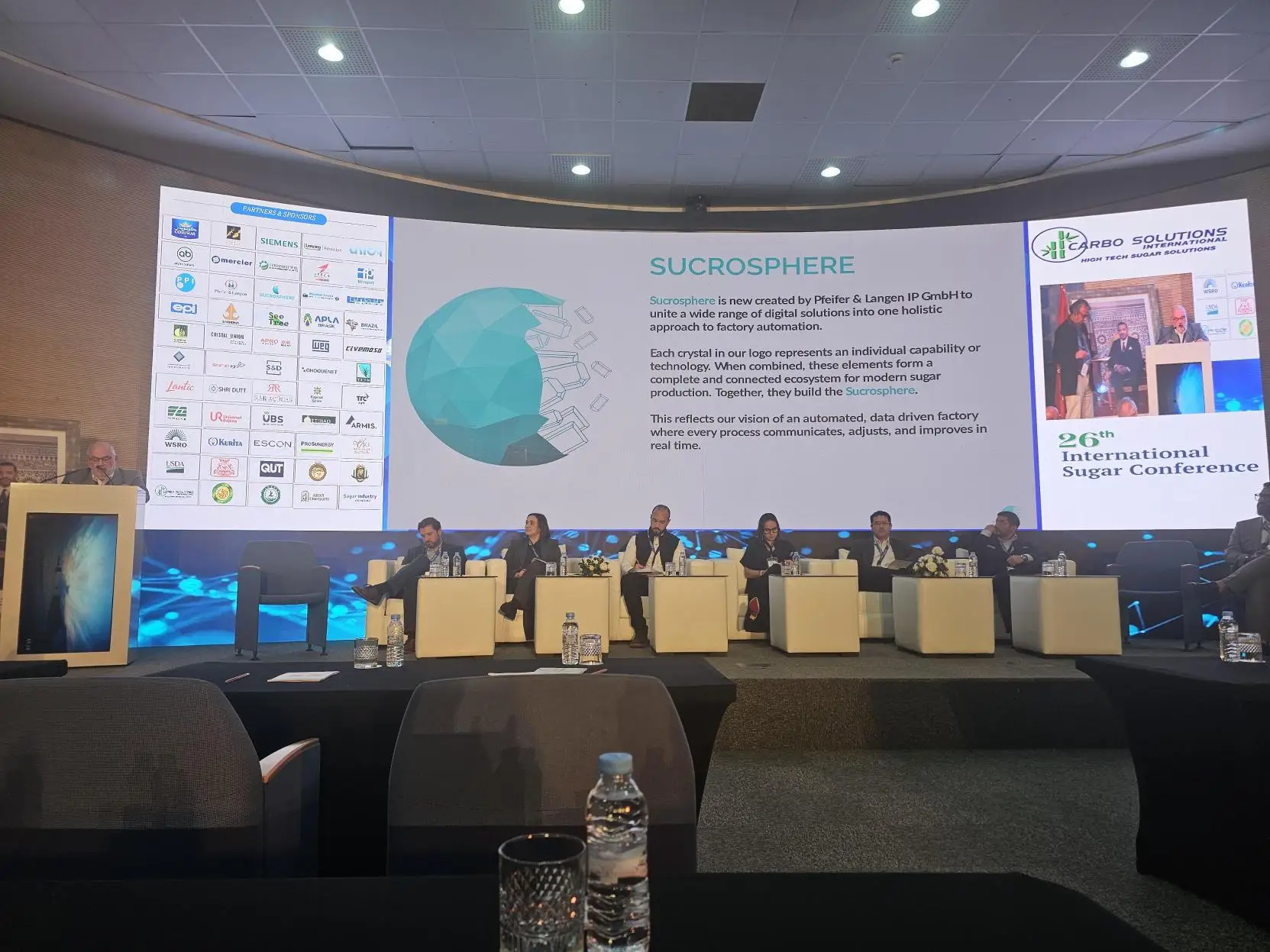
At the 26th CSI Conference in Marrakesh, one message became unmistakably clear: The sugar industry can no longer afford reactive decision-making.
Rising energy costs, volatile margins, aging assets, and increasing workforce pressure demand a new approach. Yet many digital transformation initiatives fail - not because of technology, but because they miss the operational reality.
In his AI Roadmap Workshop, Wolfgang Klosterhalfen outlined a pragmatic, experience-driven path to make AI and digitalization work on the plant floor, not just in strategy decks
Why Digital Transformation Often Fails
Drawing from real industrial projects, the workshop addressed uncomfortable truths:
Digitalization is often treated as an IT project, not a business transformation
Inefficient processes are digitized instead of fixed
Frontline teams are insufficiently involved
Data is fragmented, inconsistent, or not trusted
Big-bang projects replace fast, confidence-building wins
Add legacy systems, supplier lock-in, and fear of transparency - and even well-funded initiatives stall.
Proven Use Cases with Measurable Impact
Rather than abstract AI promises, the workshop focused on use cases that pay back within one campaign:
🔹 Energy Transparency in Evaporation
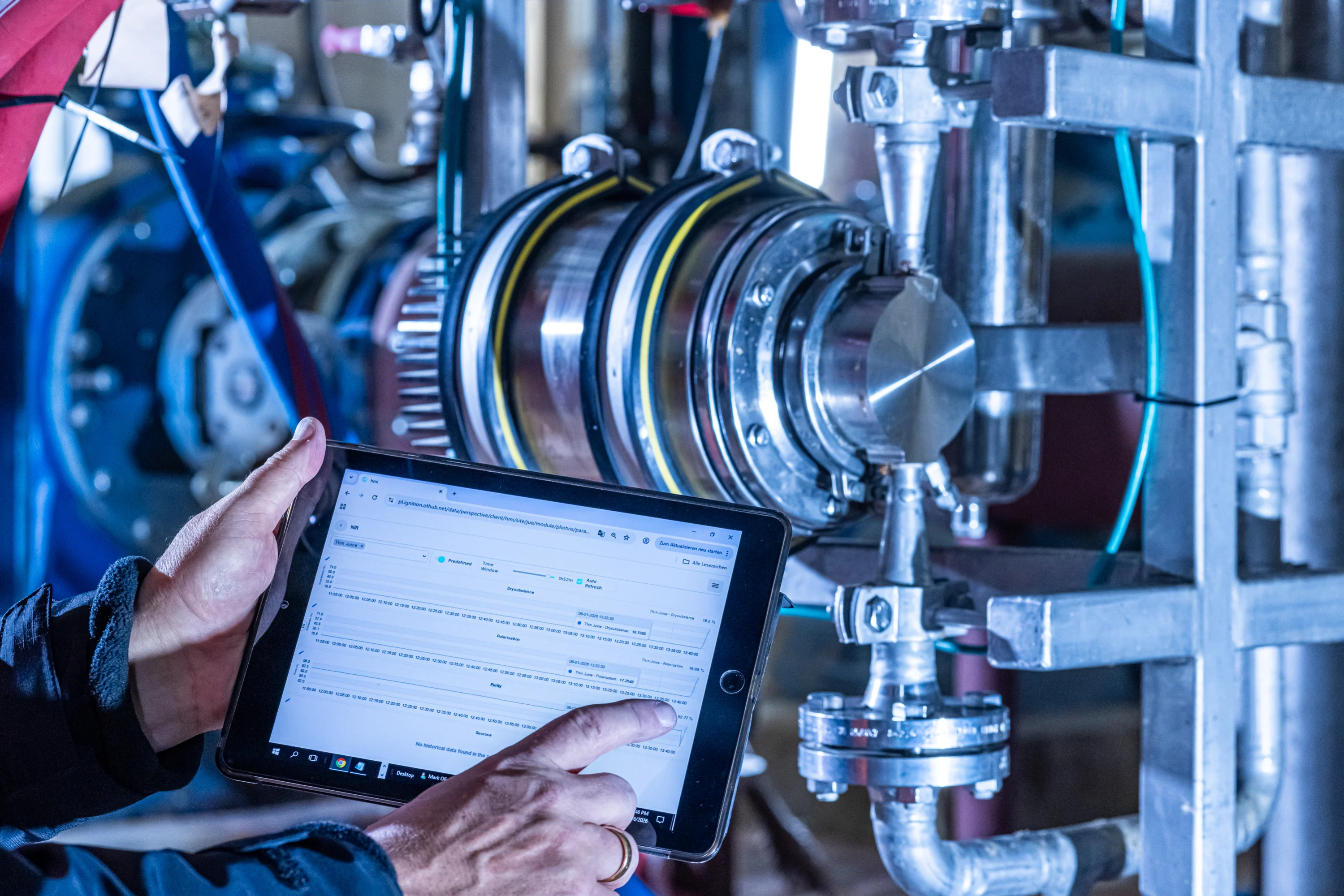
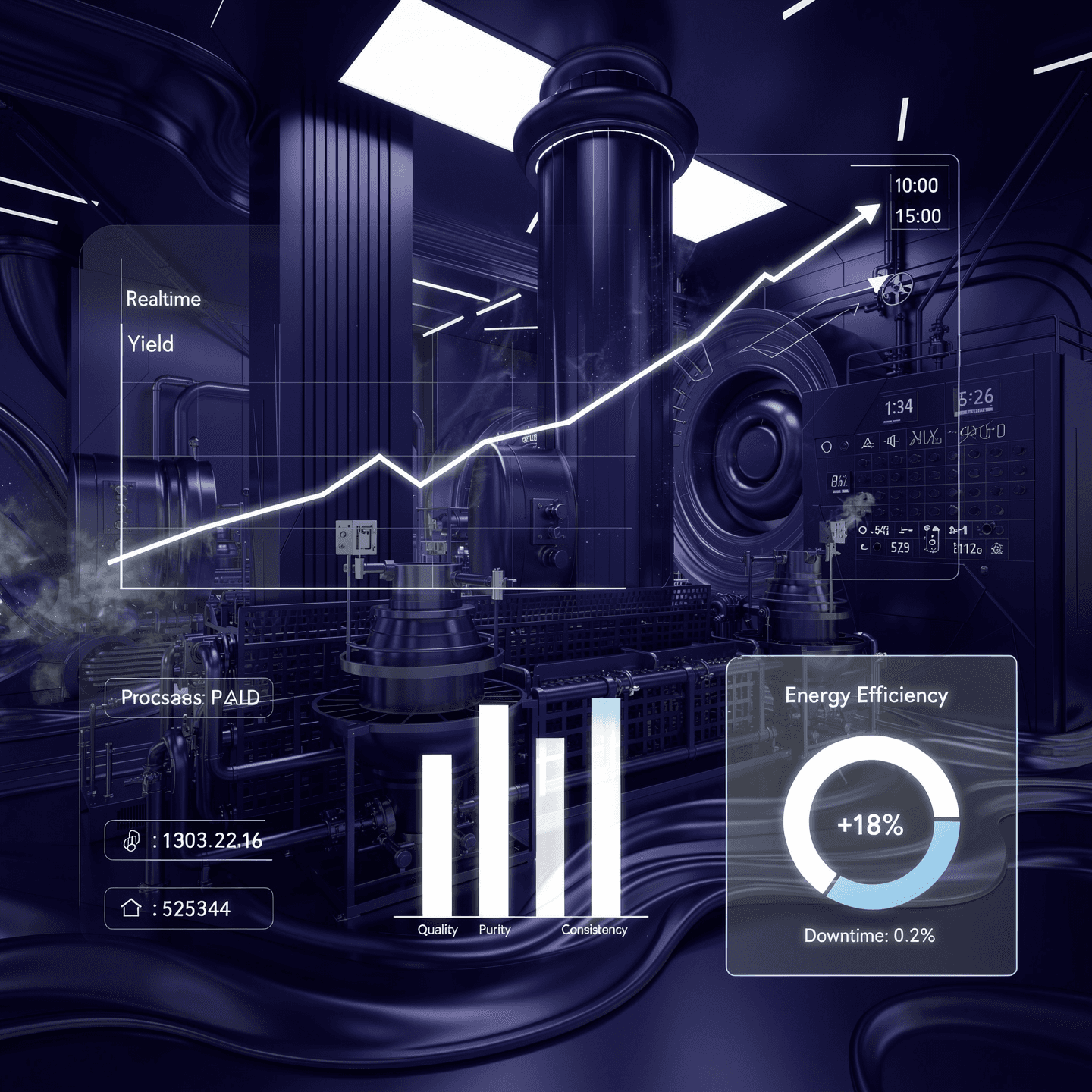
Real-time sensor data and energy dashboards reveal inefficiencies instantly.
Result: 3–8% steam reduction, payback < 6 months.
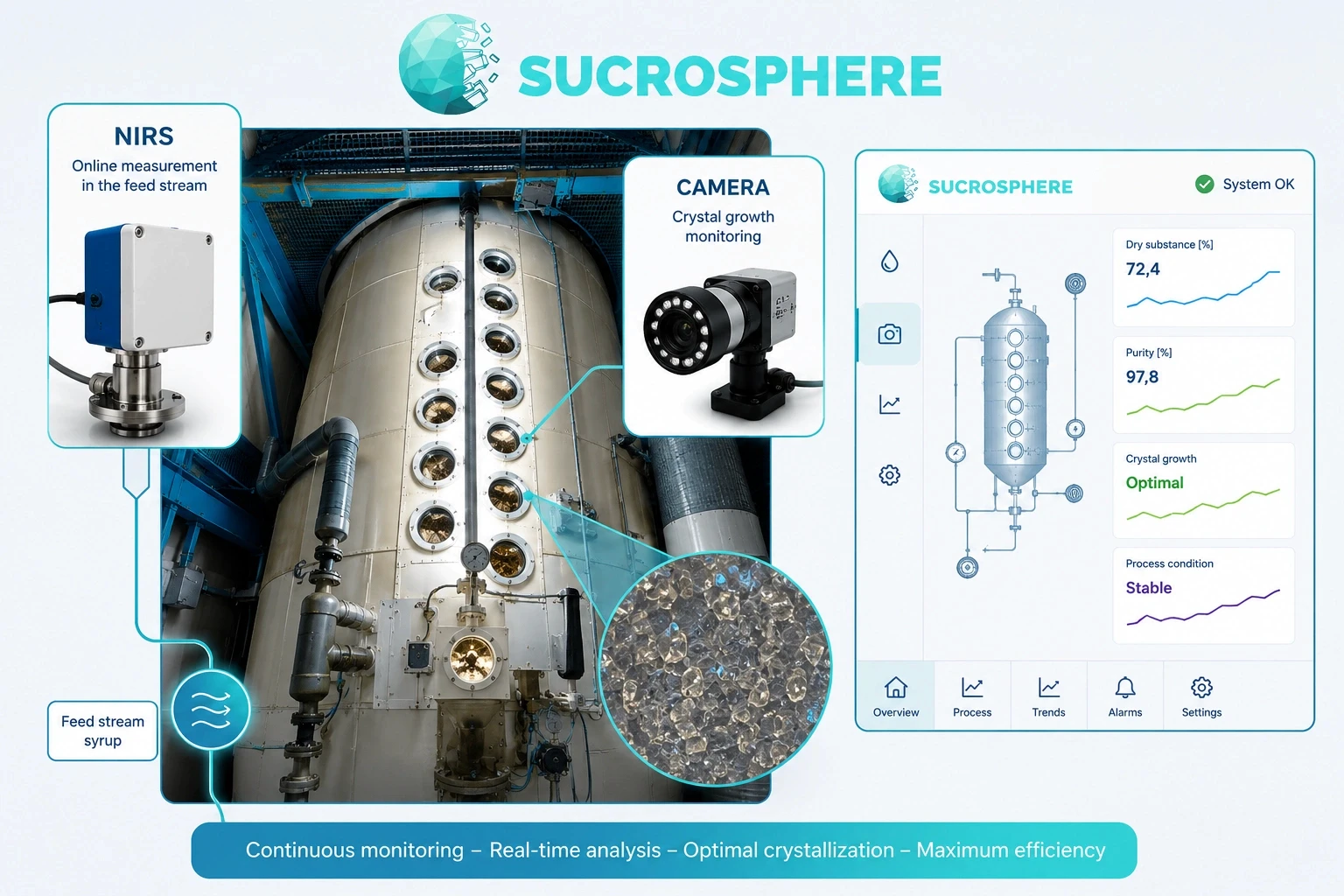
🔹 Digital Pan-Boiling Advisor
Expert operator knowledge is captured, modeled, and made available in real time.
Result: 15–20% reduction in crystal variability, faster onboarding, higher throughput.
🔹 Predictive Maintenance for Centrifuges
Vibration and temperature data detect failures weeks in advance.
Result: up to 80% less unplanned downtime.
🔹 Digital Performance Management in Packaging
Digitized downtime tracking and daily OEE reviews replace manual logs.
Result: OEE improvement from ~68% to >80% within months.
These examples underline a key insight: AI already works in continuous industries — including sugar.
Technology Is Easy. People Are the Challenge.
A central theme of the presentation was culture and ownership:
Successful plants appoint a plant-level owner, not a remote digital team
Shift supervisors must become co-designers, not passive users
Transparency must be “no blame, but act” — otherwise data becomes fiction
Daily management routines and micro-trainings beat one-off projects
Digital tools succeed when they reduce workload, stress, and surprises — not when they add reporting effort.
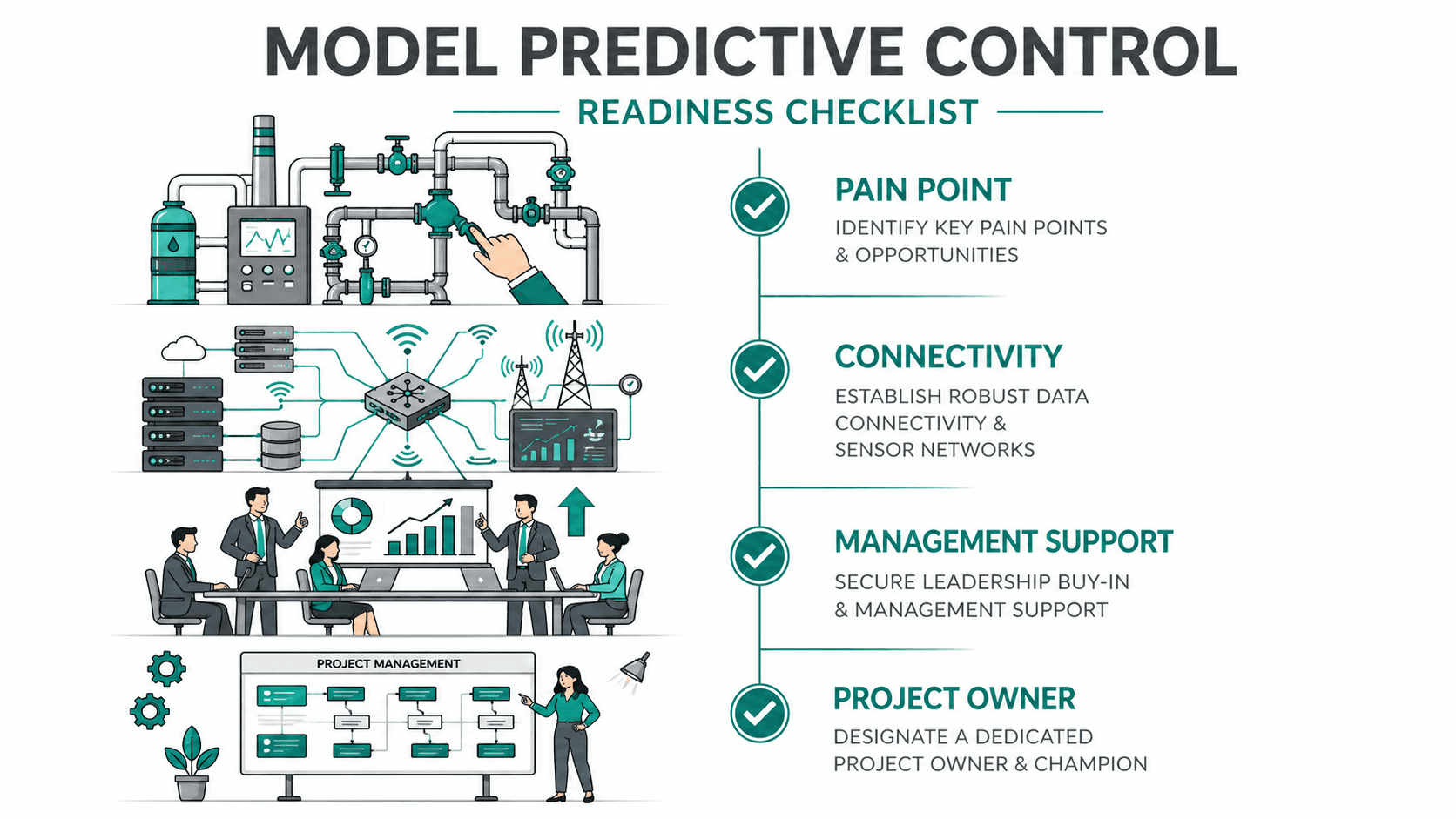
The Roadmap: Start Small, Scale Fast
The proposed roadmap is deliberately pragmatic:
Identify real pain points
Assess sensor and data gaps
Define clear ownership
Launch one lighthouse project
Prove value — then scale
Momentum matters more than perfection.
Conclusion
The Marrakesh workshop made one thing very clear:
AI in sugar production is no longer a future vision — it is a competitive necessity.
With the right data foundation, sensor strategy, frontline engagement, and cultural alignment, digital transformation becomes a repeatable capability — not a risky experiment.