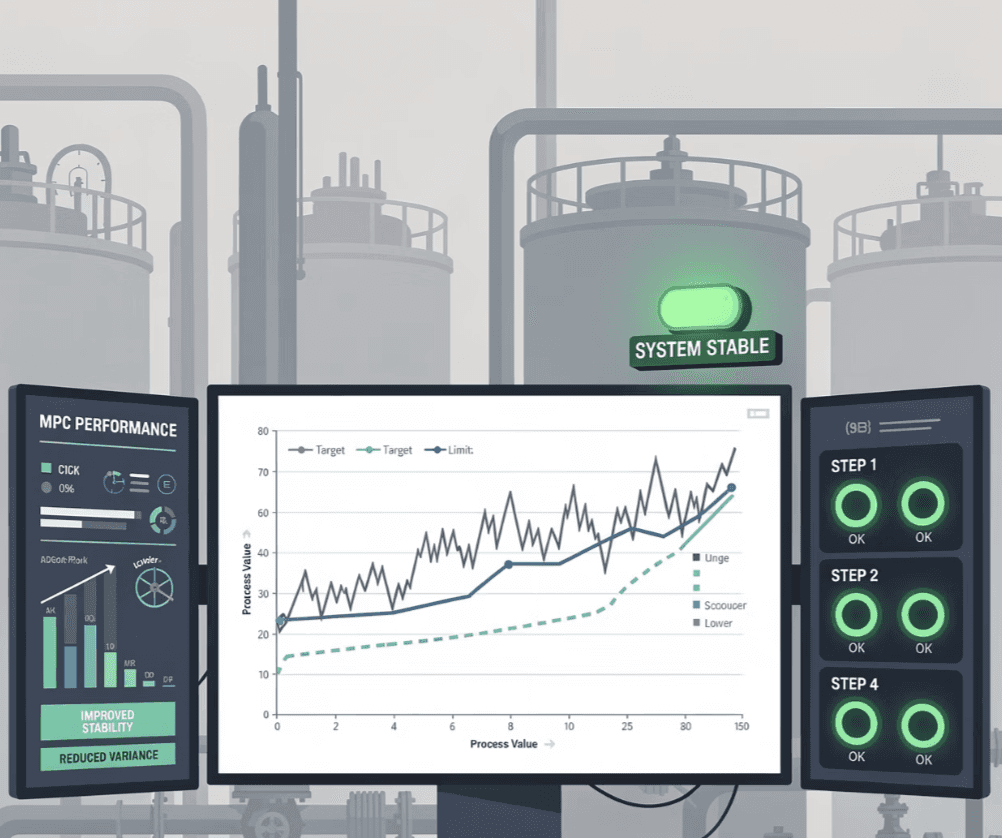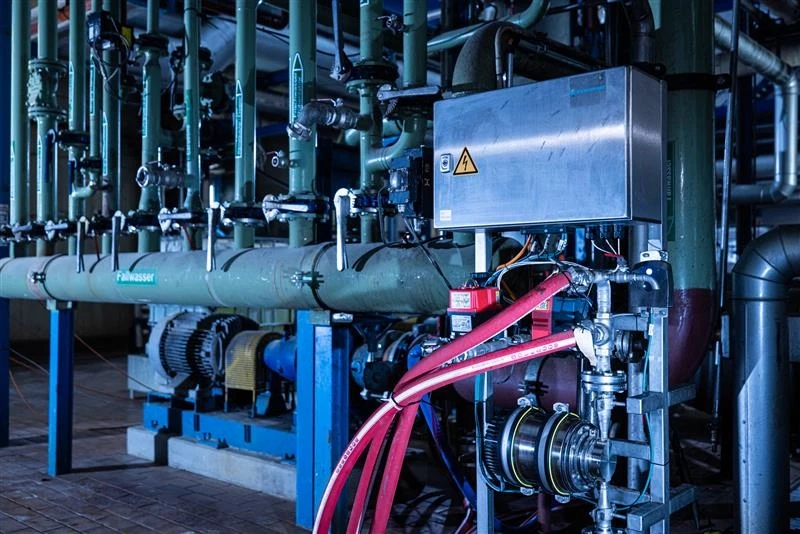
Continuous sensor data meets predictive control: reducing operator interventions by 90% while driving measurable gains in yield and energy efficiency.
4 to 8 hours. That is how long most sugar factories wait between lab samples before learning what is happening inside their extraction process. In those hours, cossette quality shifts, draft concentration drifts, and sugar slips away in pressed pulp, undetected until the next round of results arrives on a clipboard.
For an industry where tenths of a percent in sugar yield translate directly to revenue, this delay is not a minor inconvenience. It is a structural blind spot. Operators are left to manage a tightly coupled, multivariable process using single-loop PID controllers and experience-based intuition, reacting to problems that have already cost money rather than preventing them.
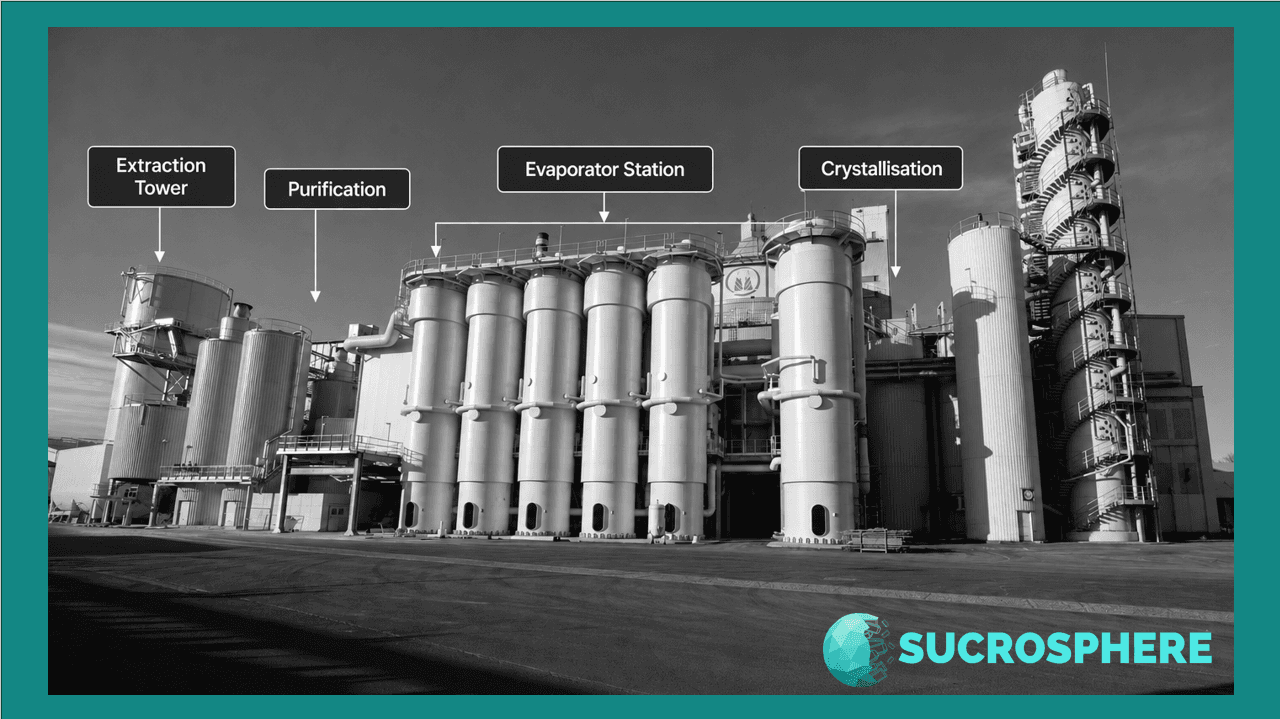
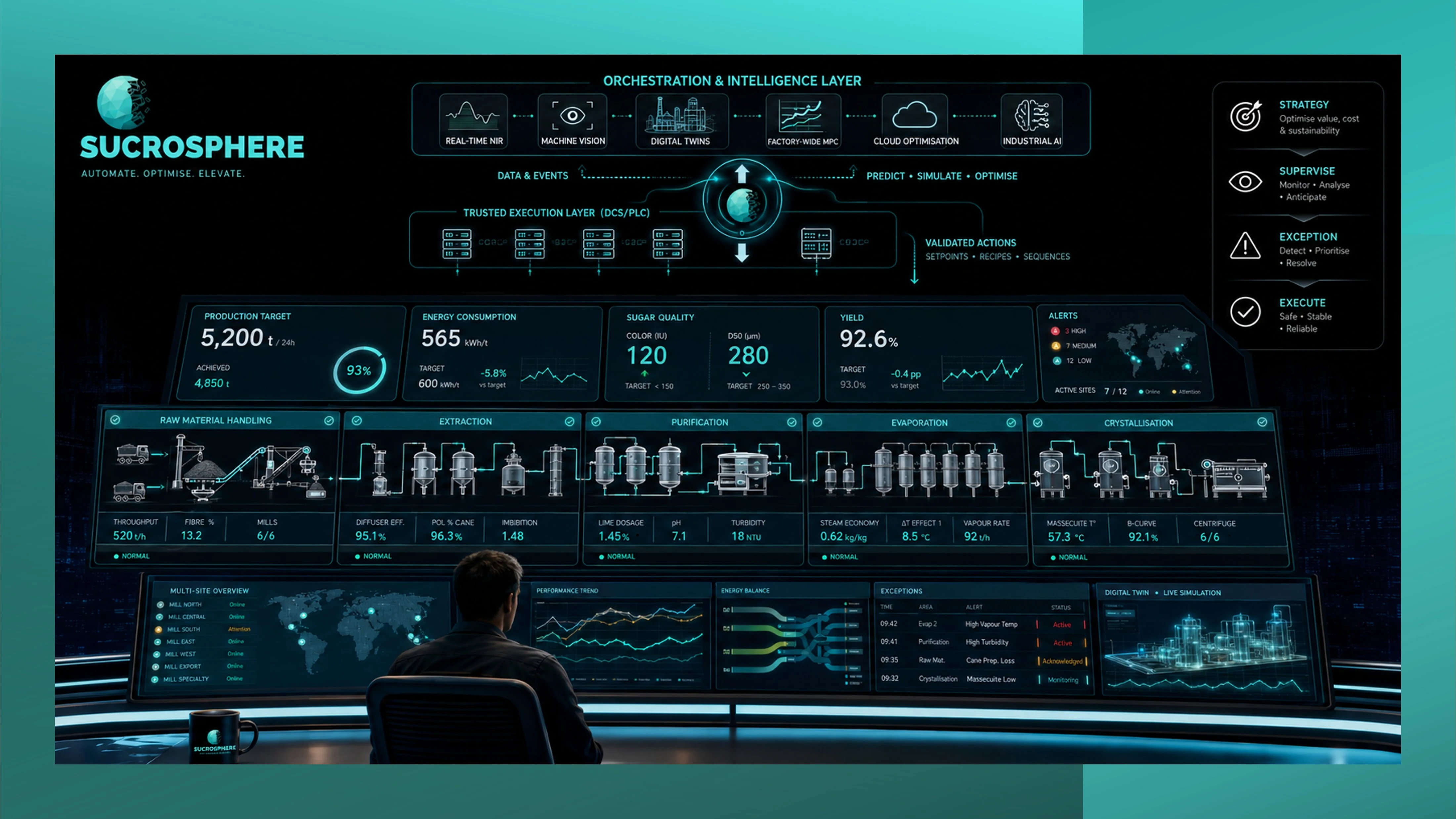
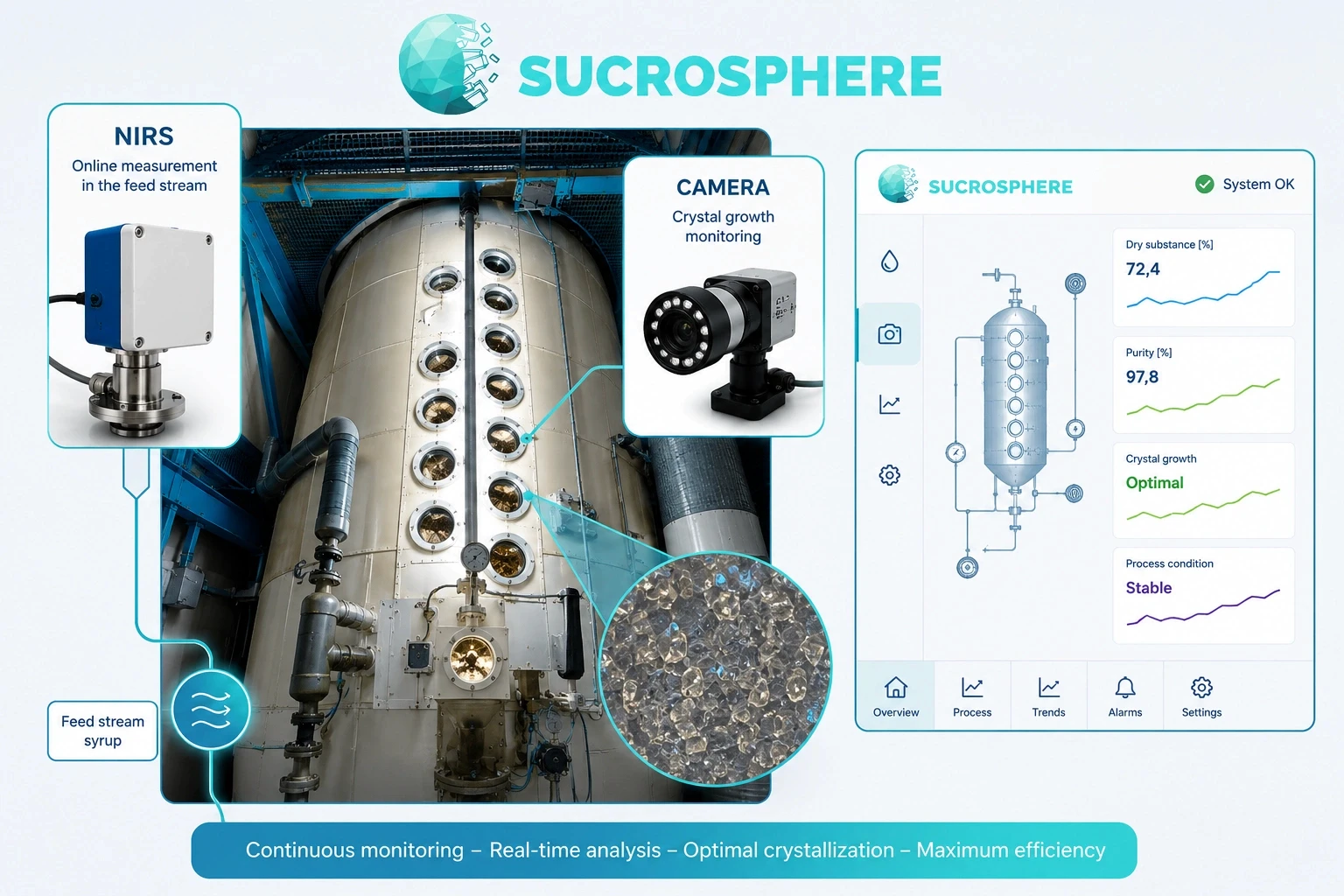
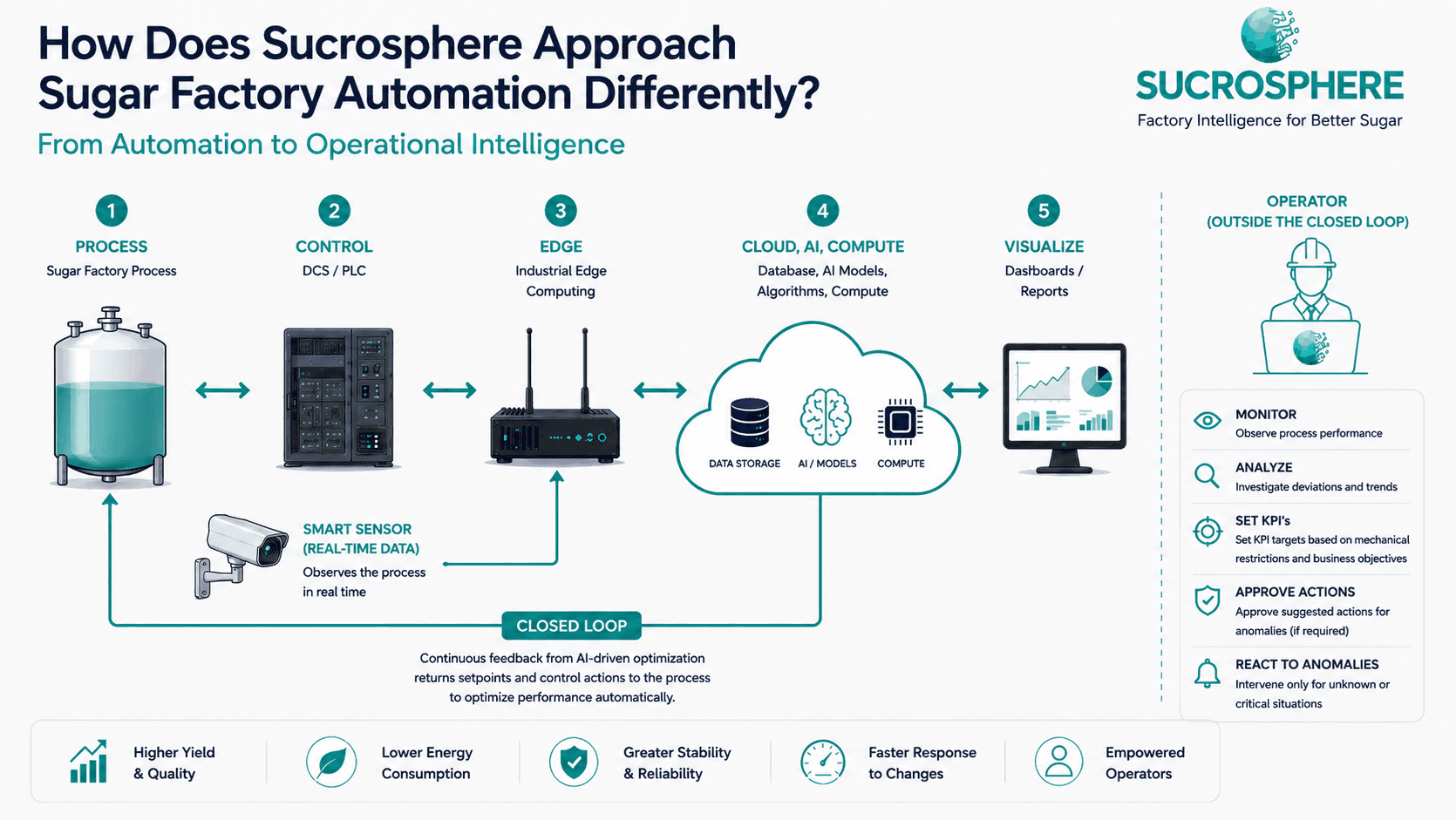
At Sucrosphere, we asked a different question: what if the extraction station could see, think, and act in real time? The answer combines 2 continuous sensing technologies, VSS (Vision Smart Sensor) for cossette quality and NIRS (Near-Infrared Spectroscopy) for all extraction streams, with a Model Predictive Controller that turns that data into optimised action, every minute of the campaign.
Why Is Extraction One of the Hardest Control Problems in the Sugar Factory?
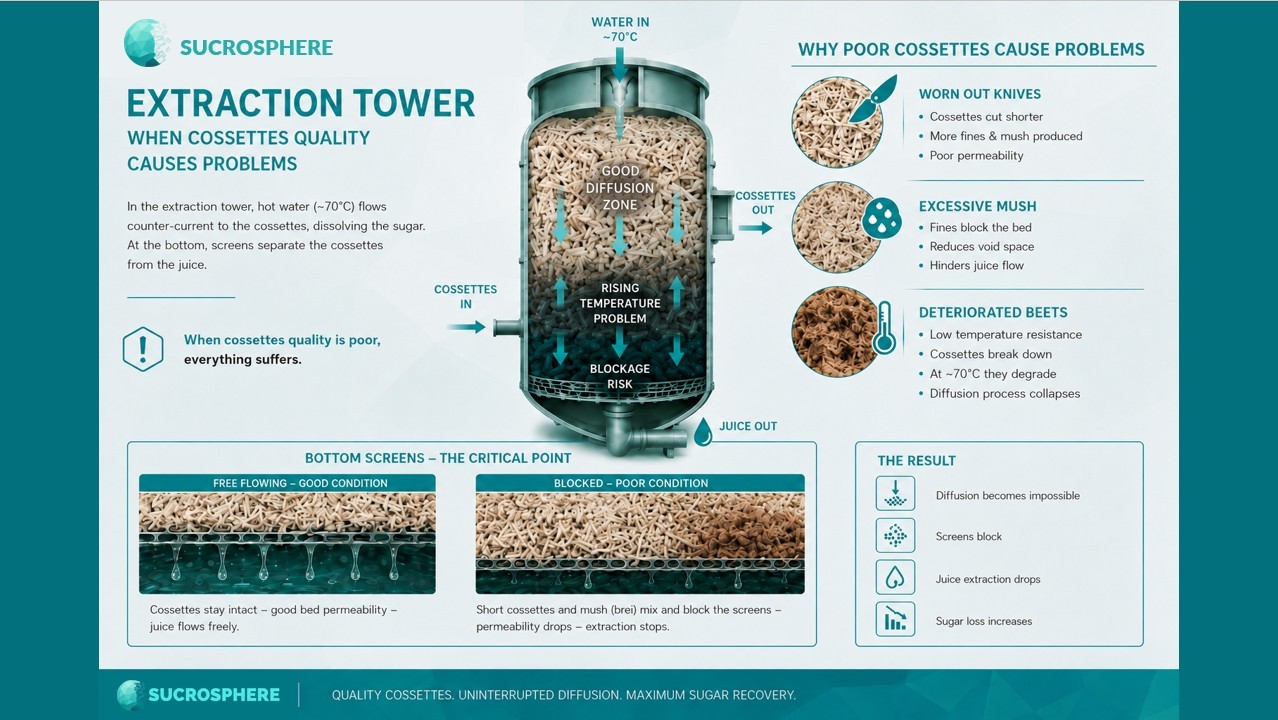
Extraction is not a single-loop control problem. It is a constrained multivariable system with strong coupling between variables, large and unpredictable disturbances, hard operating limits on equipment, long process delays, and continuously changing feed cossette quality.
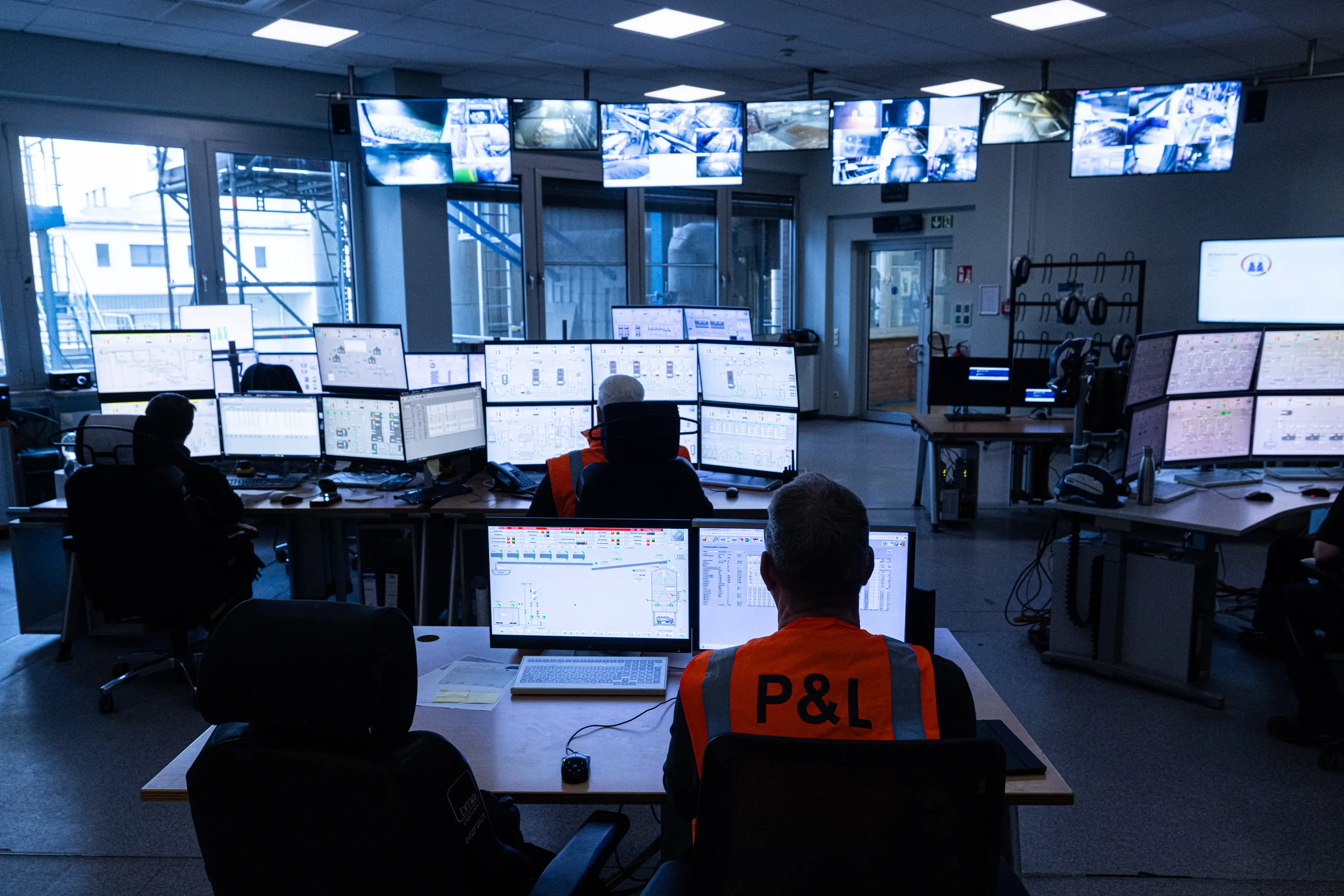
Operators working within a traditional DCS are effectively solving a high-dimensional optimisation problem in their heads, adjusting tower speed, mixer speed, draft ratios, and temperatures simultaneously, all while respecting torque limits, pressure bounds, and screen constraints. Even the most experienced operators cannot keep every variable always in its optimal range. Something always gives, and what gives is usually yield, energy efficiency, or both.
Traditional Operation vs. Smart Sensor-Driven MPC
The shift from conventional DCS control to sensor-integrated MPC changes every layer of how the extraction station operates.
| Aspect | Traditional DCS Control | VSS + NIRS + MPC |
|---|---|---|
| Process feedback | Lab samples every 4 to 8 hours | Continuous real-time data from VSS and NIRS sensors |
| Control approach | Single-input, single-output PID loops | Multivariable predictive control with constraint handling |
| Optimisation | Operator judgment, setpoint tracking | KPI-driven automatic optimisation (yield, energy, purity) |
| Disturbance response | Reactive: correct after deviation | Predictive: anticipate and compensate before impact |
| Operator workload | ~40 manual interventions per shift | ~3 to 4 supervisory checks per shift |
| Cossette quality | Periodic visual inspection | Continuous VSS analysis with automatic MPC adaptation |
| Stream composition | Delayed lab values (DS, POL, SUC, Purity) | Real-time NIRS measurement across all streams |
How Does the System Work?
VSS: Continuous Cossette Quality Analysis
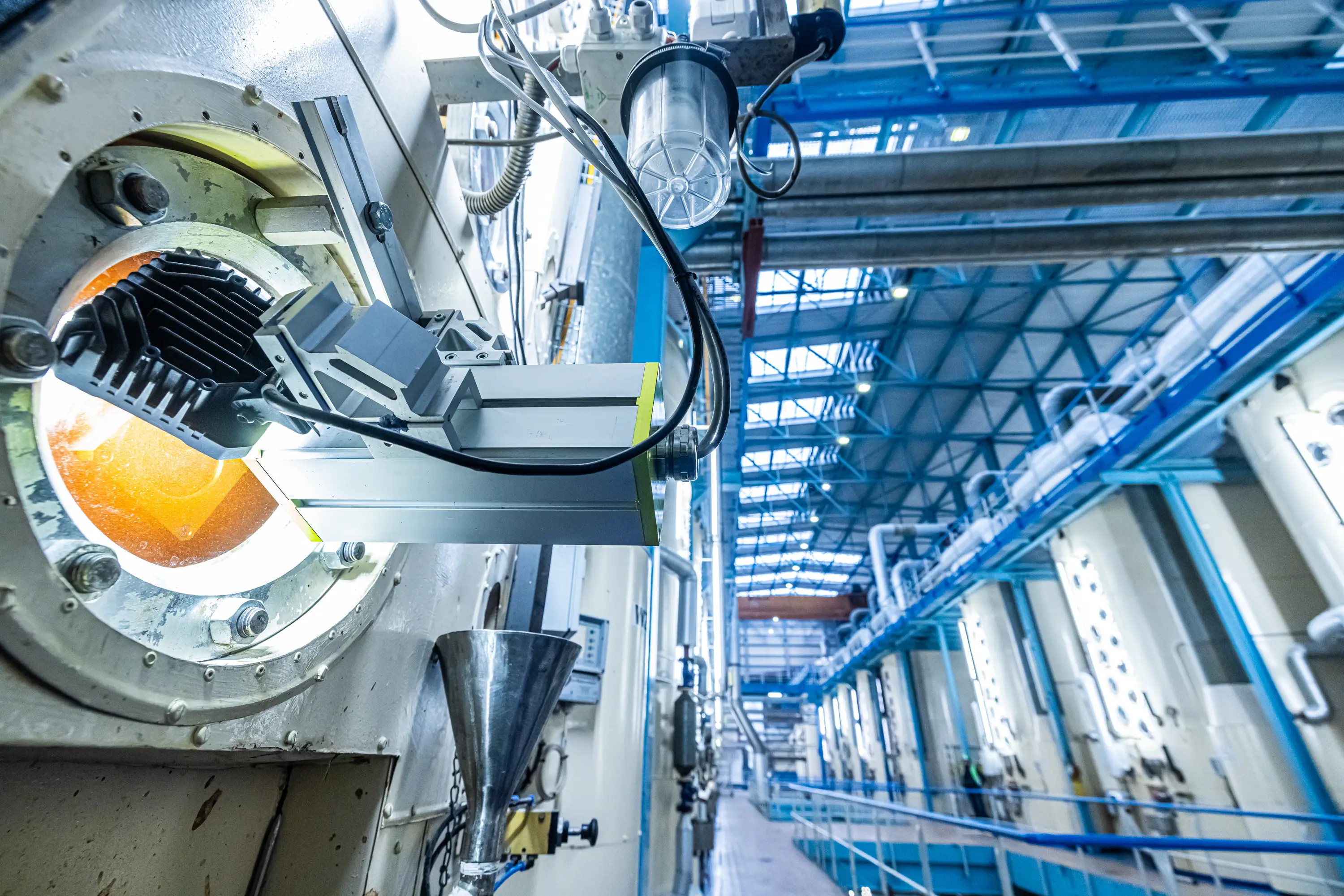
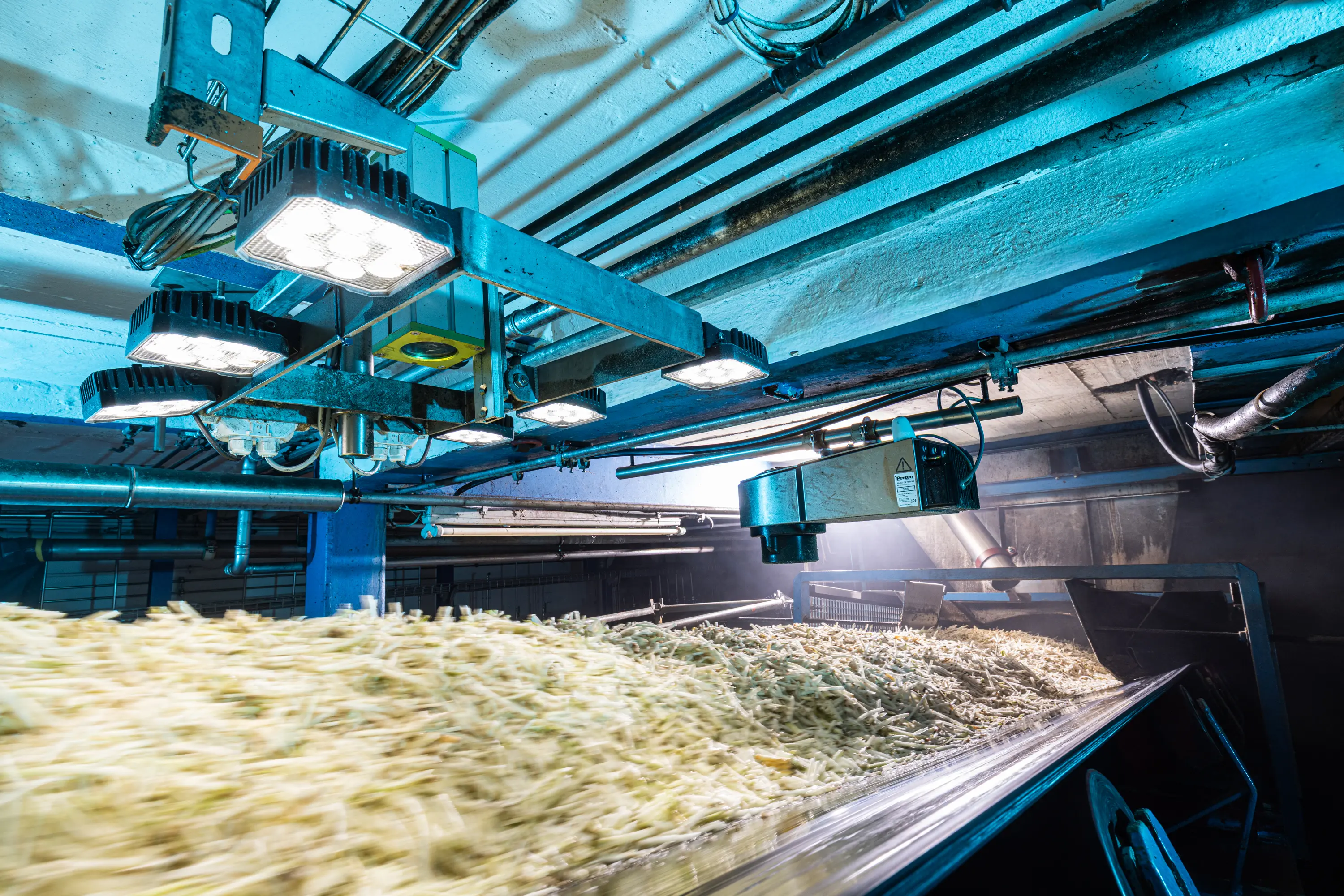
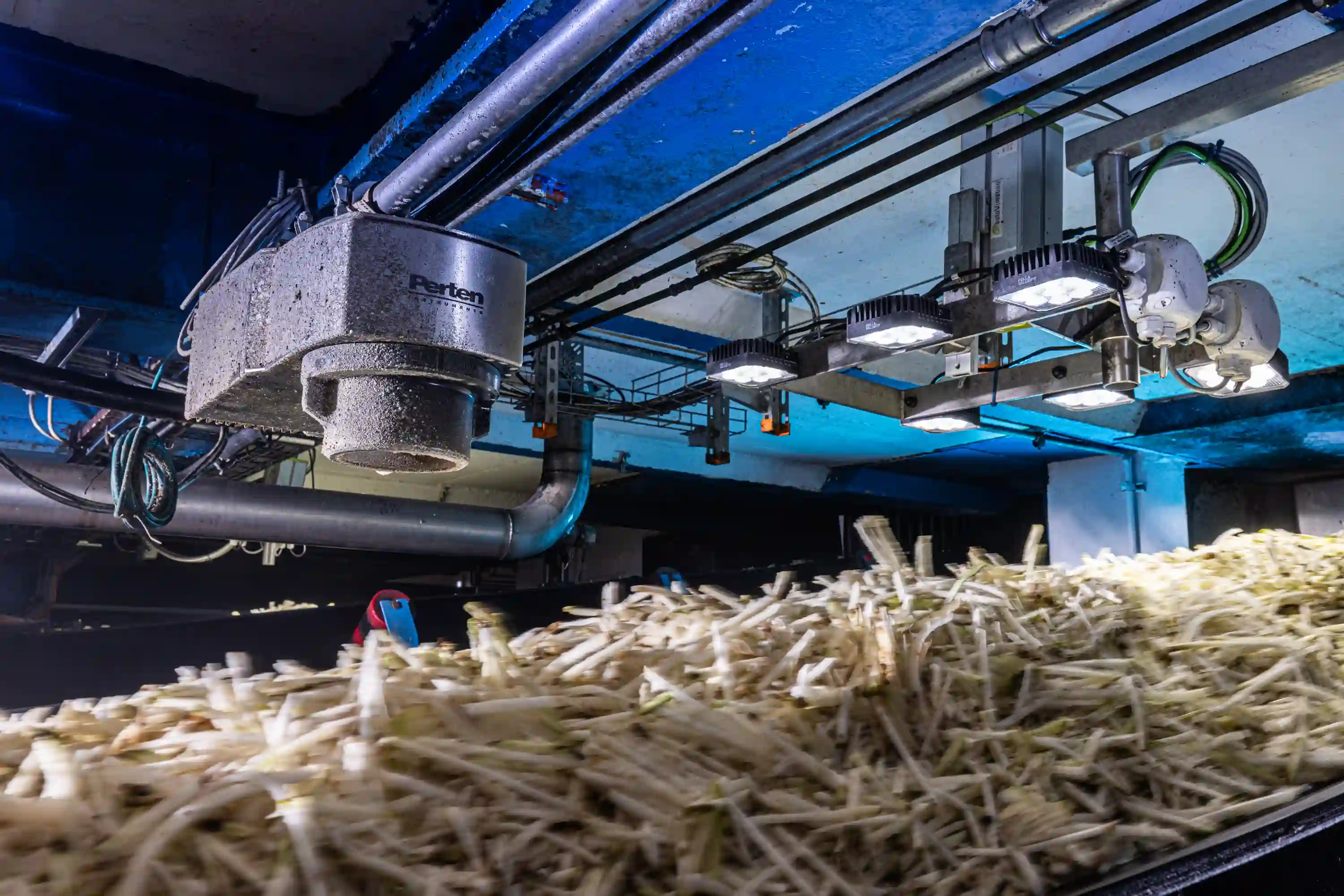
Cossette quality is one of the largest disturbance sources in extraction, yet it is traditionally assessed only through periodic visual checks. The VSS provides continuous, automated analysis of cossette geometry and quality characteristics as they enter the extraction system. This data feeds directly into the MPC, allowing the controller to anticipate the impact of quality changes on downstream behaviour before those changes propagate through the tower.
NIRS: Real-Time Stream Composition for Every Flow
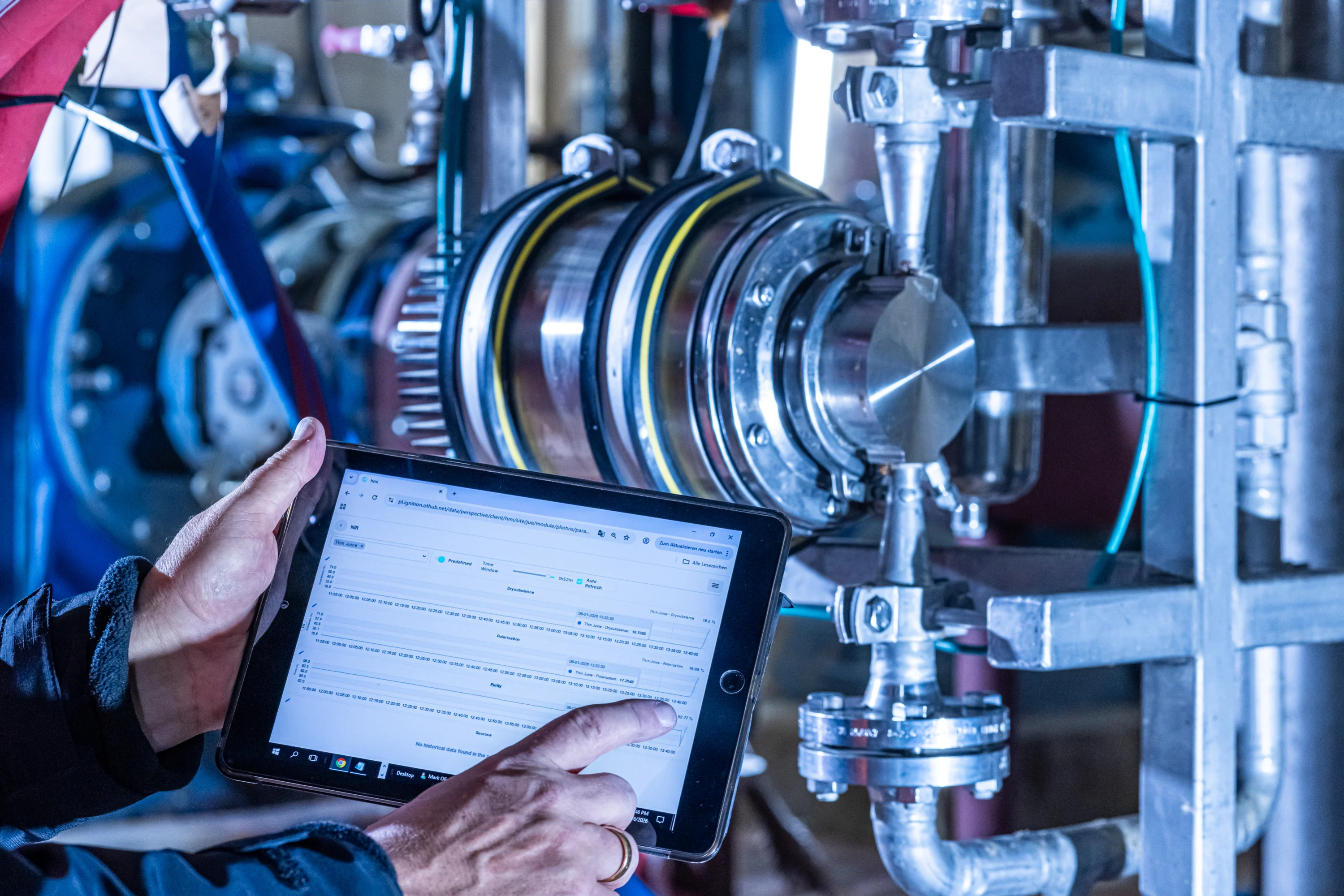
NIRS sensors are deployed across all streams of the extraction process, delivering continuous measurements of dry substance, pol, sucrose, and purity. Where factories once relied on lab results that arrived hours after the fact, NIRS provides the MPC with a live compositional picture of the entire extraction station. This eliminates the feedback delay that has historically made extraction optimisation impractical in real time.
MPC: The Predictive Brain
The Model Predictive Controller sits at the centre of the system, using the continuous data from VSS and NIRS along with standard process measurements (flows, levels, torques, pressures, temperatures) to optimise the extraction station in real time. The MPC is built on a model that combines physical equations with AI-based adaptation, allowing it to fit correctly to different tower architectures and process conditions.
Rather than tracking fixed setpoints, the MPC optimises against weighted KPIs: sugar yield, energy efficiency, and non-sugar extraction, while respecting all operational and engineering constraints.
What Results Has the System Delivered?
The system was deployed and ran continuously for over 60 days during the last campaign. The results were measured, not modelled.
KPI-Driven Optimisation in Action
The real power of the system emerges when the MPC shifts from setpoint tracking to KPI optimisation. The controller can prioritise different goals depending on factory needs:
- Maximise energy efficiency: The MPC improved the energy transfer in the mixer, achieving a 1.5 to 2 °C improvement in cossettes-to-raw juice temperature difference, while maintaining the same temperature setpoint for the cossettes/juice flow going to the tower.
- Maximise sugar yield: The MPC optimised tower packing, reduced speed, increased cossette retention time, and managed pressure difference within bounds, delivering a measurable increase in sugar recovery.
- Minimise non-sugar extraction: By reducing tower packing, increasing speed, and operating at minimum torque, the MPC increased raw juice purity at the calculated trade-off in cossette sugar content.
How Is the System Deployed?
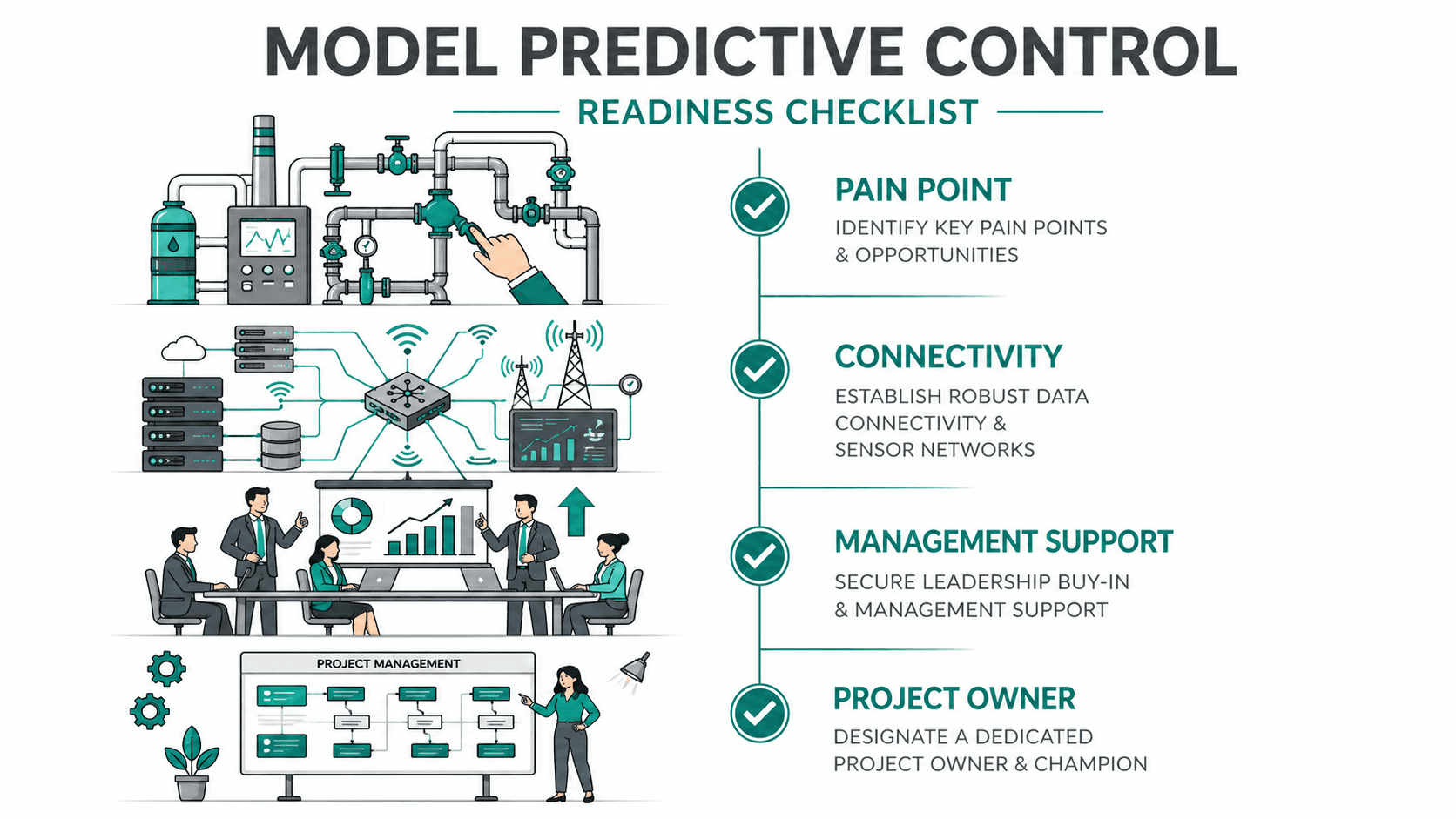
Implementing MPC with smart sensors does not require a factory shutdown or a leap of faith. Deployment follows a proven 3-phase rollout that builds confidence at every step.
Phase 1: Monitoring and Model Validation
VSS and NIRS sensors are installed and integrated with existing DCS infrastructure. The MPC model is built and validated against live process data. Operators see predictions and KPIs on the interactive HMI but retain full manual control. This phase establishes trust in the model and identifies any site-specific tuning needs.
Phase 2: Advisory Control
The MPC begins generating optimised setpoint recommendations. Operators review and approve changes before they are applied to the DCS. The alarming system flags deviations and explains the reasoning behind each recommendation. This phase lets the team validate MPC decisions against their own process knowledge.
Phase 3: Closed-Loop Optimisation
The MPC operates in full closed-loop mode, automatically adjusting manipulated variables to optimise KPIs within operator-defined ranges. The interactive HMI displays past performance, current state, and future predictions. Operators shift from managing individual loops to supervising overall extraction performance, supported by clear status messages and multi-language support.
See It Live at ESST in Lübeck
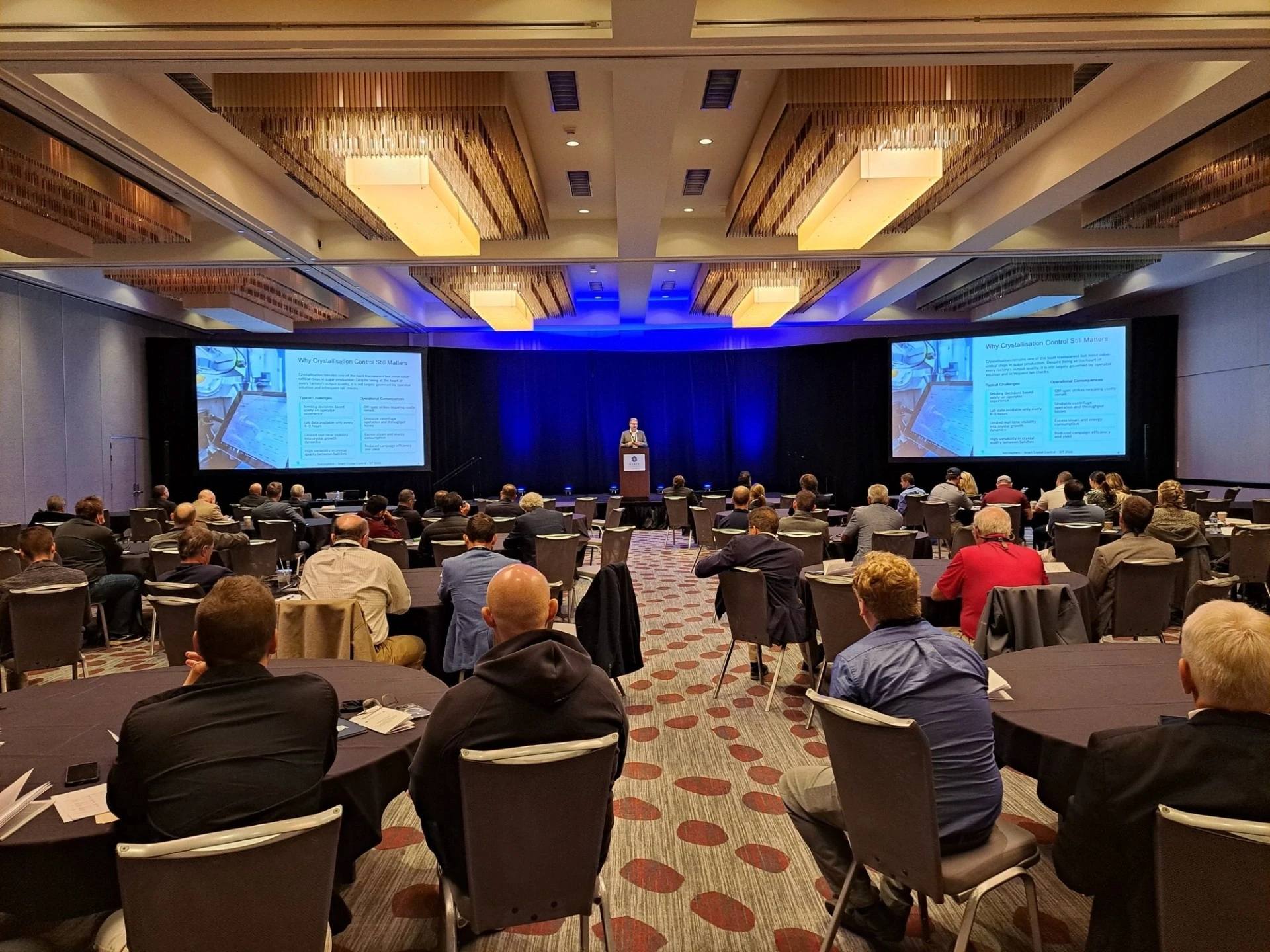
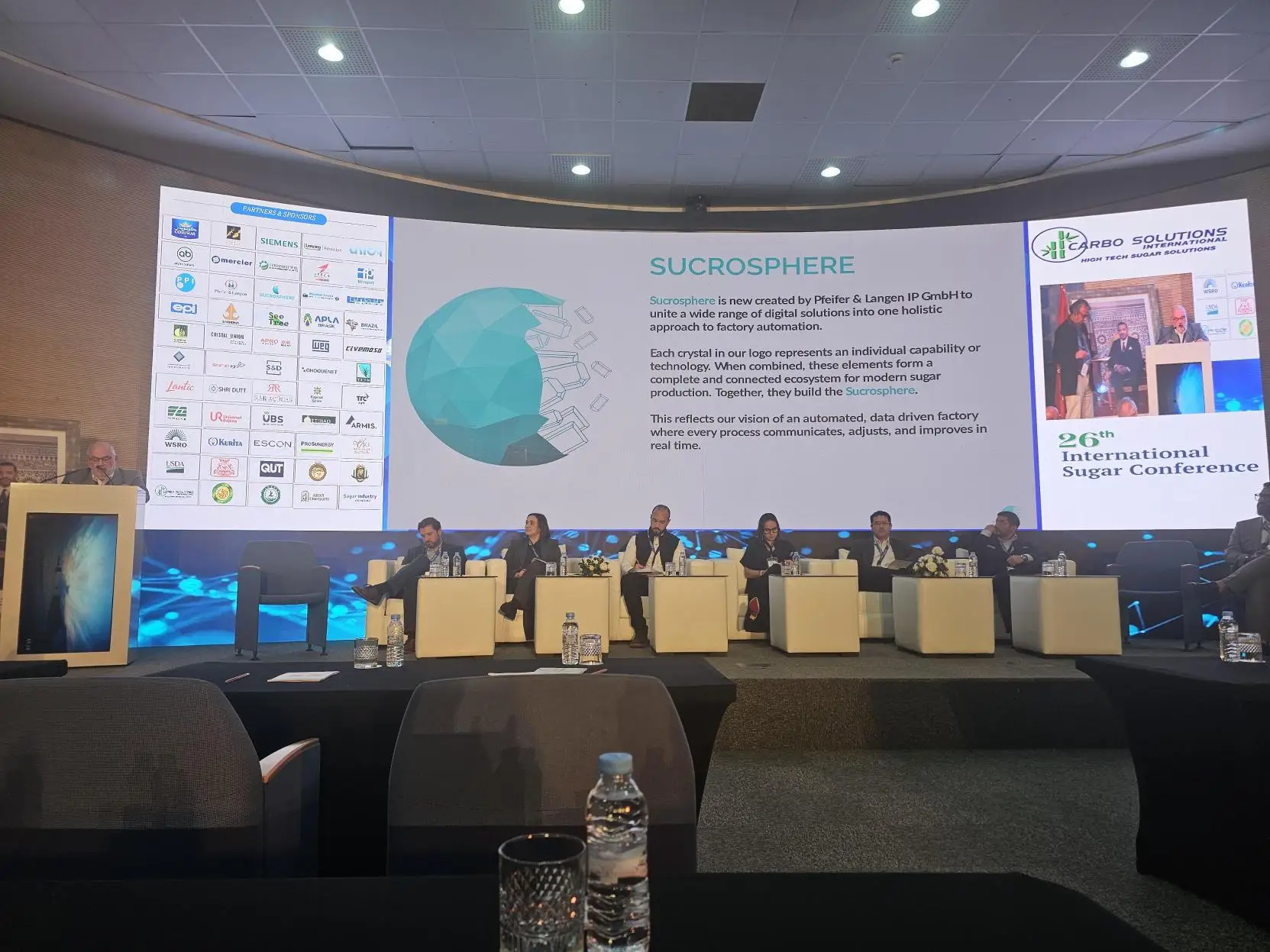
Andrew Youssef and Wolfgang Klosterhalfen are presenting these results at the ESST conference on Monday, 11 May 2026. Come see the data, ask questions, and discuss how smart extraction control can work for your factory.
Presentation: "Model Predictive Control Concepts for the Sugar Industry Using Extraction as an Example."
Not attending ESST? The full material will be available on the Sucrosphere website after the conference: sucrosphere.com/contact.
Frequently Asked Questions
Does the MPC replace the existing DCS?
No. The MPC works as a supervisory layer on top of the existing DCS. All safety interlocks, equipment protections, and base-level controls remain in place. The MPC sends optimised setpoints to the DCS, which continues to handle low-level loop control. Your existing automation investment is preserved.
What happens if a sensor fails or the MPC encounters an unexpected condition?
The system is designed with graceful degradation. If a VSS or NIRS sensor goes offline, the MPC adjusts its model to work with available data and alerts the operator through the HMI. In any unexpected condition, the MPC can be switched to advisory mode or disabled entirely, returning full control to the DCS.
How long does it take to commission the system?
Sensor installation and integration typically occur during a planned maintenance window. Model building and validation run during the first weeks of campaign operation in Phase 1. Most sites transition to closed-loop MPC within the first campaign.
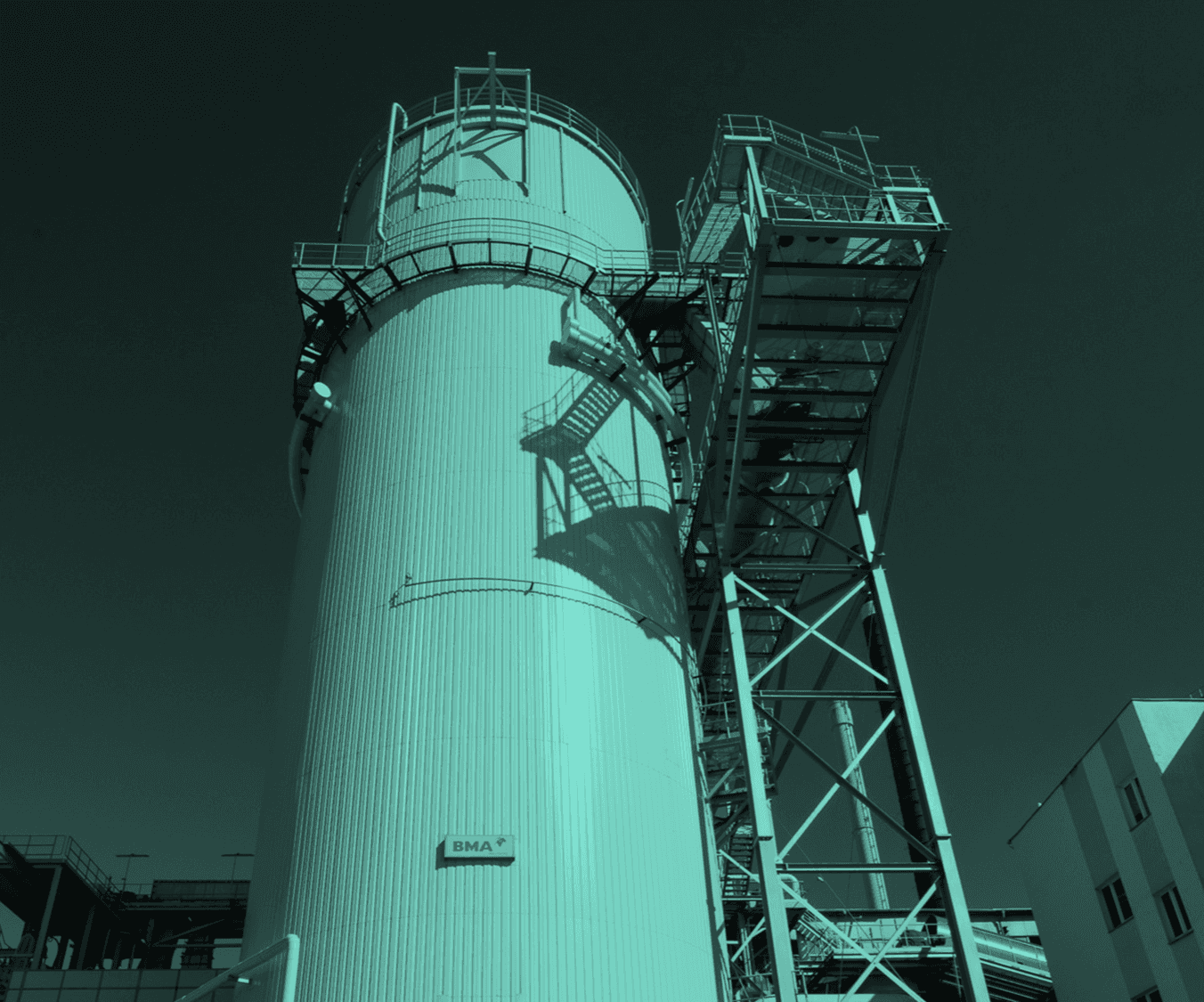
Can the system handle different tower architectures?
Yes. The MPC model is based on physical equations with AI-based adaptation that allows it to fit correctly to different extraction tower designs and process configurations. The approach has been validated across different architectures and is designed to work with each installation's specific characteristics.