COST REDUCTION
Website developed by Piotr Tyrakowski
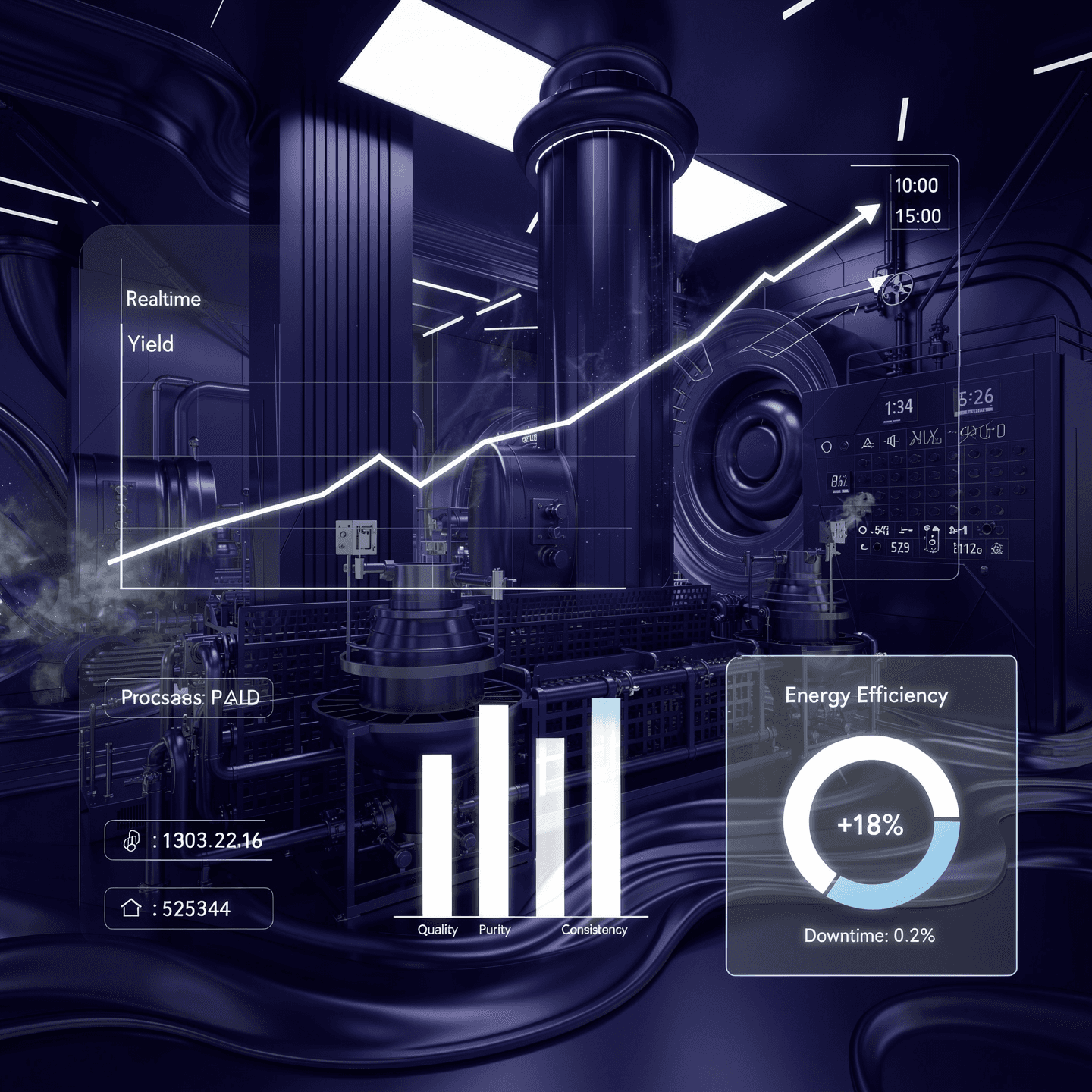
Rising energy prices, volatile sugar markets, and increasing operational complexity are putting pressure on sugar production margins. Most factory managers focus on visible cost drivers like fuel and labor. Five less obvious costs drain hundreds of thousands of euros from annual profits.
Leading sugar producers have reduced costs per campaign by addressing these five areas. Here is what they are and what can be done about them.
Eliminating these costs requires more than knowing the right technologies. It requires calibrated systems, validated models, and implementation experience built across real production campaigns. That context matters when reading the solutions below.
Hidden Cost #1: Laboratory Analysis Time Lag
The Problem
Traditional laboratory analysis takes 30 to 60 minutes per result. During that window, the process runs without quality feedback.
If raw material or extraction parameters change, the problem is not confirmed until it has already affected yield, energy efficiency, or product quality. Beet quality drops due to storage conditions; by the time the lab confirms lower sugar content, several hours of suboptimal cossettes have been processed without, or only minimal operator adjustment by process indicators and empirical data.
Laboratory analyses provide delayed but highly reliable reference values, but the delays push operators toward conservative setpoints. Without confidence in current process state, real-time optimization is not possible, and performance stays below what the process can deliver.
The Solution: Real-Time NIR Spectroscopy
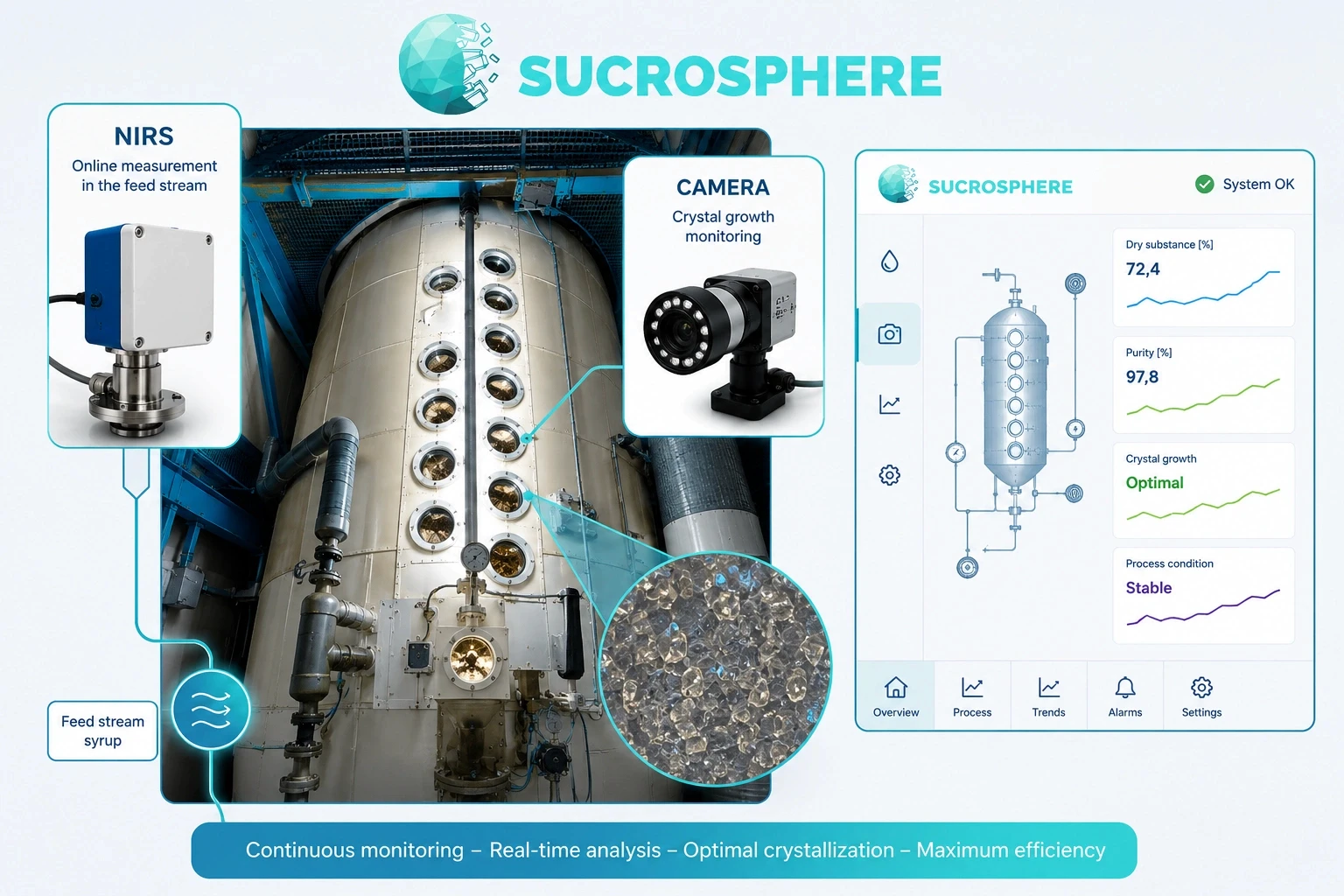
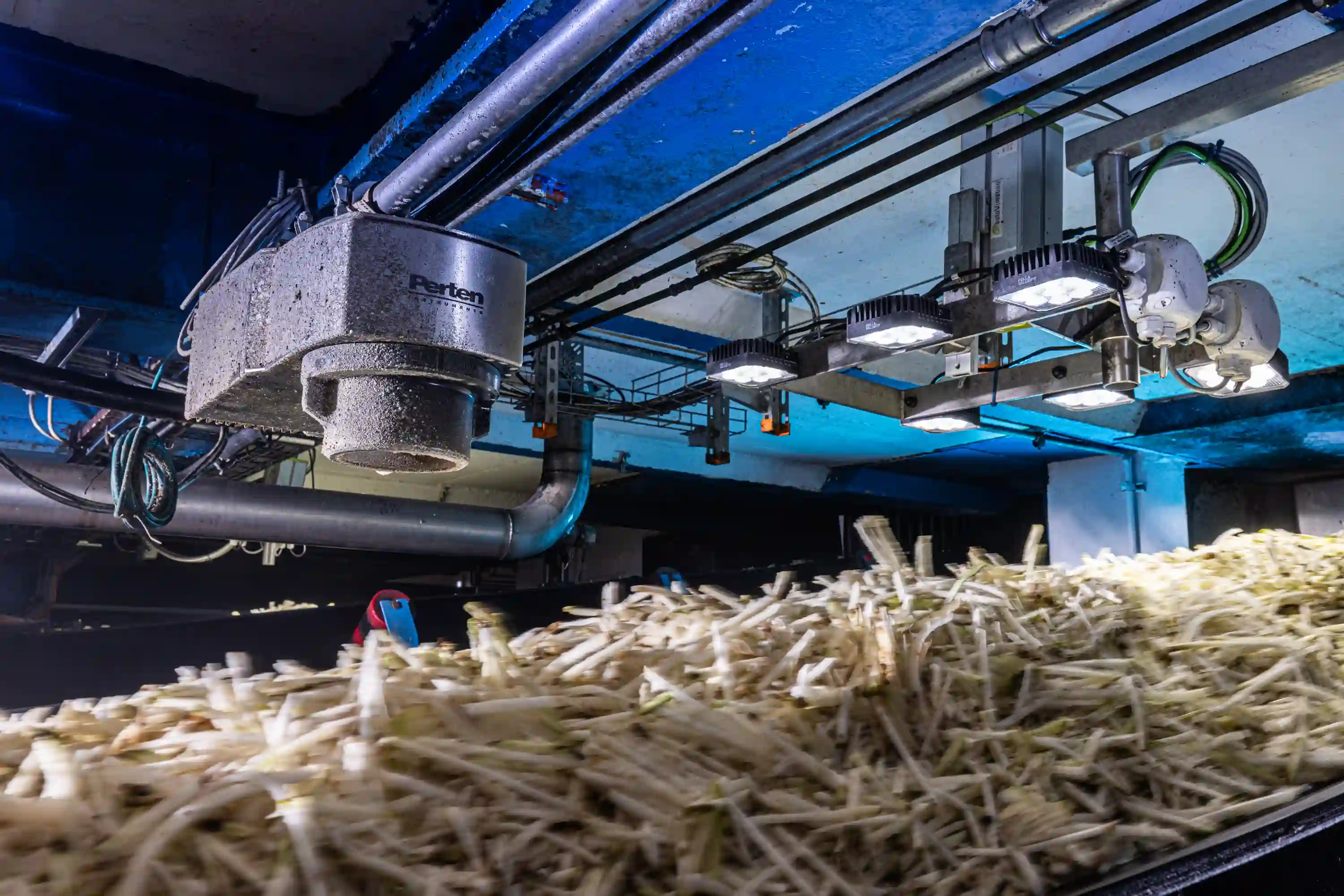
Near-infrared spectroscopy sensors provide continuous quality measurements every few seconds. Accuracy reaches R² values of 0.993 for polarimetric sucrose and 0.982 for HPLC sucrose, matching nearly laboratory analyses, but in real time.
When cossette quality changes, the system detects it immediately and allows extraction parameters to be adjusted before yield losses accumulate. Eliminating just 0.1% of yield loss from delayed detection saves up to €100,000 per campaign in a 10,000-tonne-per-day factory, while also reducing laboratory staffing requirements. With this NIR systems can provide additional transparency, provided that during the operator's safety walks frequently e.g. 2 times a week validation samples are taken.
Hidden Cost #2: Suboptimal Multi-Variable Control (€80,000 to €150,000 Per Campaign)
The Problem
More than fifty variables interact across each stage of the process. More water addition extracts more sugar but dilutes the raw juice, increasing evaporator load. Higher temperature facilitates extraction but also pulls more non-sugars from the pulp, complicating purification.
Finding the optimal balance between extractability and energy consumption is a persistent challenge, even for experienced operators. High apparent extractability is sometimes associated with high energy consumption.
Operator turnover and shift changes compound the problem. Different operators have different approaches and comfort levels with the process, so production rarely stays at its optimal point across a full campaign.
The Solution: Model Predictive Control with Economic Optimization
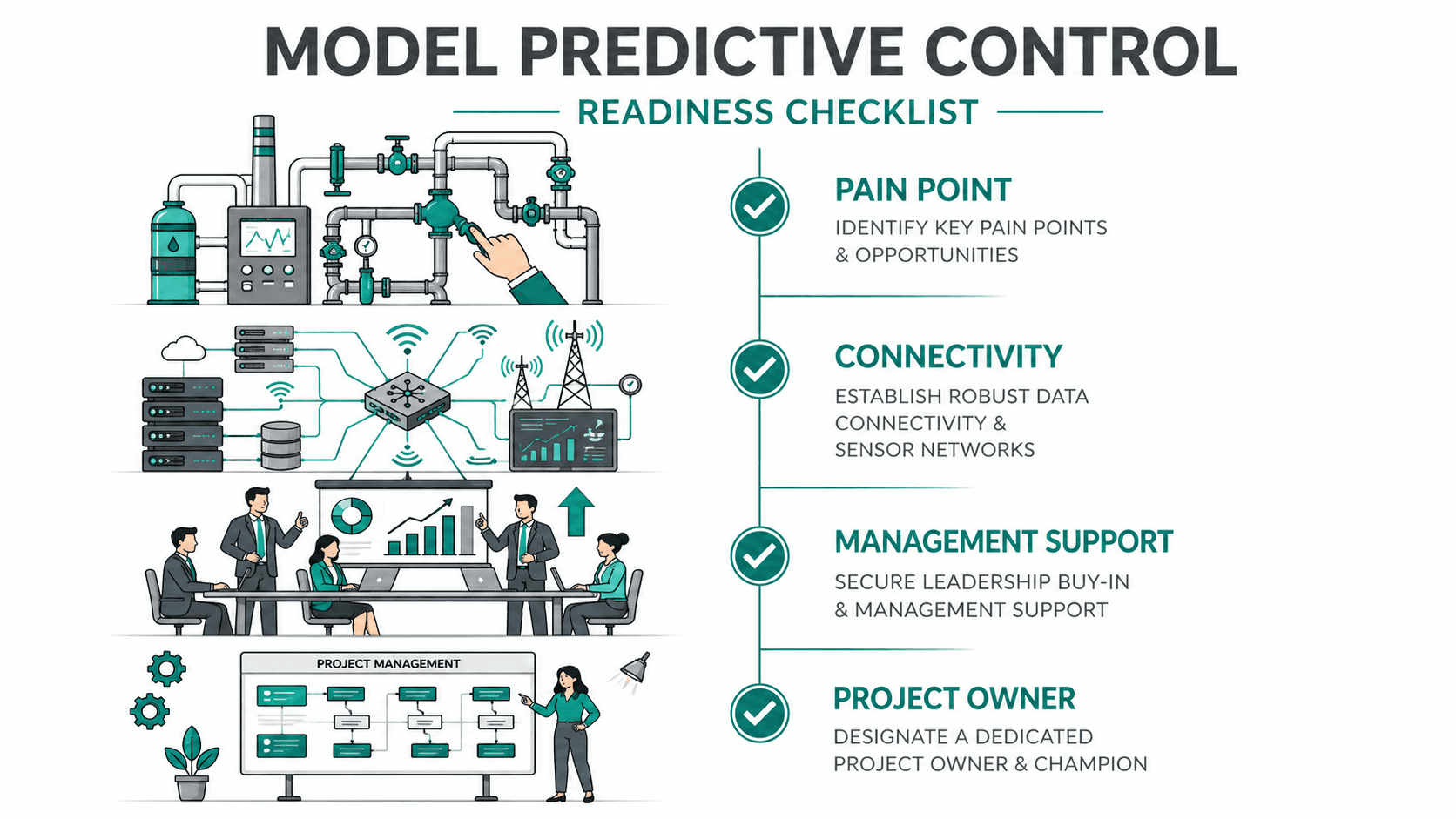
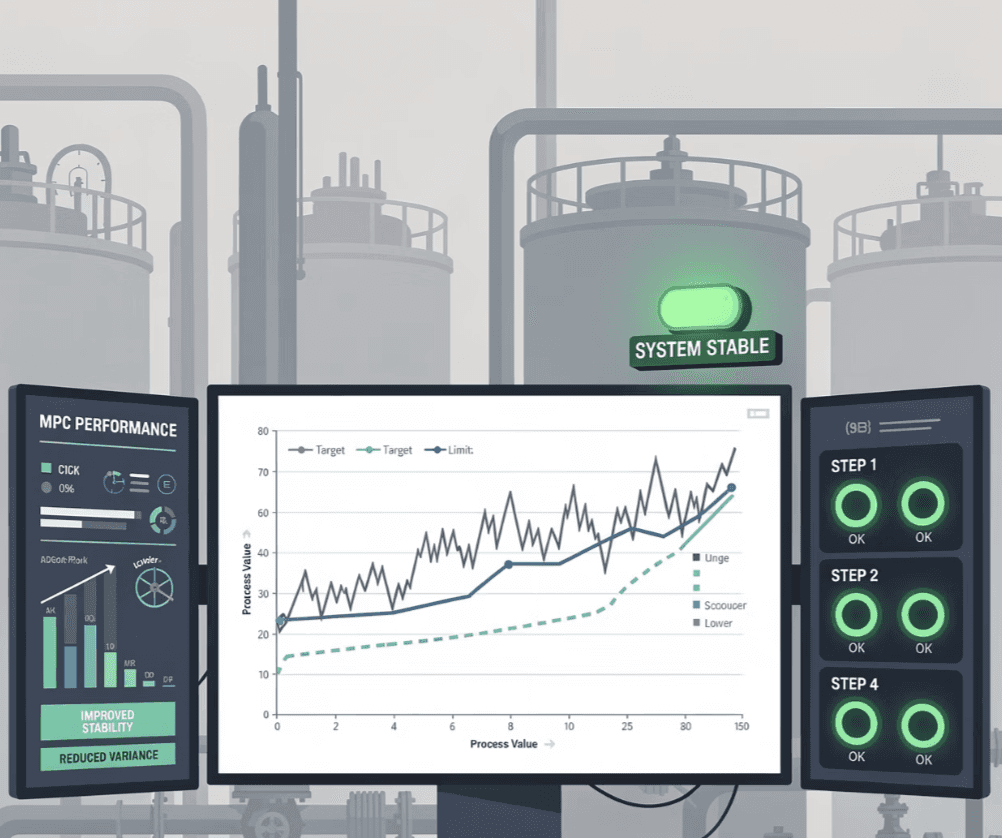
MPC uses a complete dynamic model of process behavior to forecast the effects of changes across all relevant variables and calculate control moves that maximize the economic outcome.
Rather than optimizing a single parameter, MPC takes a system-wide view. It knows your real cost per tonne of beet processed and ensures control actions maximize profit, not just individual metrics. A steam reduction that saves €1 per tonne while losing €2 in yield is not an optimization; MPC calculates this correctly.
Documented results from MPC implementations in sugar factories include extraction yield increases of up to 0.6 percentage points, energy efficiency improvements of up to 0.2 percentage points, and annual cost savings exceeding €150,000 per campaign.
These results are not automatic. MPC performance depends on the quality of the dynamic models underneath it. Building models that accurately reflect real process behavior takes time and multi-campaign data. The payback period shortens considerably when the implementation partner brings validated models from comparable factories. Models from comparable plants can reduce implementation effort, but must be individually validated and adapted in each plant by our experts.
Hidden Cost #3: Process Variability and Quality Instability (€60,000 to €100,000 Per Campaign)
The Problem
Process variability creates cascading costs. Juice brix swings of 2 to 3% push evaporators off-center. Purity changes require more lime for juice purification and generate excess sludge. Large crystal size distribution spreads cause centrifuge inefficiency and sugar loss to molasses.
These symptoms appear in different departments and are rarely traced to a common cause. Evaporator operators attribute them to beet quality. juice purification operators attribute them to extraction. The underlying cause is process variability from inconsistent control.
Quality instability forces conservative setpoints throughout the process. Wide safety margins are required to keep worst-case variation within spec, which means the process runs below its capable optimum.
The Solution: Automated Stabilization Through Continuous Control
Advanced process control minimizes variability by detecting disturbances early through real-time sensors and applying MPC corrections before quality shifts develop. The downstream effects are concrete: evaporators run in steady-state, purification chemistry stays within optimal reagent consumption ranges, and crystallizers deliver a crystal size distribution that centrifuges can handle efficiently.
Tighter process control also allows setpoints to be moved closer to the process optimum. When quality is known to be within spec, there is less need for the safety margin that variability forces on the process.
Hidden Cost #4: Reactive Maintenance and Unplanned Downtime (€40,000 to €70,000 Per Campaign)
The Problem
Unplanned equipment failures during a campaign are costly and the production time is not recoverable. A four-hour diffuser shutdown from pump failure at a 10,000-tonne-per-day plant represents a production loss of approximately €15,000, plus repair and overtime costs.
Time-based or failure-based maintenance does not provide an optimal balance between reliability and cost. Maintenance can be overdone, consuming manpower and spare parts unnecessarily, or underdone, resulting in failure at the worst possible time.
The Solution: Predictive Analytics and Condition Monitoring
IoT platforms collecting continuous sensor data can identify developing issues before failure occurs. Vibration analysis detects bearing wear. Temperature trends indicate insulation degradation. Flow rate trends identify pump efficiency loss.
Predictive maintenance enables repairs to be scheduled during planned shutdowns rather than emergency stoppages during production. Benefits include reduced unplanned downtime, improved maintenance productivity, parts procurement in advance at better cost, and extended equipment lifespan through appropriate maintenance timing.
Advanced analytics can prioritize maintenance activity by financial impact, focusing resources on highest-criticality assets where failure carries the greatest cost.
Hidden Cost #5: Suboptimal Energy Management (€50,000 to €100,000 Per Campaign)
The Problem
Energy is one of the highest variable costs in sugar production. Most factories know their total energy bills but lack visibility into which operating decisions drive excess consumption.
Extraction processes carry significant energy optimization potential. Water addition directly affects evaporator load. Higher temperatures require more steam. Longer residence time in inefficient extraction increases energy consumption throughout.
Energy consumption tends to creep upward as operating points drift without corrective feedback. Without routine monitoring, inefficiency becomes the baseline, representing a loss of €50,000 to €100,000 per year.
The Solution: Integrated Energy Optimization in Process Control
Modern MPC systems include energy costs in the economic objective function. The controller knows current steam and electricity prices and accounts for energy consumption in every control decision alongside yield and quality. The optimization always reflects the true trade-off between energy and yield, not a proxy metric.
Efficiency improvements through optimized process controll are possible, but in many existing plants they tend to be in the low single-digit percentage range without additional investment.
We have seen that a rise of energy efficiency up to 8% are achievable through adjustments to process control parameters, without capital investment. For a normal campaign, this represents €100,000 or more in annual savings.
Total Hidden Costs: Up to €500,000 Per Campaign
Across these five areas, an average sugar factory loses €300,000 to €520,000 per campaign:
• Laboratory time lag: €50,000 to €80,000
• Suboptimal multi-variable control: €80,000 to €150,000
• Process variability: €60,000 to €100,000
• Reactive maintenance: €40,000 to €70,000
• Suboptimal energy management: €70,000 to €120,000
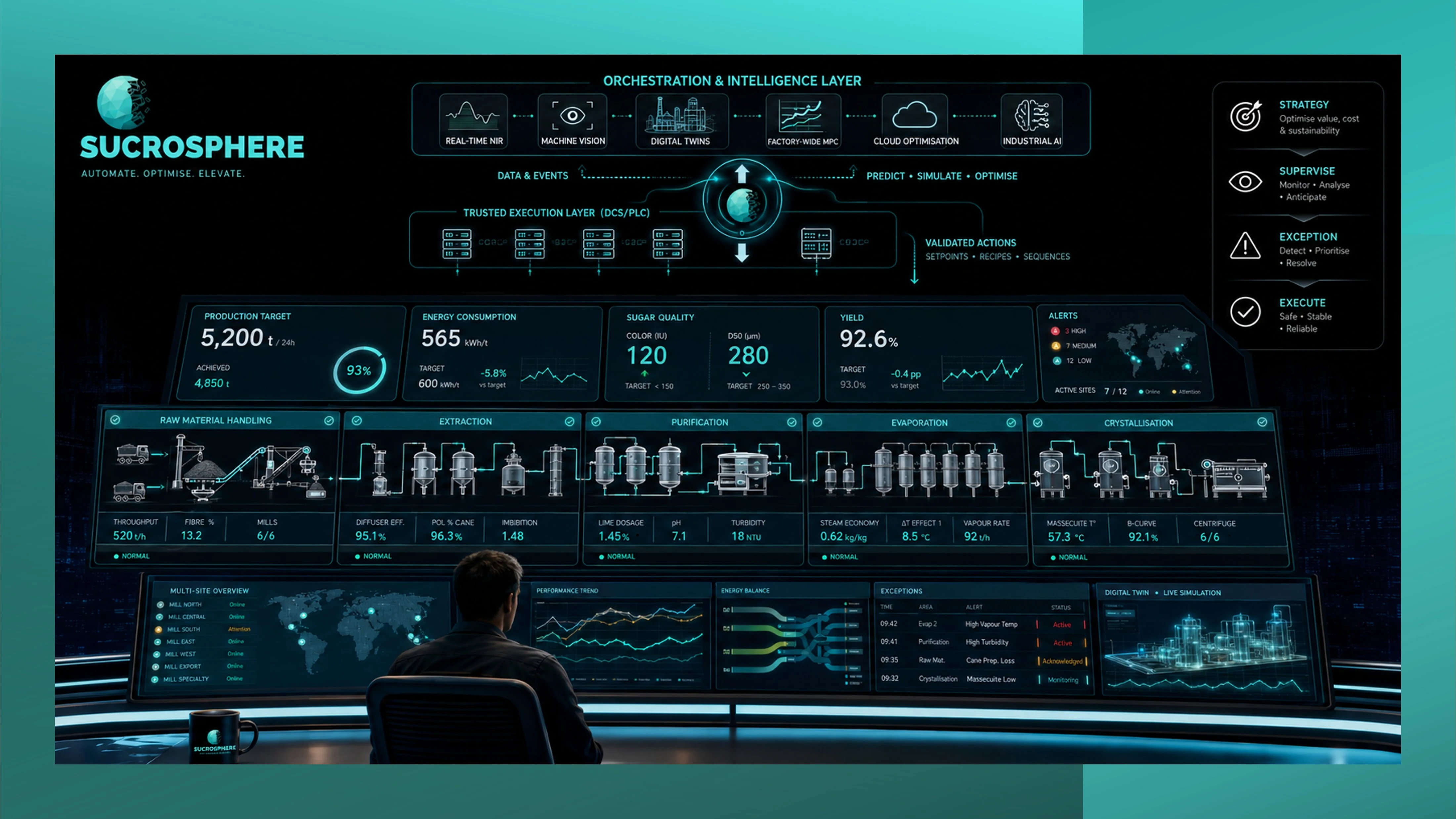
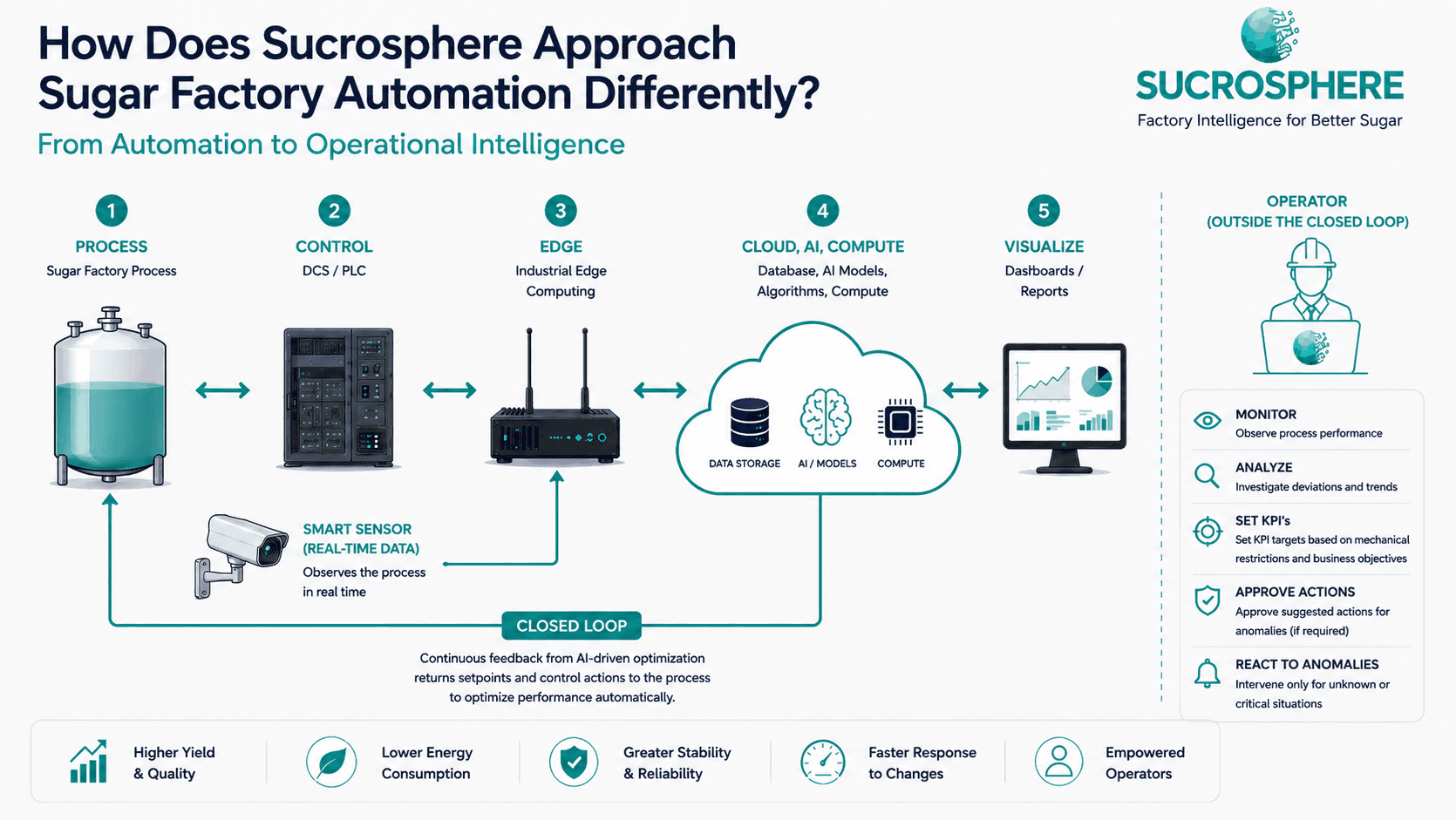
Real-time NIRS sensors, Model Predictive Control, and integrated IoT platforms address all five cost drivers. The technologies are proven. The complexity lies in implementation.
How to Eliminate These Hidden Costs in Your Factory
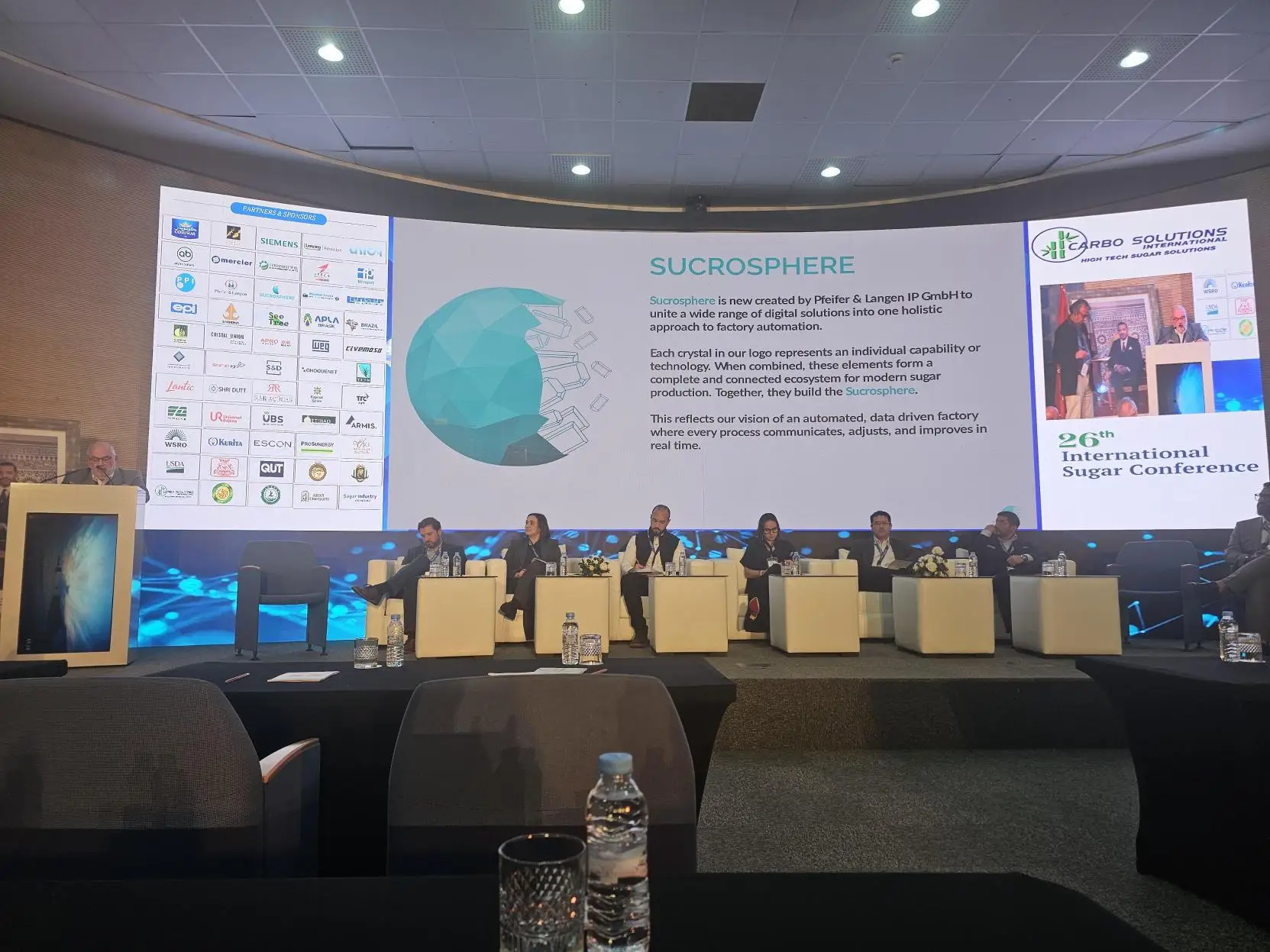
A structured implementation reduces risk and accelerates payback. The phases below reflect how Sucrosphere approaches optimization projects, drawing on implementation experience across multiple European sugar factories.
Phase 1: Assessment and Baseline (4 to 6 weeks before campaign). Establish current performance across yield, quality, energy consumption, and maintenance costs. Identify improvement opportunities and quantify potential ROI. Develop a staged implementation roadmap.
Phase 2: Sensor Installation and Data Infrastructure (4 to 6 weeks). Install NIRS sensors at key measurement points. Build IoT data collection infrastructure and integrate with existing DCS systems. Begin calibration model development using process-representative samples.
Phase 3: Model Development and Validation (8 to 12 weeks). Validate dynamic process models against operating data. Develop and configure the economic objective function using current energy and sugar prices. Simulate and evaluate MPC performance before deployment to process control systems.
Phase 4: Advisory Mode Operation (2 to 4 weeks). Run MPC in advisory mode, providing operator suggestions while full control remains with the operator. Use this phase to validate model accuracy under real conditions and build operator confidence.
Phase 5: Automated Control and Optimization (end of campaign and ongoing). Transition to fully automated control with operator monitoring. Continuously review and refine the optimization strategy. Expand scope to additional process areas as savings are validated.
Standard projects run 6 to 9 months from initial assessment to first automated mode. Success depends also on the involvement and training of operating personnel. Without operator acceptance, the system will not be used in the long term, even when they are very competitive.
Customers begin seeing returns during advisory mode, before full automation is complete.
Conclusion
These five cost drivers are real, measurable, and addressable. Each one removes hundreds of thousands of euros per campaign from factories that have not yet addressed them.
Leading sugar producers have addressed these costs through real-time process measurement, Model Predictive Control, and advanced process optimization. Campaign cost reductions of €200,000 to €400,000 are achievable, with payback within one to two years.
The technologies are validated across multiple European factory implementations. The question for most producers is not whether the approach works, but how to implement it effectively given the complexity of building reliable models under real production conditions.
Ready to optimize your sugar production process?
Contact Sucrosphere to learn how our proven NIRS and MPC solutions can increase your extraction yield and reduce costs. Visit sucrosphere.com or request a demo today.