Most factories are closer to MPC readiness than they think. Here is how to tell.
Why Readiness Matters Before Deploying Advanced Control
Timing. In most sugar factories, automation does not fail because the technology is wrong. It fails because the timing is wrong.
Model Predictive Control (MPC) does not show up as a miracle layer that suddenly fixes inefficiencies. It builds on what is already in place: the data, the operators, the control philosophy, and the connectivity. If those foundations are unclear or unstable, even the best algorithms will quietly underperform.
At the same time, a fully digitalised plant is not a prerequisite. In reality, the conditions to start are often almost in place. They are just not recognised as such.
What matters most is not perfection. It is the willingness to move in this direction. The mindset to digitalise the factory is the real prerequisite. Installations take time and some hardware may have long lead times, but if the priority is clear and the key elements are in place, the project can start and deliver value quickly.
The 10-Point Readiness Checklist
1. You have OPC-UA connectivity available, or a clear path to it
Systems do not need to be new, but they do need to be accessible. Even partial connectivity is often enough to begin, especially when starting with a single process area.
2. You have a process engineer who understands your DCS
Not a data scientist. Not an external consultant. Someone who knows how the plant really behaves when conditions drift, raw material changes, or operators intervene. That knowledge is the bridge between the model and reality.
3. You have identified at least 1 process stage you want or need to improve
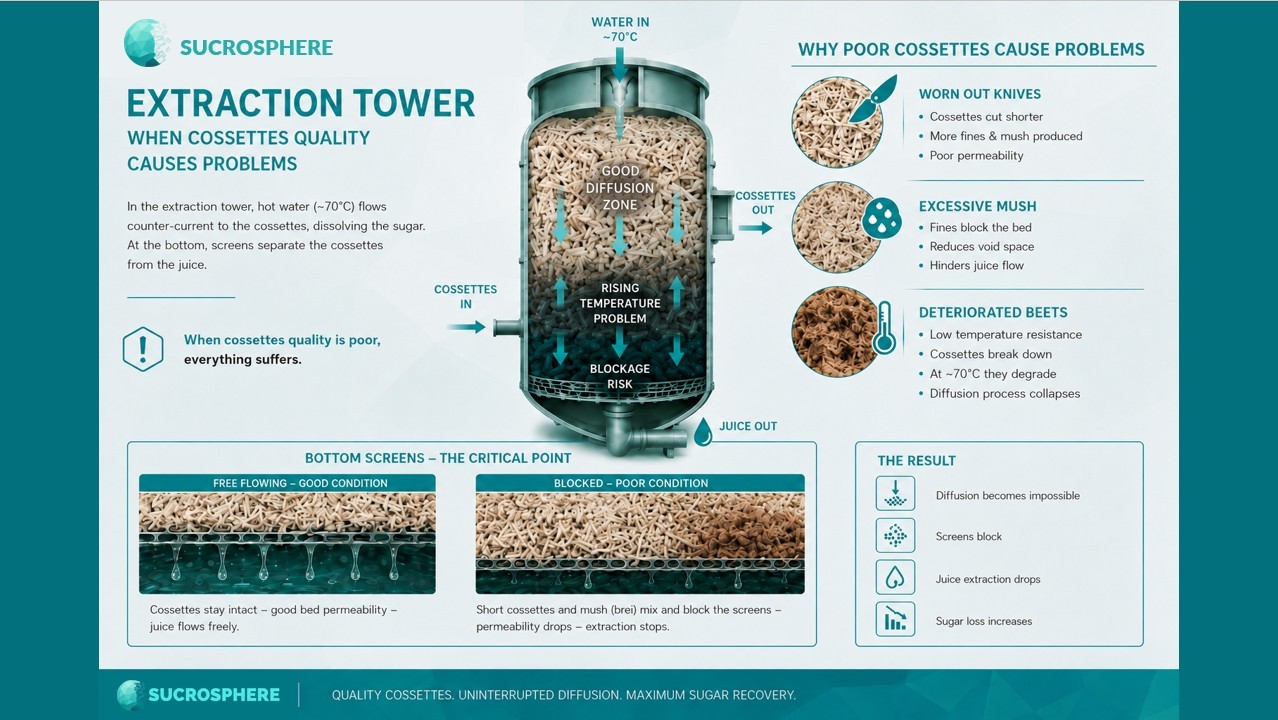
Extraction, crystallisation, purification: there is usually a stage where performance fluctuates more than it should. Not dramatically, but consistently enough to cost yield, energy, or time.
4. Your lab turnaround time is a daily bottleneck
If decisions are still based on values that are hours old, the operation is already running in a delayed feedback loop. MPC does not just automate: it shortens the distance between cause and correction.
5. You have management buy-in for a 1 to 2 campaign trial
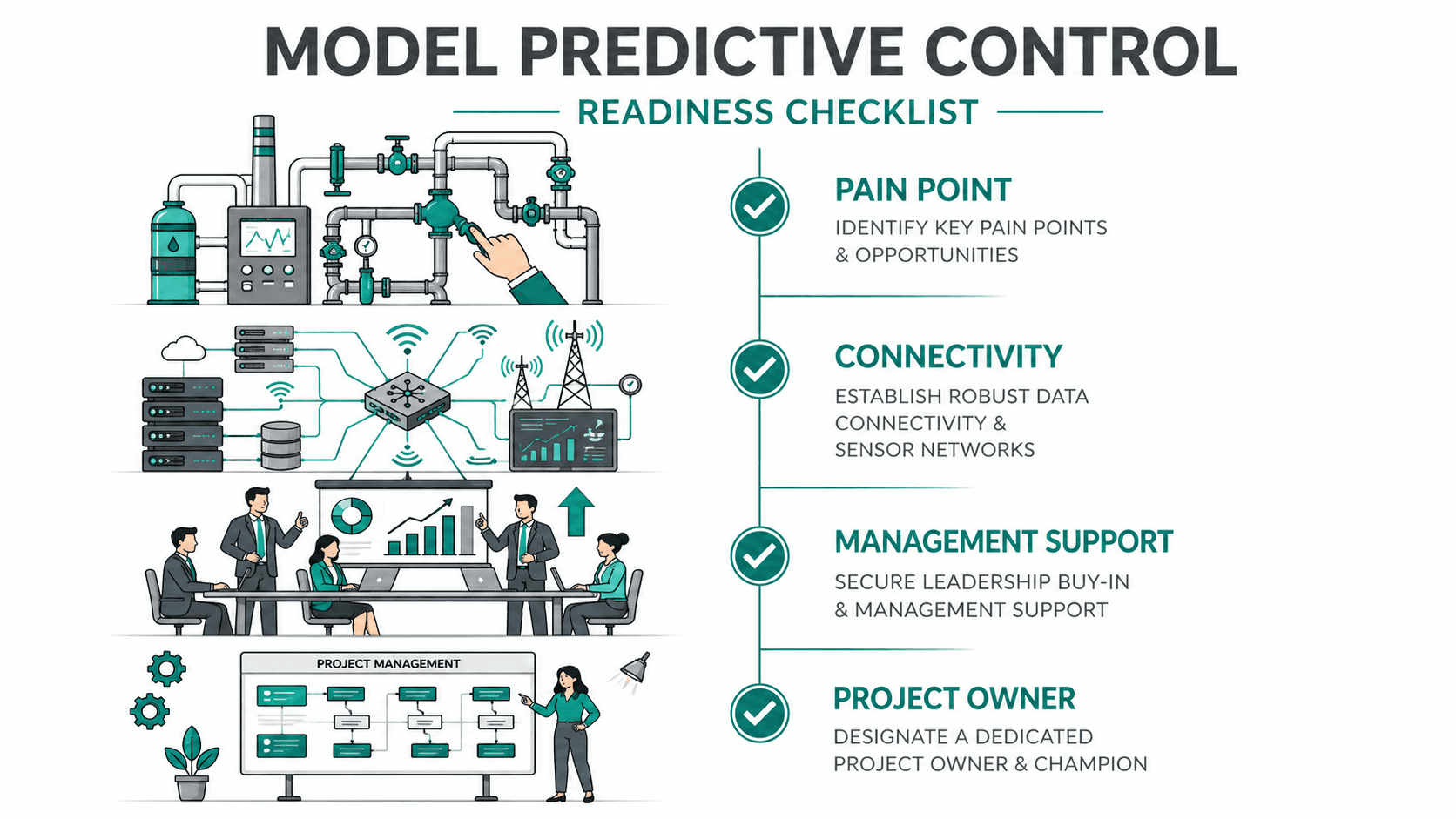
A pilot needs a budget to install devices and connect systems, but even more important is a dedicated project owner with the time and motivation to support the implementation. The goal is simple: enough commitment to test, observe, and learn under real conditions.
6. You can dedicate operators to a 2 to 4 week advisory phase
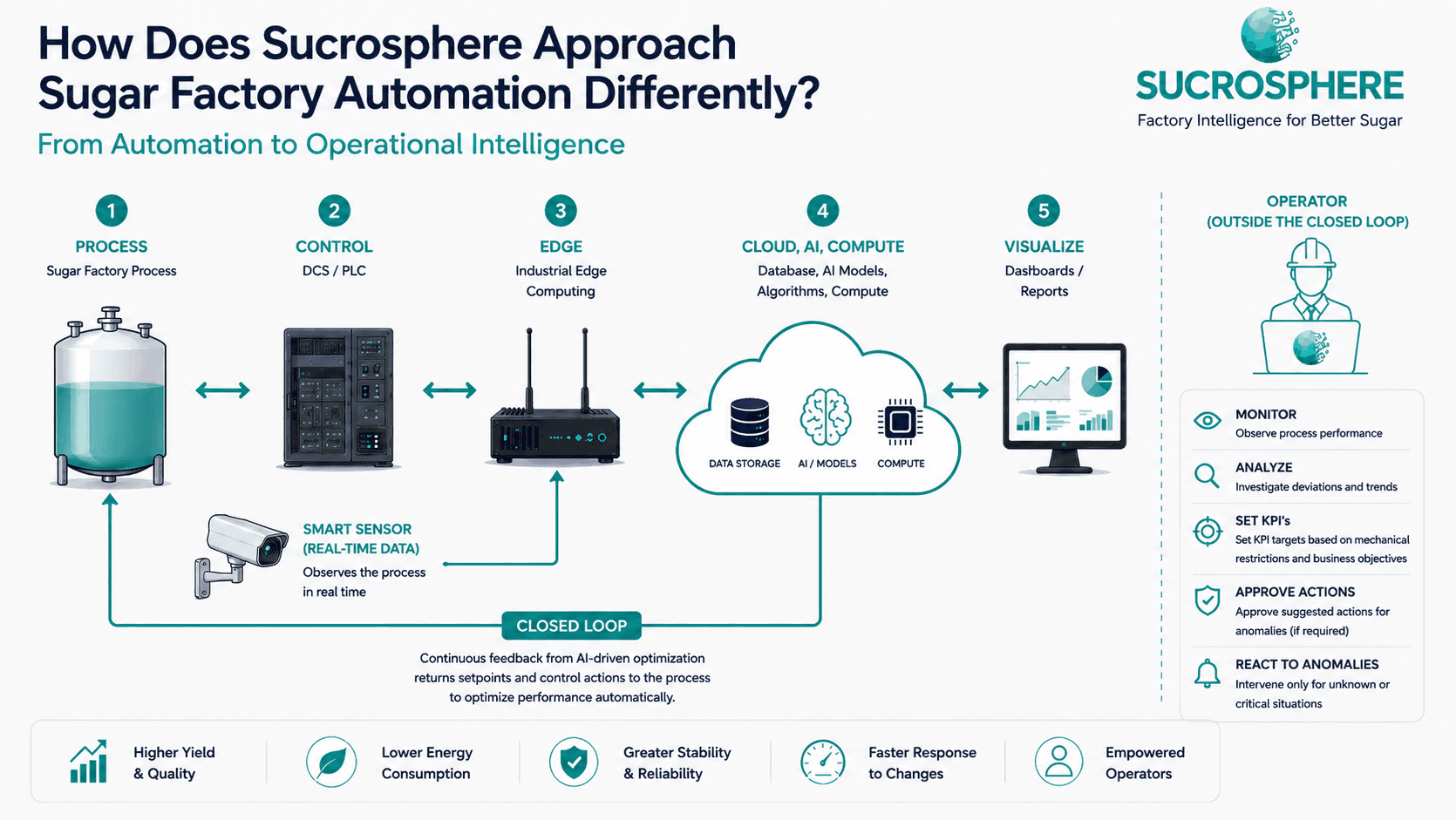
This is not about replacing operators. It is about building trust. In advisory mode, the system suggests actions while operators remain in control. No production risk, just visibility.
7. You have historical process data available for model validation
It does not need to be perfect. A few weeks (up to a full campaign) of data will already reveal patterns that can be modelled, tested, and improved, reducing implementation time.
8. You face consistent pressure on energy costs per campaign
Steam consumption rarely spikes: it drifts. Small inefficiencies accumulate over weeks. MPC works exactly in that space, stabilising what would otherwise slowly erode margin.
9. You can define KPIs such as yield, steam consumption, or product quality
If improvement cannot be measured, it cannot be trusted. KPIs do not need to be sophisticated. They need to be shared and understood across teams.
10. You have had at least 1 campaign where variability caused measurable losses
A season where things did not fully stabilise, and performance depended too much on experience and timing. That is often the strongest signal that the process is ready for support.
Do You Need to Tick All 10 Boxes?
No. And most factories do not.
What matters most is a clear pain point, basic connectivity, and the right mindset. The rest is largely a matter of time, and value starts coming in early.
Test implementations typically start with a narrower scope:
- A single process step instead of the full plant.
- Sensor-based insights before closed-loop control.
- Advisory mode before automation takes over.
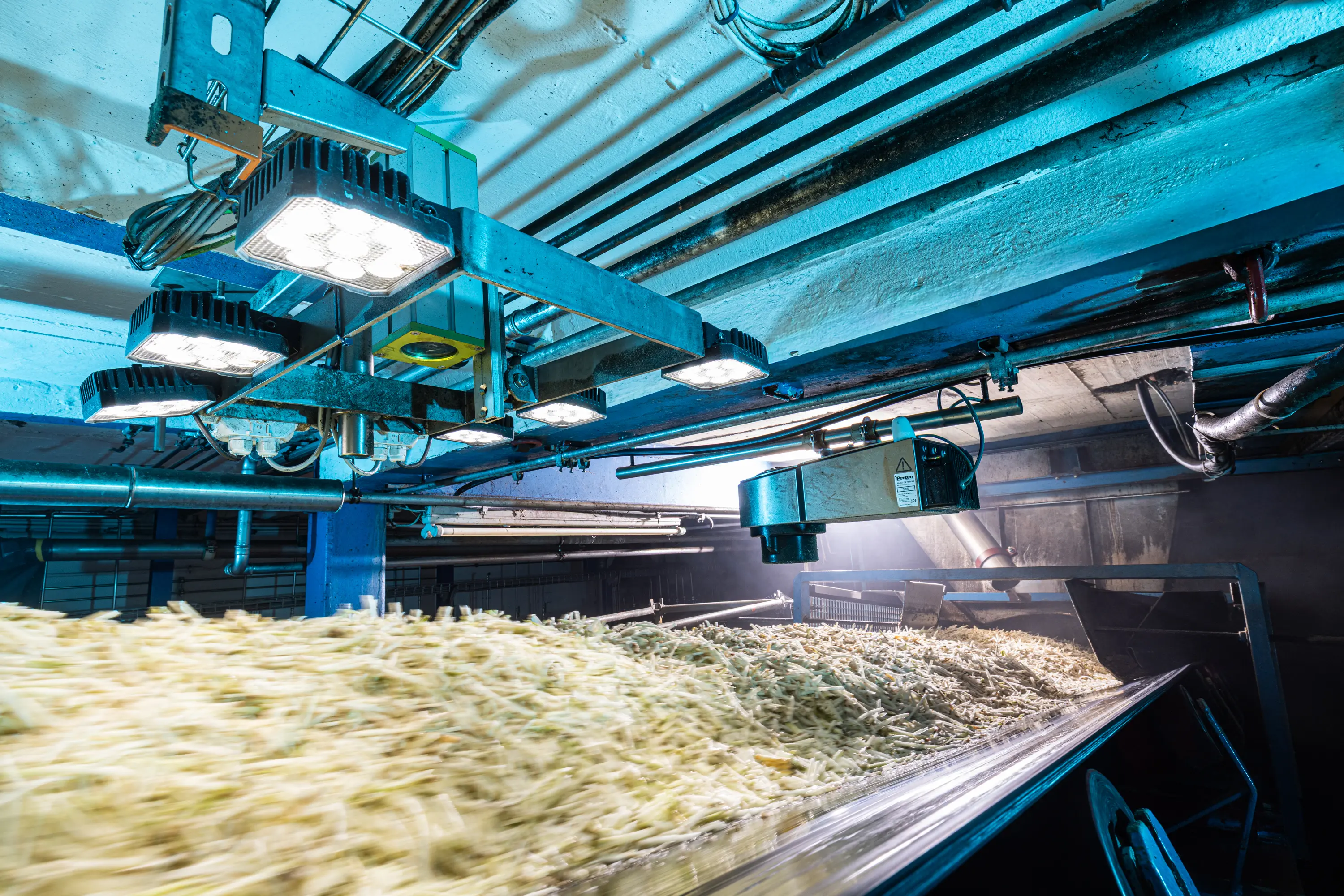
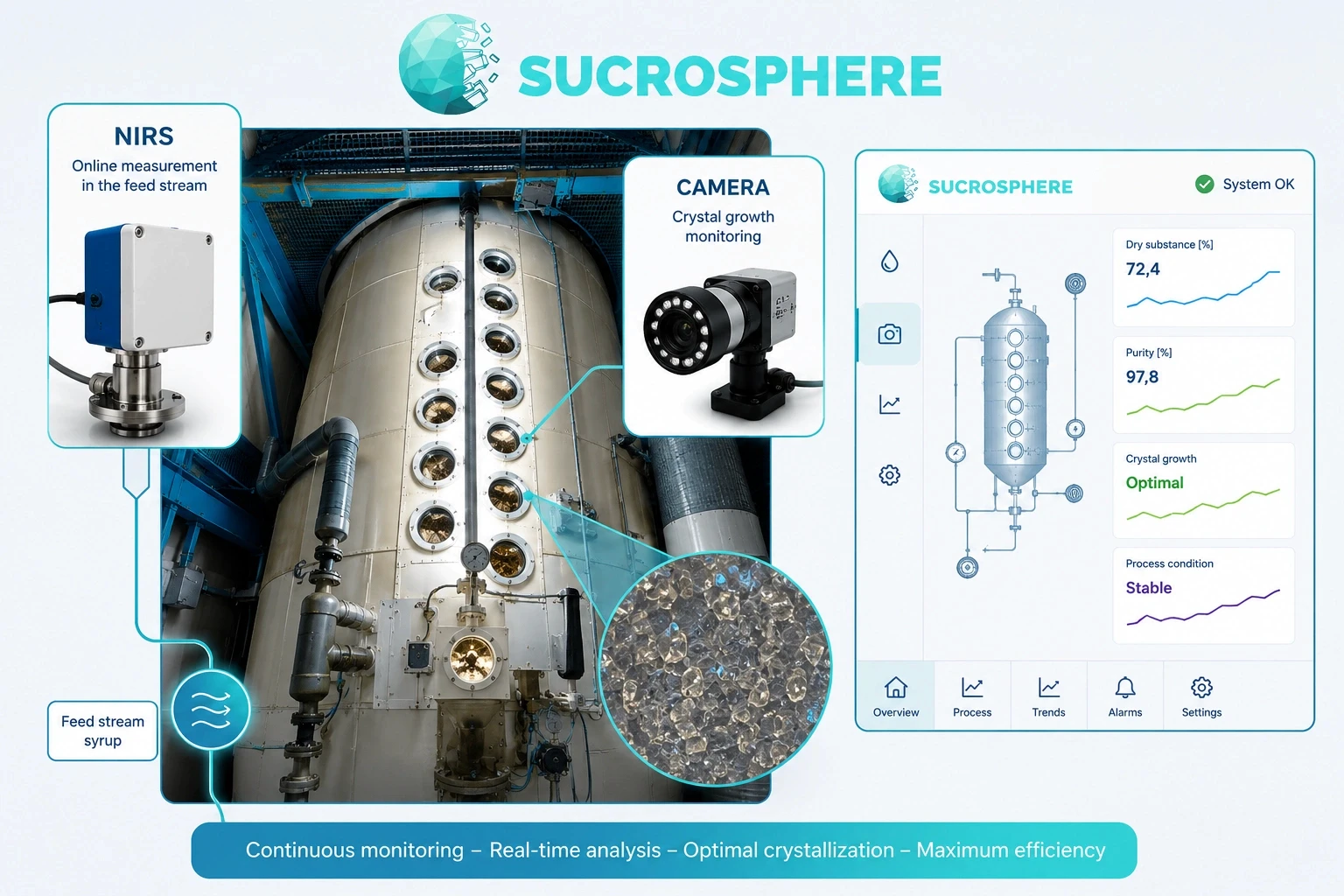
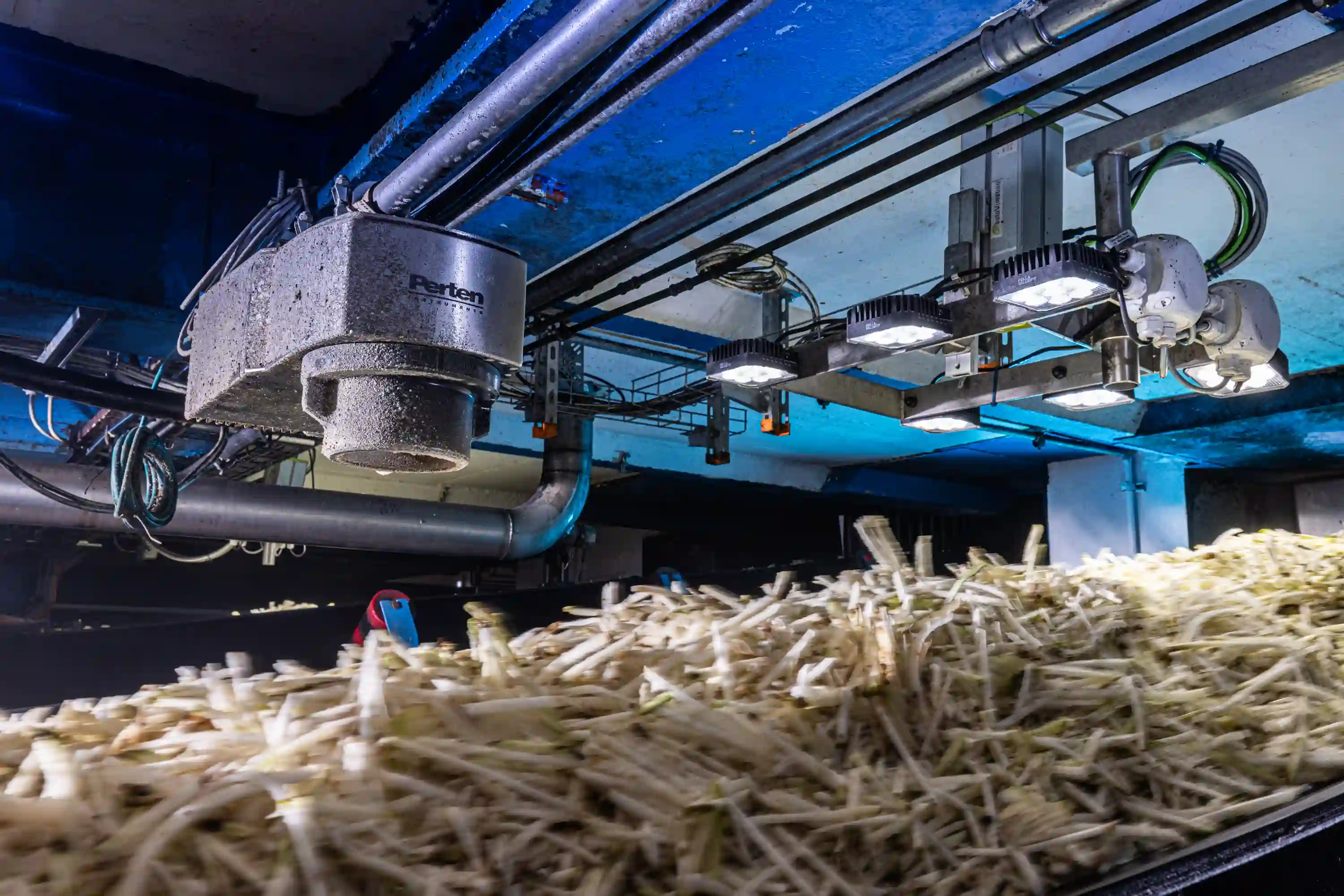
In some cases, adding targeted sensor systems such as NIR or visual monitoring already creates the extra data foundation needed for the next step.
A fully digital factory is not required. A starting point that delivers value early is.
What Does the Next Step Look Like?
The typical process is more straightforward than most expect.
It starts with a focused discussion on 1 process area where variability, energy use, or instability is already visible. No generic pitch, just the factory's reality.
From there, existing data is reviewed: not to judge its quality, but to understand the structure. What is already automated, what is measured online and in the lab, and what would be needed as real-time information to apply MPC.
If there is a fit, a pilot scope is defined with clear boundaries, clear KPIs, and a clear timeline. Once DCS interfaces and any required sensors are installed and connected, the learning and adaptation phase begins.
MPC is then introduced to operators in advisory mode. The model learns, adapts, and proves its value under real conditions. Only once confidence is built does closed-loop control become an option.
At every stage, the decision to continue remains the factory's.
Ready to Find Out Where You Stand?
The checklist is a starting point. The next step is a conversation about 1 specific process area and what it would take to improve it.
Frequently Asked Questions
Will MPC work with older DCS systems?
In many cases, yes. The key requirement is access to process data (read and write), often achievable via OPC-UA, Modbus, or similar interfaces.
Is perfect data quality required before starting?
No. Models are designed to handle imperfect data. Consistency matters more than perfection.
How long does it take until operators trust the system?
Trust comes from observation, not explanation. Advisory phases are designed exactly for this: to show value without removing control. Management motivation and openness to operator feedback also plays a significant role.
Will MPC replace operator experience?
It builds on it. MPC captures patterns and relationships, but operator insight remains essential, especially in changing or unexpected conditions.
What kind of results can be expected?
Typical improvements are not dramatic in a single moment, but significant over time: stabilised processes, reduced variability, lower energy consumption, and measurable gains in yield.