OPTIMIZATION
Website developed by Piotr Tyrakowski
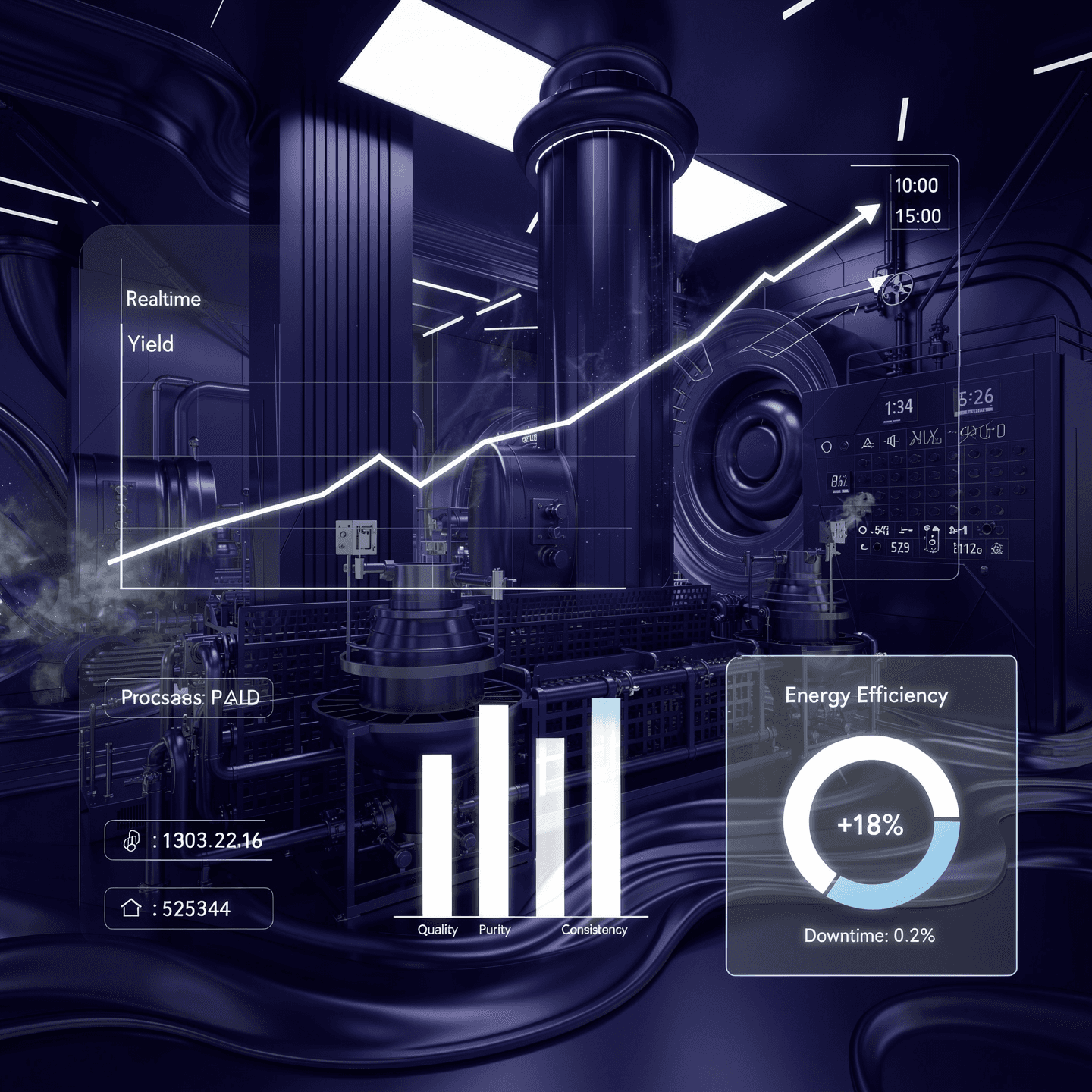
Real-Time Sugar Monitoring in Sugar Processing
In sugar processing, process conditions are constantly changing.
Raw material quality varies from day to day.
Temperatures, flows, and retention times shift continuously.
Operators are required to make decisions under dynamic conditions—often based on delayed information.
Traditional laboratory analysis delivers results 30–60 minutes after sampling.
By that time, the process has already moved on.
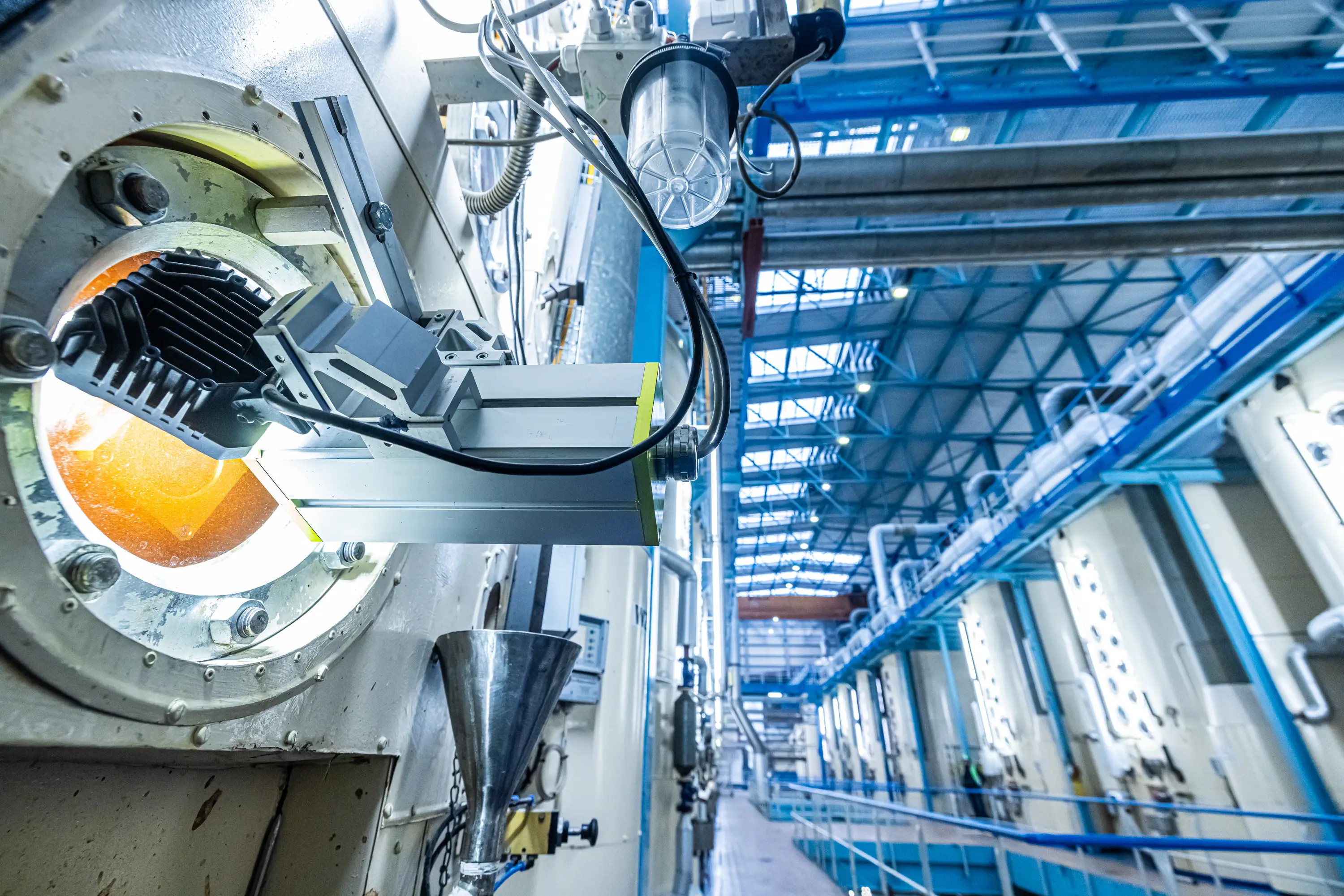
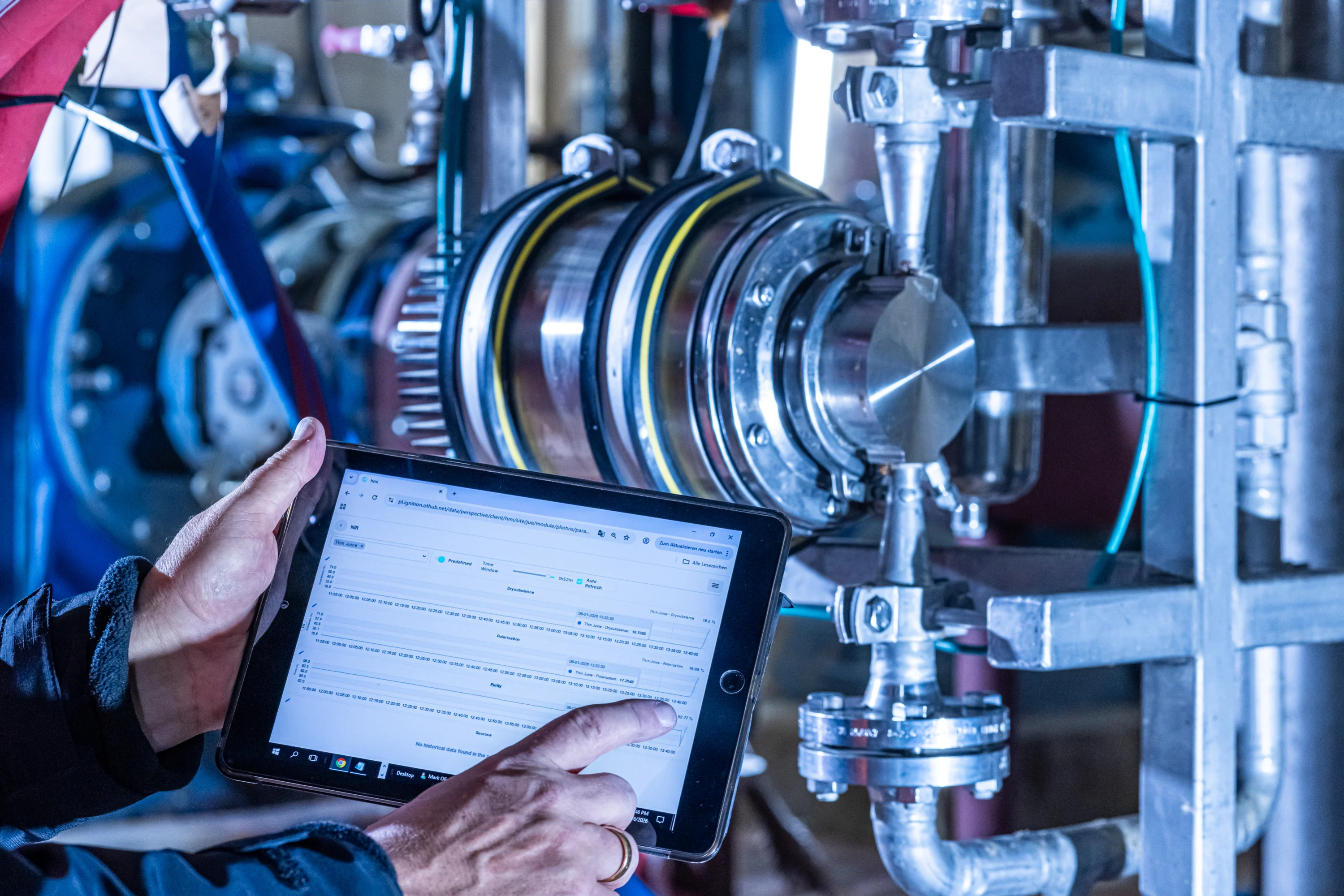
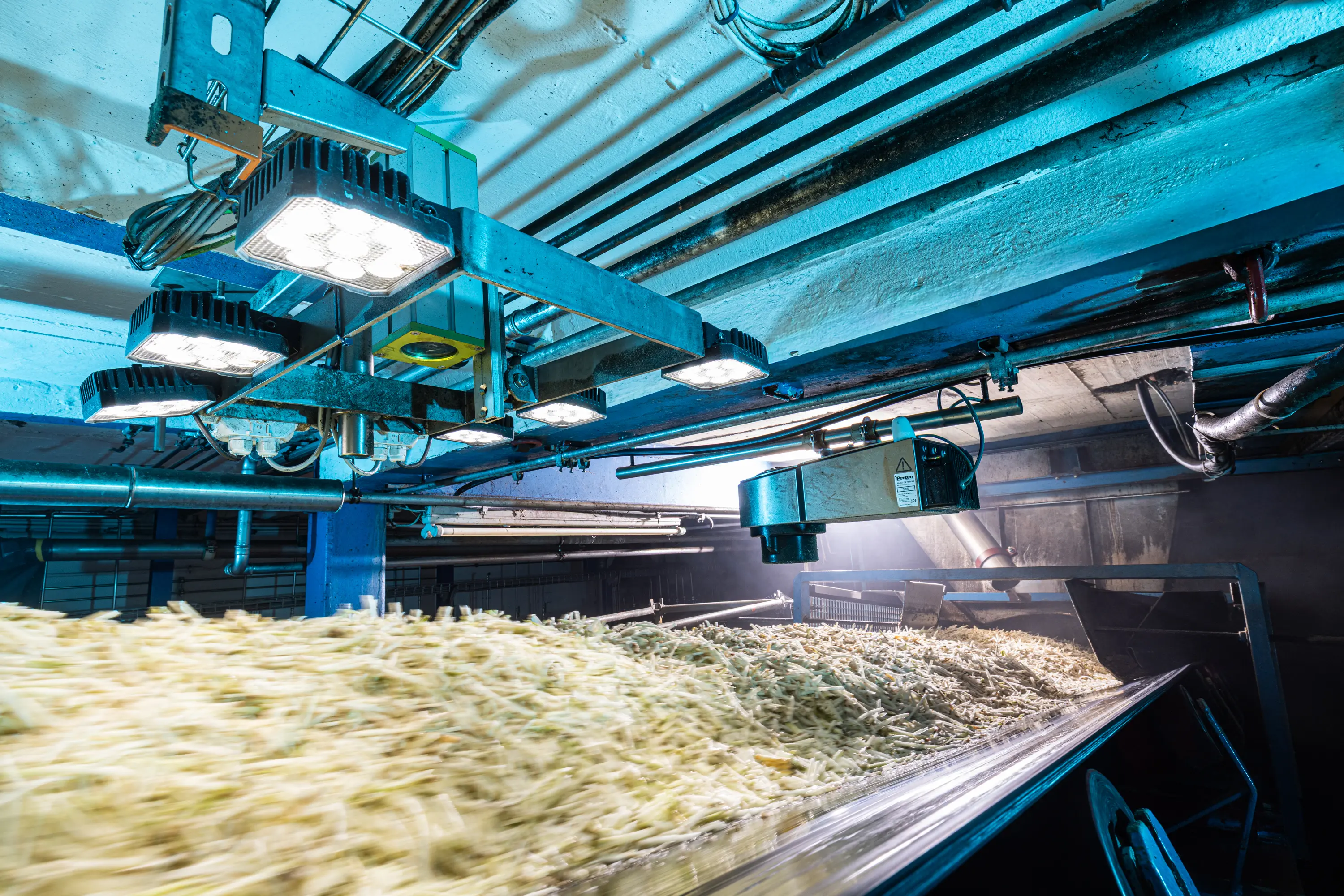
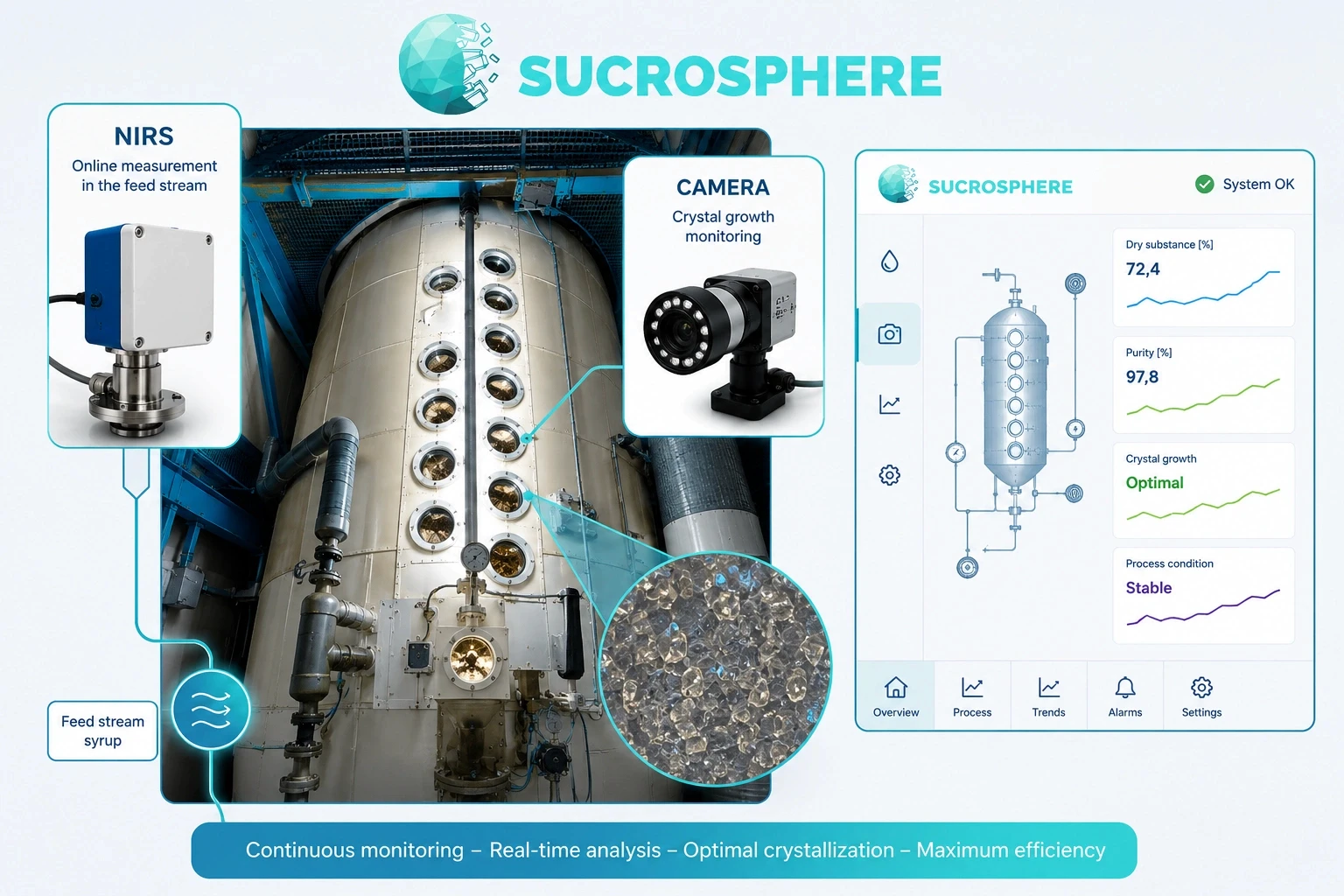
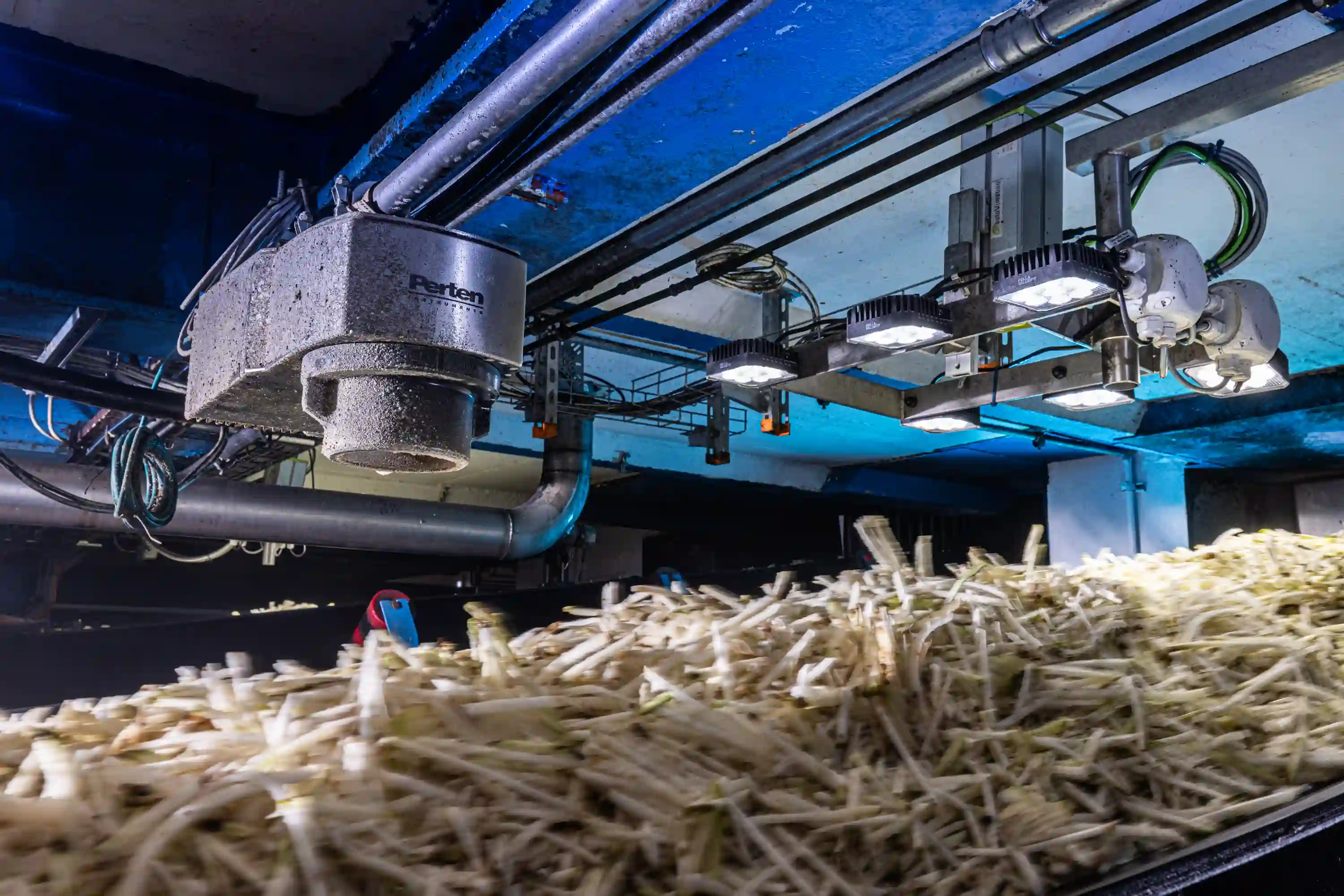
NIR spectroscopy in sugar processing enables real-time sugar monitoring directly in sugar factories, providing continuous measurement of:
sucrose content (pol)
dry substance (Brix)
purity and key quality indicators
This allows production teams to respond while the process is still running—reducing variability and improving stability.
Why NIR Spectroscopy Fits Sugar Factories
From a technical perspective, NIR spectroscopy in sugar processing is well suited to industrial conditions:
high concentrations of sucrose and dissolved solids
relatively stable liquid matrices
established laboratory reference methods (ICUMSA, HPLC)
strong economic sensitivity to small efficiency improvements
Under controlled conditions, NIRS sugar analysis can achieve accuracy comparable to laboratory measurements.
However, achieving this level of performance in real sugar factory environments requires more than the underlying technology.
Key Challenges of NIR Spectroscopy in Sugar Factories
While the fundamentals of NIR are widely understood, practical implementation in sugar factories introduces challenges that are often underestimated.
Process Variability in Sugar Processing
Seasonal changes in beet or cane quality, along with normal process fluctuations, continuously affect measurement conditions.
Calibration models must remain valid across:
full campaign durations
varying raw material qualities
different operating ranges
Calibration Robustness for NIRS Sugar Analysis
Calibration models developed under limited conditions may perform well in trials but degrade under real production variability.
Reliable near-infrared calibration in sugar processing requires:
representative data across operating conditions
consistent reference analytics
validation under real production environments
Measurement Conditions in Industrial Environments
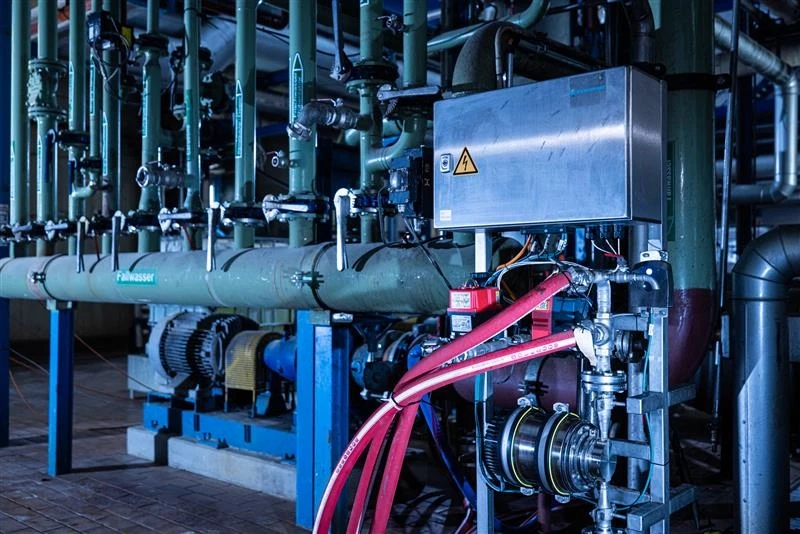
In sugar factories, physical conditions directly influence measurement quality:
air bubbles and suspended solids affecting signal transmission
fouling of optical components
temperature and flow variability
Without proper system design, these factors reduce the reliability of inline sugar measurement systems.
Operator Trust and Data Reliability
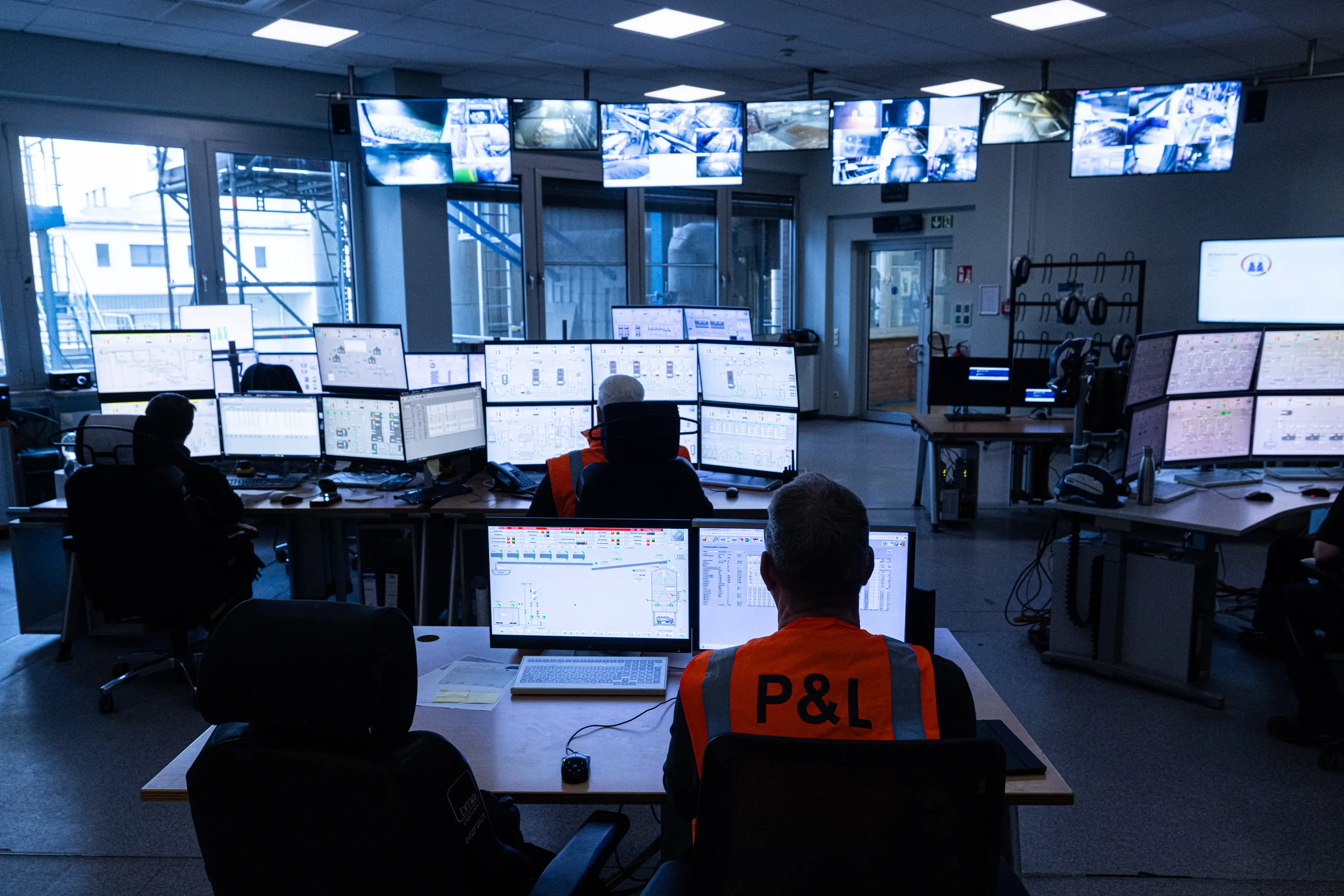
For operators, data is only useful if it is trusted.
Reliable real-time sugar monitoring requires:
stable signals over time
clear data quality indicators
consistency with laboratory results
Trust is built through consistent performance under real operating conditions.
Integration into Process Control Systems
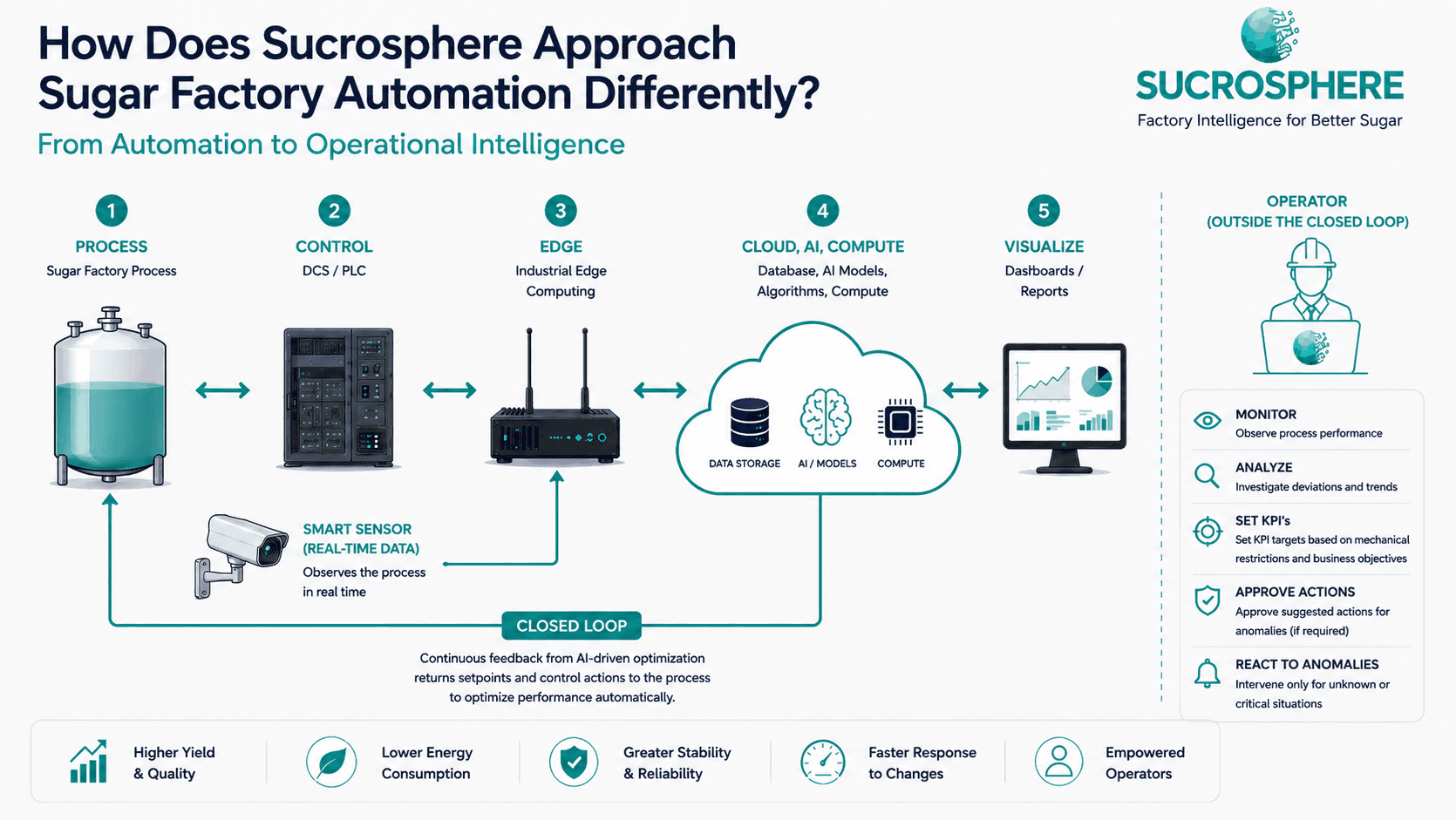
The full value of NIR spectroscopy in sugar processing is realized only when data is used for control.
This requires:
continuous availability of measurement data
integration into DCS or advanced control systems
alignment with process dynamics
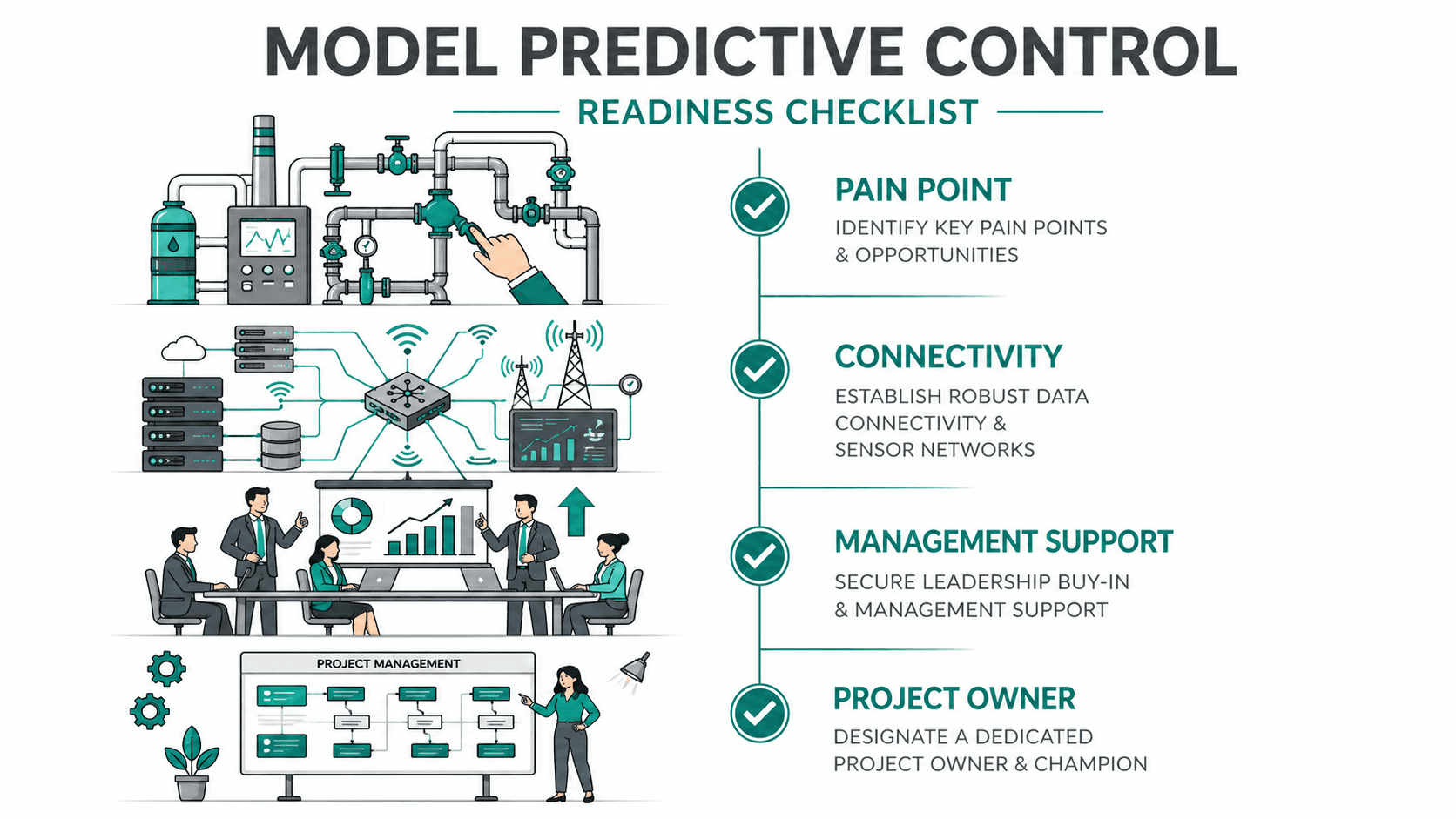
This is particularly important for MPC-based process optimization in sugar factories.
From NIR Measurement to Process Optimization
When these challenges are addressed, NIR spectroscopy becomes a key enabler of process optimization in sugar factories.
Instead of reacting to delayed laboratory data, plants can:
detect deviations in real time
stabilize process conditions
reduce variability across production stages
This creates the foundation for more advanced control strategies.
NIR Spectroscopy and MPC in Sugar Processing
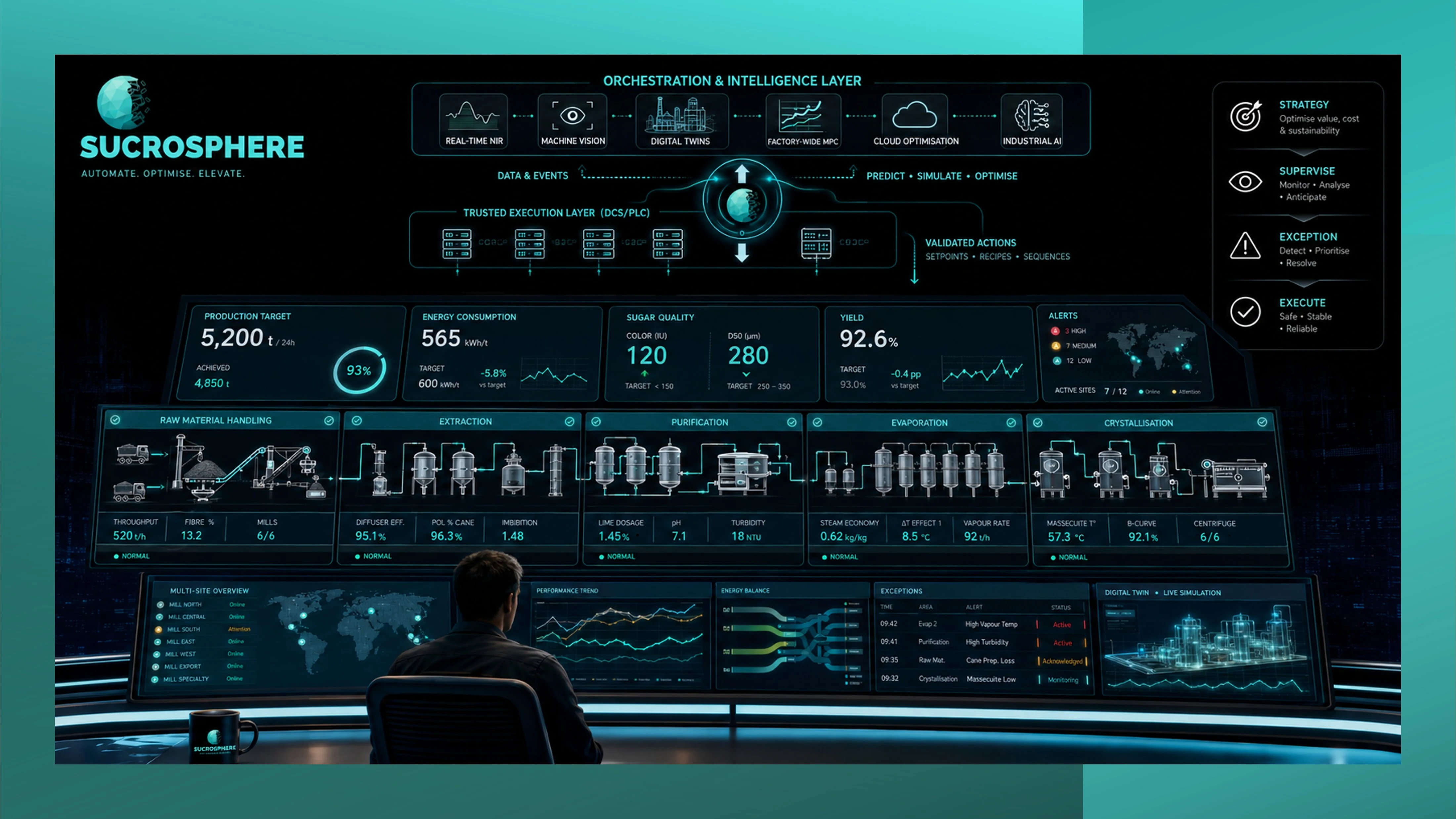
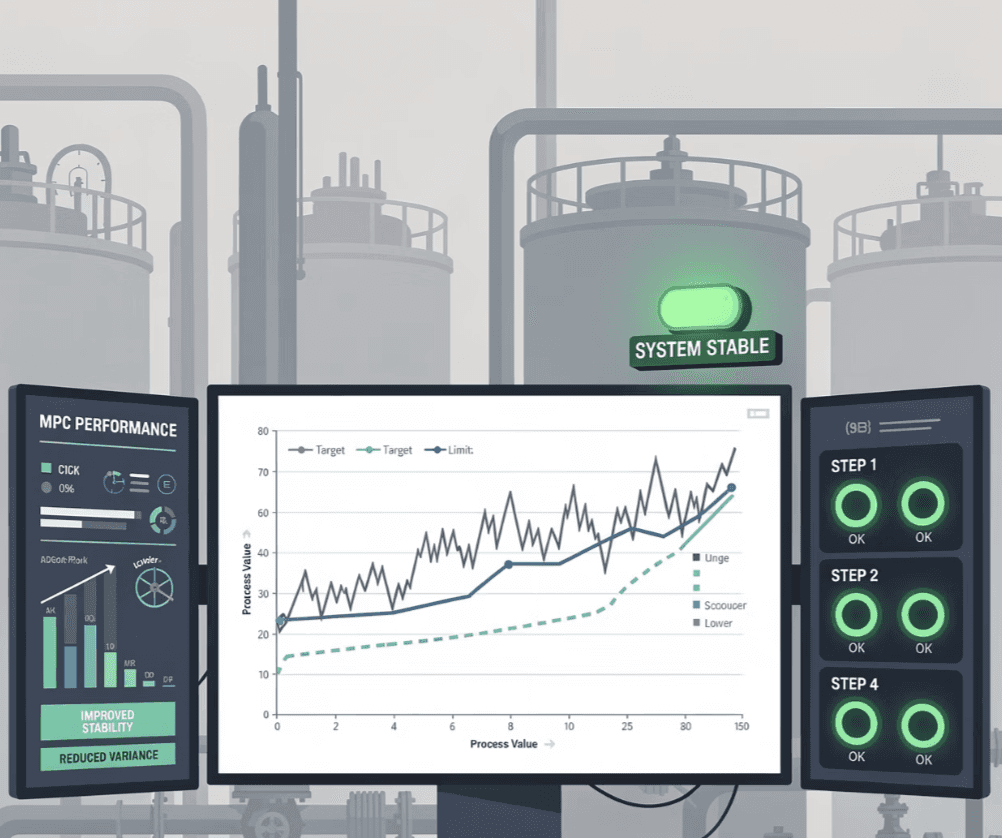
The combination of NIR spectroscopy and Model Predictive Control (MPC) in sugar processing enables predictive and economically optimized operation.
With reliable real-time data, MPC systems continuously adjust:
water addition
temperature profiles
retention times
based on current process conditions.
This results in:
improved extraction efficiency
reduced energy consumption
more stable operation under fluctuating raw material conditions
Scaling NIR Systems Across Campaigns and Factories
Maintaining performance across campaigns and sites is a key challenge in industrial NIR spectroscopy in sugar processing.
Differences in:
raw material characteristics
sensor configurations
process conditions
can significantly affect measurement behavior.
Achieving consistent performance requires:
structured calibration management
harmonized data handling
experience across multiple sugar factories and campaigns
The Role of Experience in NIR Implementation
The challenges of NIR spectroscopy in sugar processing are well known—but not easily solved in practice.
Successful implementation depends on:
robust calibration strategies
stable measurement environments
reliable integration into process control systems
continuous validation during operation
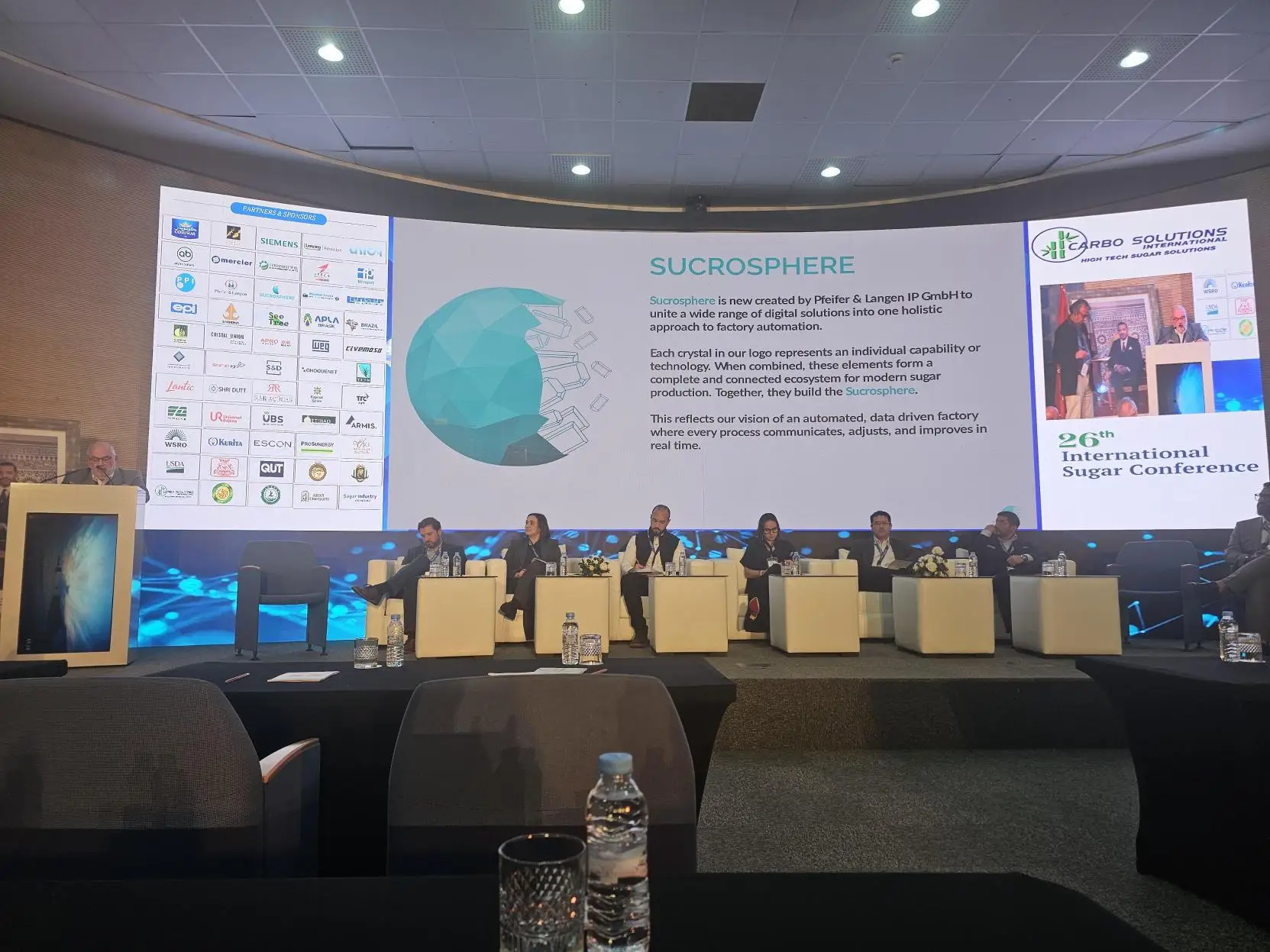
Sucrosphere combines these elements with practical experience from real sugar factory environments.
This enables NIRS systems that deliver reliable performance under real production conditions—supporting both operators and advanced control strategies from early stages.
Measurable Benefits of Real-Time Sugar Monitoring
When real-time sugar monitoring using NIR spectroscopy is implemented effectively, typical benefits include:
reduced process variability
improved extraction yield
optimized energy consumption
reduced reliance on delayed laboratory control
Even small improvements accumulate into significant economic impact over a full campaign.
Toward Predictive and Autonomous Sugar Processing
Modern sugar processing is evolving toward systems that:
detect deviations earlier
respond faster
optimize continuously
NIR spectroscopy in sugar factories provides the real-time data foundation for this transition.
Combined with advanced control strategies such as MPC, it enables more stable, efficient, and increasingly autonomous production.
Practical Takeaway
Implementing NIR spectroscopy in sugar processing is not just a sensor project.
It requires a system-level approach that ensures:
reliable data under real production conditions
integration into operator workflows
long-term performance stability
When implemented correctly, NIR becomes an integral part of how modern sugar factories operate.
Looking to implement real-time sugar monitoring or improve process optimization in your sugar factory? Sucrosphere supports end-to-end solutions—from NIR sensor integration to MPC-based control—built on practical experience in industrial sugar processing.