SERIES: SUGAR FACTORY AUTOMATION 2026 /PART 1

Where Sugar Factory Automation Stands in 2026

Where Sugar Factory Automation Stands in 2026

Where Sugar Factory Automation Stands in 2026

Where Sugar Factory Automation Stands in 2026

Website developed by Piotr Tyrakowski

Where the industry stands, where it is going, and why Sucrosphere becomes the sugar-specific optimisation layer.

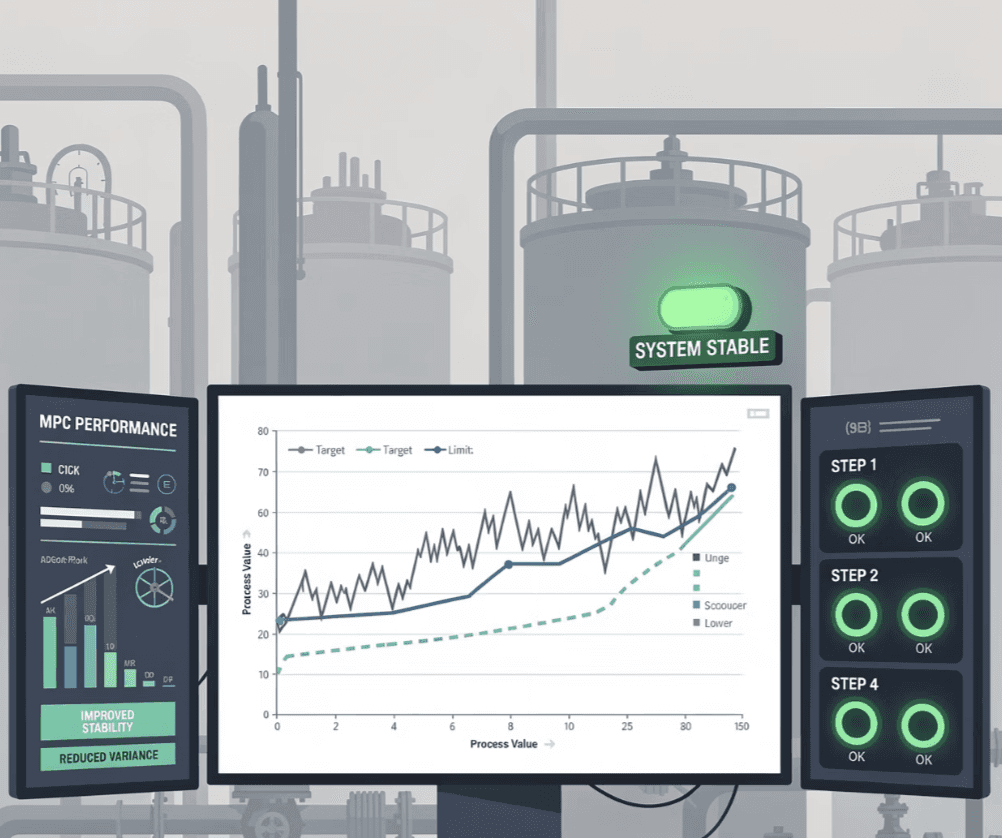
Sugar factories in 2026 are well-automated but not yet continuously optimised. Classic DCS systems from ABB, Siemens, Yokogawa, Emerson, and others keep plants safe and stable. But energy pressure, operator scarcity, and margin pressure now require a sugar-specific intelligence layer above the DCS: one that can see faster, predict earlier, and guide the factory closer to optimum throughout the campaign.

Sugar factories are no longer asking whether automation is needed. That debate is over. The real question in 2026 is sharper: which layer of automation creates measurable value during a campaign?

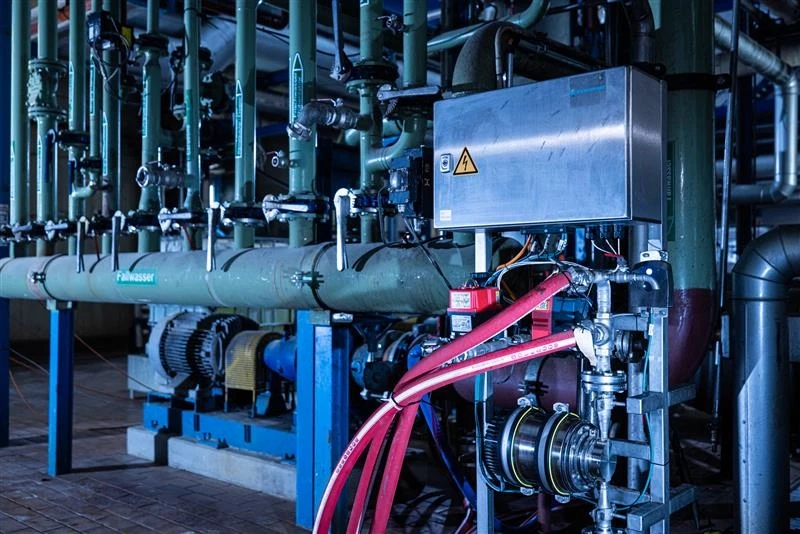
Classic and modern DCS systems from ABB, Siemens, Yokogawa, Emerson, Mitsubishi, Rockwell Automation, Honeywell, and Schneider Electric remain the backbone of reliable plant operation. They are strong in process control, alarms, safety, engineering standards, lifecycle support, and operator stations. Modern versions increasingly offer IoT connectivity, edge integration, cloud interfaces, cybersecurity functions, and advanced analytics.

But sugar production has a specific problem: the raw material changes continuously, the campaign is short, the process is nonlinear, and many critical measurements still come too late from the lab. The DCS keeps the plant safe and stable, but stability alone does not automatically mean optimum energy use, optimum extraction, optimum crystallisation, or optimum factory coordination.

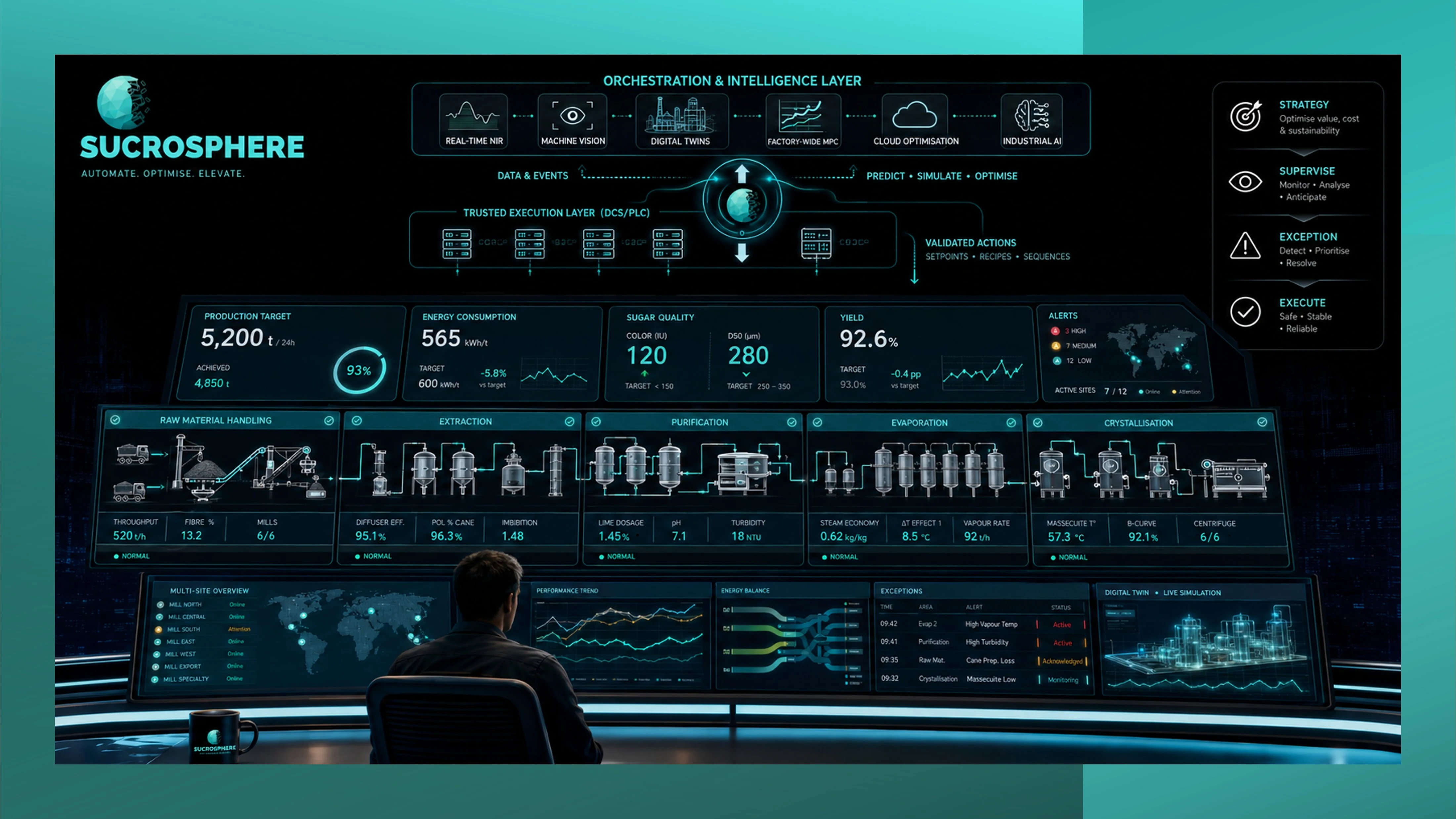
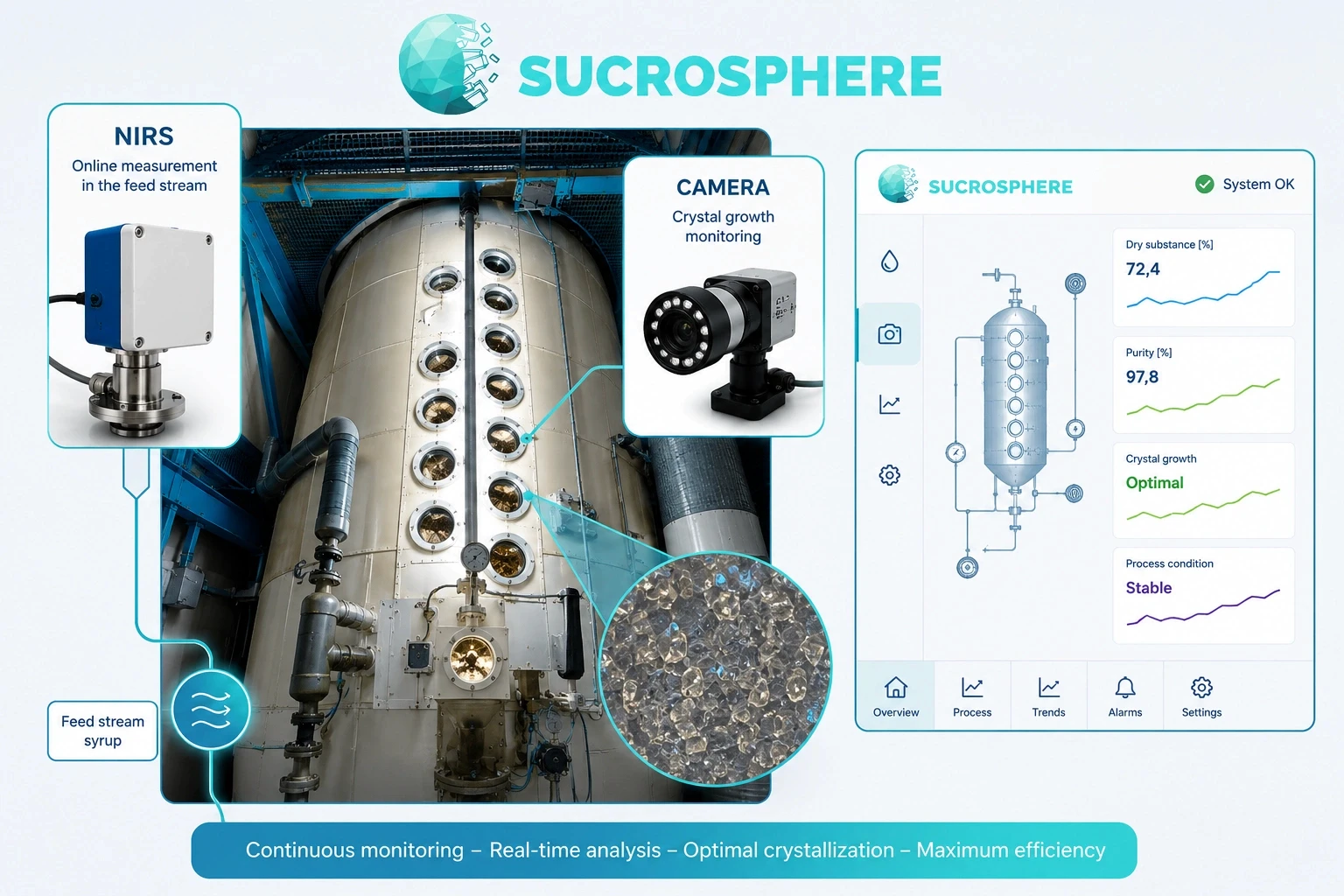
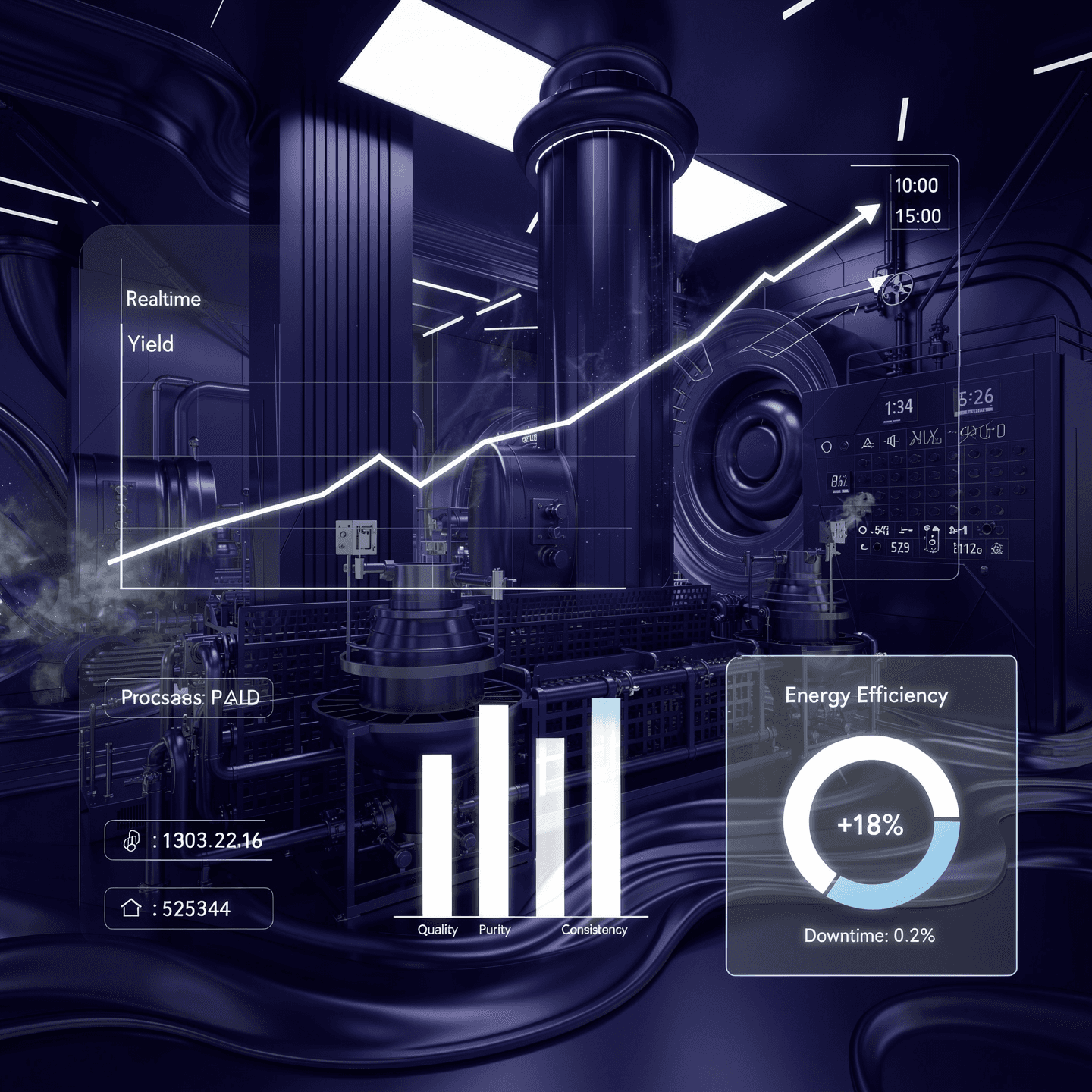
That is where a sugar-specific optimisation layer becomes important. Sucrosphere is not a replacement for the DCS. It is better understood as a sugar-dedicated intelligence layer above existing DCS/PLC systems, combining real-time NIR and visual sensing, model predictive control, digital twins, cloud supervision, and a phased deployment path from visibility to advisory, assisted control, and closed loop.

Classic DCS vs. Sucrosphere: What Each Does Best

Topic Classic / Modern DCS Sucrosphere sugar-specific layer
Core strength Stable plant control, alarms, interlocks, safety, HMI and engineering standards Real-time sugar process optimisation and decision support
Industry focus Broad process industries Dedicated to beet, cane, and refinery sugar processes
IoT / cloud Increasingly available, but often generic Built around sugar-specific sensor data, MPC, and cloud supervision
Central control room Strong HMI and operator environment Adds cross-station process intelligence and sugar-specific KPIs
Remote control Possible, depending on architecture and cybersecurity concept Designed for remote supervision, performance monitoring, and expert support
MPC Available in some ecosystems, but usually generic and dependent on process modelling and custom engineering Sugar-specific MPC models for extraction, crystallisation, scheduling, and process coordination
Implementation risk Strong for automation backbone; higher effort for advanced optimisation Phased path: visibility > advisory > assisted > closed loop
Best role Keep the factory running safely Help the factory run closer to optimum continuously

How Far Has Automation Actually Come?

The state of the art in sugar factories is uneven. Many plants already operate with PLC/DCS automation, historians, basic process control, central control rooms, laboratory systems, and advanced instrumentation in selected areas. In leading factories, operators work with modern HMIs, data historians, remote support, and increasingly digital maintenance tools.

However, the industry is not yet fully autonomous. Many decisions remain operator-driven: juice flow balancing, extraction setpoints, evaporation constraints, crystallisation timing, centrifuge sequencing, steam economy, and campaign coordination. In many factories, laboratory measurements still arrive every 4 to 8 hours, while process disturbances happen every minute.

The honest picture:

  • Automation level 1: PID/PLC/DCS control is common.
  • Automation level 2: centralised visualisation and historian systems are increasingly common.
  • Automation level 3: real-time optimisation is still selective.
  • Automation level 4: closed-loop MPC in sugar is emerging, but not yet an industry-wide standard.

Factories have become more automated, but many have not yet become continuously optimised. That is the central gap in 2026.

The 3 Pressures Reshaping Sugar Factory Operations

3 pressures are now reshaping the automation discussion: energy, operators, and margins.

Energy costs pressure steam economy, evaporation, crystallisation, drying, and boilers. Operator pressure comes from the retirement of experienced staff and the difficulty of training new teams during increasingly complex campaigns. Margin pressure comes from volatile beet and cane quality, higher maintenance costs, sustainability targets, and limited tolerance for production losses.

Classic DCS systems help by stabilising operation, reducing manual intervention, improving alarm handling, and enabling better visibility. But they do not automatically solve sugar-specific optimisation. To capture the next layer of efficiency, each factory still needs process models, real-time sensor integration, control logic, operator acceptance, and validation during campaign.

Pressure How classic DCS helps Limitation Where Sucrosphere adds value
Energy Stable steam, temperature, and pressure control; historian data; alarms Does not automatically optimise the whole sugar energy balance MPC can optimise setpoints based on process state and constraints
Operators Better HMI, alarm handling, and central control room Operators still interpret sugar process behaviour manually Advisory and assisted control support decisions and training
Margins More stable operation and fewer deviations Yield losses often come from process variability that is not visible fast enough Real-time sensors plus MPC target recovery, steam use, and quality
Raw material variability Basic control reacts to measured deviations Lab data can arrive too late; disturbances arrive first NIR and visual smart sensors create real-time process visibility
Multi-station coordination DCS can connect units and execute interlocks Plant-wide optimisation usually needs an additional layer Scheduler, digital twin, and MPC coordination layer
The DCS keeps the factory stable, safe, and controllable. But energy pressure, operator scarcity, and margin pressure require more than a stable automation backbone.

Want to Learn More?

The deployment methodology and results from our sugar factory projects are in the Sucrosphere white papers.
Coming next in Part 2: We move from automation architecture to real campaign value. The next article looks at MPC adoption in beet and cane sugar, the sensor technologies already proving themselves in campaigns, and the practical path from advisory mode to closed-loop optimisation.
About the author

Mark Oliver Burkhardt

Managing Director at Sucrosphere, the digital automation platform developed by Pfeifer & Langen IP GmbH. Mark leads the team building autonomous control systems for extraction / milling, crystallisation, and purification across beet sugar production. sucrosphere.com/about

READ MORE ARTICLES

READ MORE ARTICLES

SERIES: SUGAR FACTORY AUTOMATION 2026 /PART 1

Where Sugar Factory Automation Stands in 2026

Where the industry stands, where it is going, and why Sucrosphere becomes the sugar-specific optimisation layer.

SERIES: SUGAR FACTORY AUTOMATION 2026 /PART 1

Where Sugar Factory Automation Stands in 2026

Where the industry stands, where it is going, and why Sucrosphere becomes the sugar-specific optimisation layer.

CRYSTALLISATION

A Data-Driven Approach to Optimising Batch Sugar Crystallisation

How Smart Crystal Control combines real-time sensing, model-based control, and self-tuning to make crystallisation transparent, adaptive, and progressively autonomous.

CRYSTALLISATION

A Data-Driven Approach to Optimising Batch Sugar Crystallisation

How Smart Crystal Control combines real-time sensing, model-based control, and self-tuning to make crystallisation transparent, adaptive, and progressively autonomous.

INFORMATION

When the Tower Won't Listen: Automated Pressure Protection for Beet Extraction

An MPC-integrated pressure protection logic that absorbs beet extraction tower overpressure automatically, cutting...

INFORMATION

When the Tower Won't Listen: Automated Pressure Protection for Beet Extraction

An MPC-integrated pressure protection logic that absorbs beet extraction tower overpressure automatically, cutting...

PHILOSOPHY

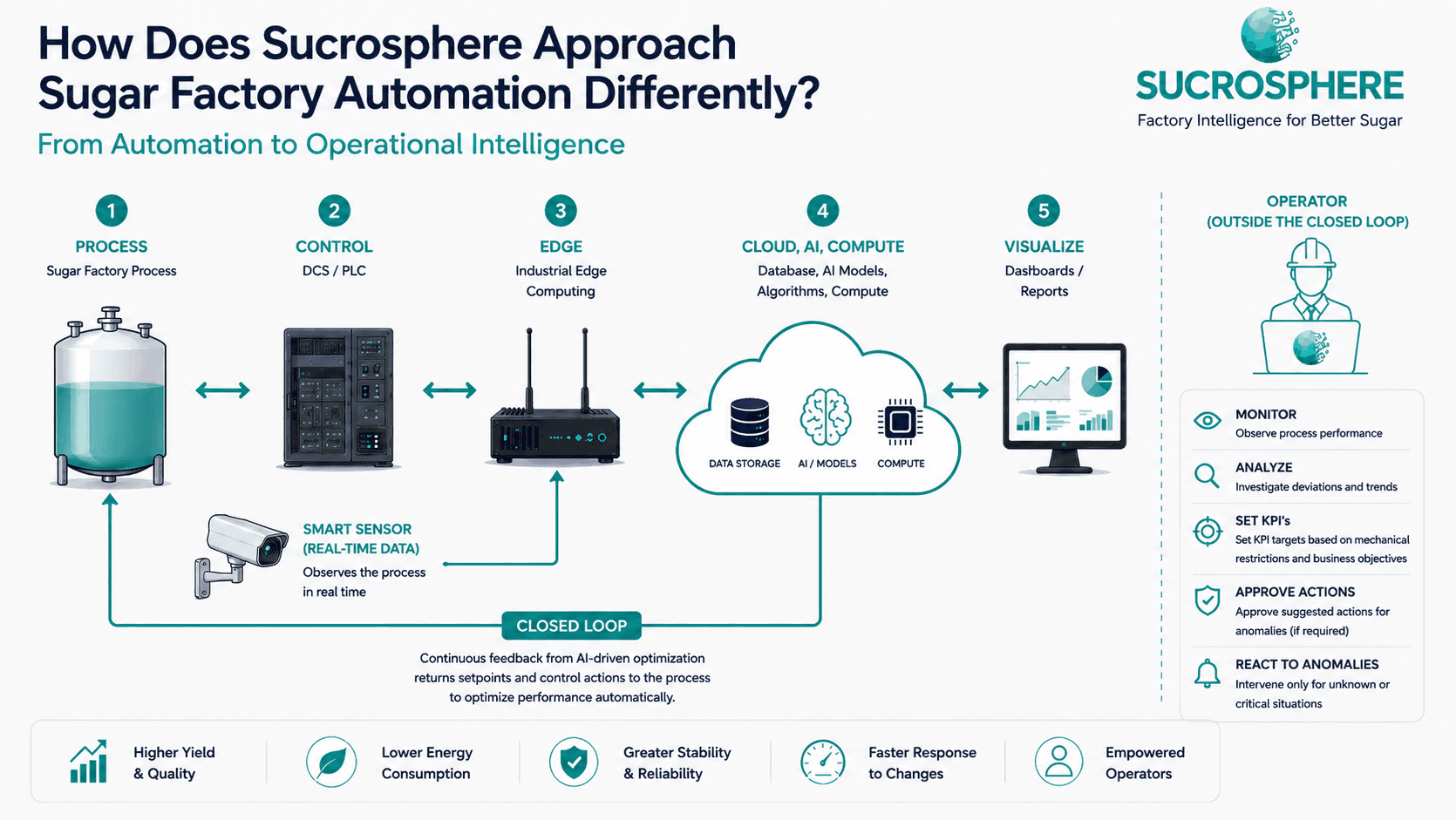
How Does Sucrosphere Approach Sugar Factory Automation Differently?

Sucrosphere approaches sugar factory automation as a connected factory intelligence platform rather than a collection of point solutions. Built on 150 years of Pfeifer & Langen...

PHILOSOPHY

How Does Sucrosphere Approach Sugar Factory Automation Differently?

Sucrosphere approaches sugar factory automation as a connected factory intelligence platform rather than a collection of point solutions. Built on 150 years of Pfeifer & Langen...

CONFERENCE

Sucrosphere at UPSMA 2026: 3 Steps from Automation to Autonomous Operation

Sucrosphere is presenting at the UPSMA 2nd International Conference on Future Ready Sugar Industry in Lucknow, India...

CONFERENCE

Sucrosphere at UPSMA 2026: 3 Steps from Automation to Autonomous Operation

Sucrosphere is presenting at the UPSMA 2nd International Conference on Future Ready Sugar Industry in Lucknow, India...

CONFERENCE

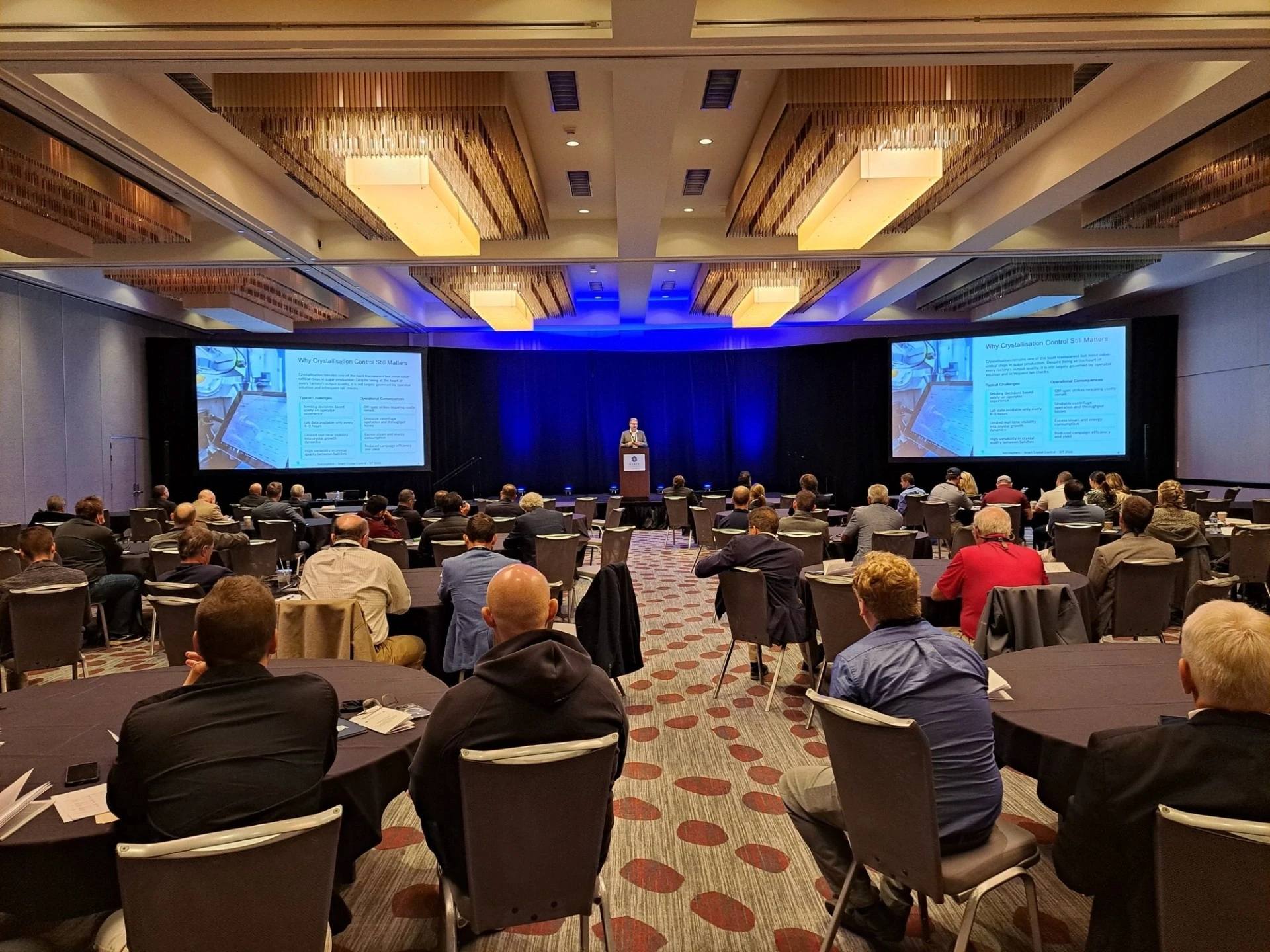
Sucrosphere at VDZ/ESST 2026: MPC, Smart Crystal Control, and the Autonomous Sugar Factory

On Day 1 of the 9th VDZ/ESST Conference in Lubeck, Sucrosphere presented live results from 2 deployed systems: MPC-based...

CONFERENCE

Sucrosphere at VDZ/ESST 2026: MPC, Smart Crystal Control, and the Autonomous Sugar Factory

On Day 1 of the 9th VDZ/ESST Conference in Lubeck, Sucrosphere presented live results from 2 deployed systems: MPC-based...

AUTOMATION

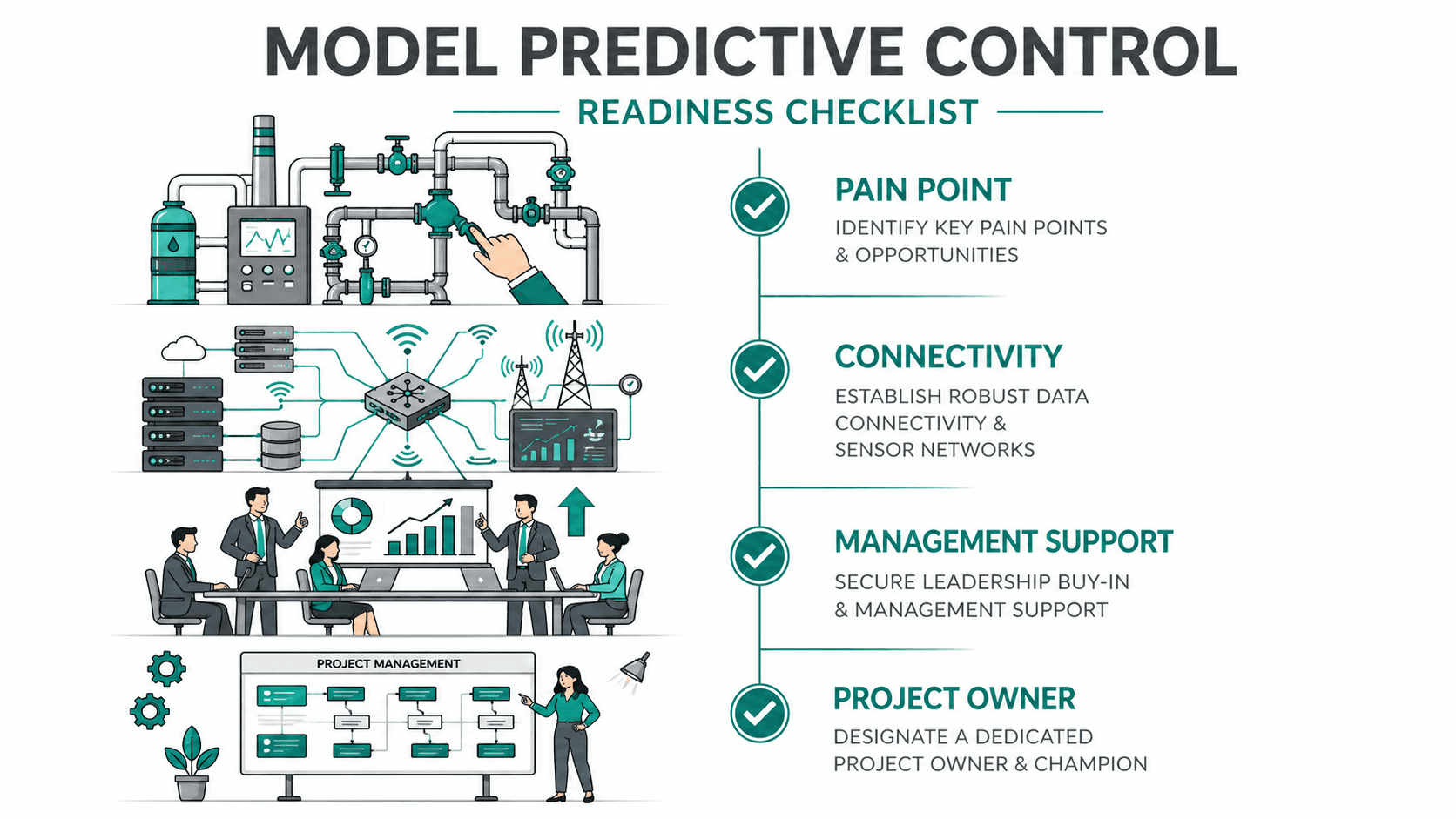
Sugar Factory Automation Checklist: 10 Signs You Are Ready to Implement MPC

A sugar factory is ready to implement Model Predictive Control (MPC) when it has OPC-UA connectivity, a process engineer who understands...

AUTOMATION

Sugar Factory Automation Checklist: 10 Signs You Are Ready to Implement MPC

A sugar factory is ready to implement Model Predictive Control (MPC) when it has OPC-UA connectivity, a process engineer who understands...

EXTRACTION OPTIMIZATION

Smart Extraction Control: How VSS, NIRS, and MPC Are Redefining Sugar Recovery

Smart Extraction Control combines a Visual Smart Sensor (VSS) for cossette quality, NIRS sensors across all extraction streams, and...

EXTRACTION OPTIMIZATION

Smart Extraction Control: How VSS, NIRS, and MPC Are Redefining Sugar Recovery

Smart Extraction Control combines a Visual Smart Sensor (VSS) for cossette quality, NIRS sensors across all extraction streams, and...

EVENT RECAP

Smart Crystal Control

Smart Crystal Control is an integrated system that uses a Visual Sensor System (VSS) and NIR spectroscopy to measure crystal population and feed syrup quality in real time, and a model-based...

EVENT RECAP

Smart Crystal Control

Smart Crystal Control is an integrated system that uses a Visual Sensor System (VSS) and NIR spectroscopy to measure crystal population and feed syrup quality in real time, and a model-based...

INFORMATION

What Is Model Predictive Control (MPC) in Sugar Production?

MPC is a software layer that uses a mathematical model of your process to calculate the optimal control actions for the next hour, not just the next setpoint. It manages...

INFORMATION

What Is Model Predictive Control (MPC) in Sugar Production?

MPC is a software layer that uses a mathematical model of your process to calculate the optimal control actions for the next hour, not just the next setpoint. It manages...

OPTIMIZATION

NIR Spectroscopy in Sugar Processing - Real-Time Sugar Monitoring

NIRS has evolved from a laboratory technique into a core enabler of real-time process control in modern sugar production.

OPTIMIZATION

NIR Spectroscopy in Sugar Processing - Real-Time Sugar Monitoring

NIRS has evolved from a laboratory technique into a core enabler of real-time process control in modern sugar production.

COST REDUCTION

5 Hidden Costs Killing Sugar Production Profits (How to Fix)

Discover five hidden costs draining sugar production profits and proven solutions to reduce expenses by €400K per campaign using automation

COST REDUCTION

5 Hidden Costs Killing Sugar Production Profits (How to Fix)

Discover five hidden costs draining sugar production profits and proven solutions to reduce expenses by €400K per campaign using automation

OPTIMIZATION

How to Increase Sugar Yield: Complete 2026 Optimization Guide

Increase sugar extraction yield by 0.6% using proven process optimization techniques. Learn about NIRS, MPC systems, and IoT integration for sugar plants.

OPTIMIZATION

How to Increase Sugar Yield: Complete 2026 Optimization Guide

Increase sugar extraction yield by 0.6% using proven process optimization techniques. Learn about NIRS, MPC systems, and IoT integration for sugar plants.

NEWS

From Strategy to Shopfloor: How AI Is Delivering Real Value in Sugar Production

Key takeaways from SUCROSPHERE'S AI Roadmap Workshop at the 26th CSI Conference in Marrakesh

NEWS

From Strategy to Shopfloor: How AI Is Delivering Real Value in Sugar Production

Key takeaways from SUCROSPHERE'S AI Roadmap Workshop at the 26th CSI Conference in Marrakesh

INFORMATION

Sucrosphere Extraction Solutions

Boost extraction yield and cut costs. See how our Digital Extraction Package uses MPC and real-time sensors to unlock up to 0.4 €/t in savings.

INFORMATION

Sucrosphere Extraction Solutions

Boost extraction yield and cut costs. See how our Digital Extraction Package uses MPC and real-time sensors to unlock up to 0.4 €/t in savings.

NEWS

MPC deployments: lessons from the last season

From digital twins to verified ROI: we share three critical lessons learned from our recent real-world MPC deployments in sugar factories.

NEWS

MPC deployments: lessons from the last season

From digital twins to verified ROI: we share three critical lessons learned from our recent real-world MPC deployments in sugar factories.

INFORMATION

Carbonatation control that lowers energy use

Stabilize raw juice quality and cut energy costs. Learn how advanced NIR sensors optimize purification today and pave the way for full automation.

INFORMATION

Carbonatation control that lowers energy use

Stabilize raw juice quality and cut energy costs. Learn how advanced NIR sensors optimize purification today and pave the way for full automation.