Why instrumentation keeps getting stuck in capital budgets, and how a different commercial model changes who has to approve it and how long that takes.
Industrial optimisation projects often start with an engineering question: where are we losing efficiency, stability, or yield? But many of them stop because of a commercial one: who is going to approve the instrumentation needed to find out?
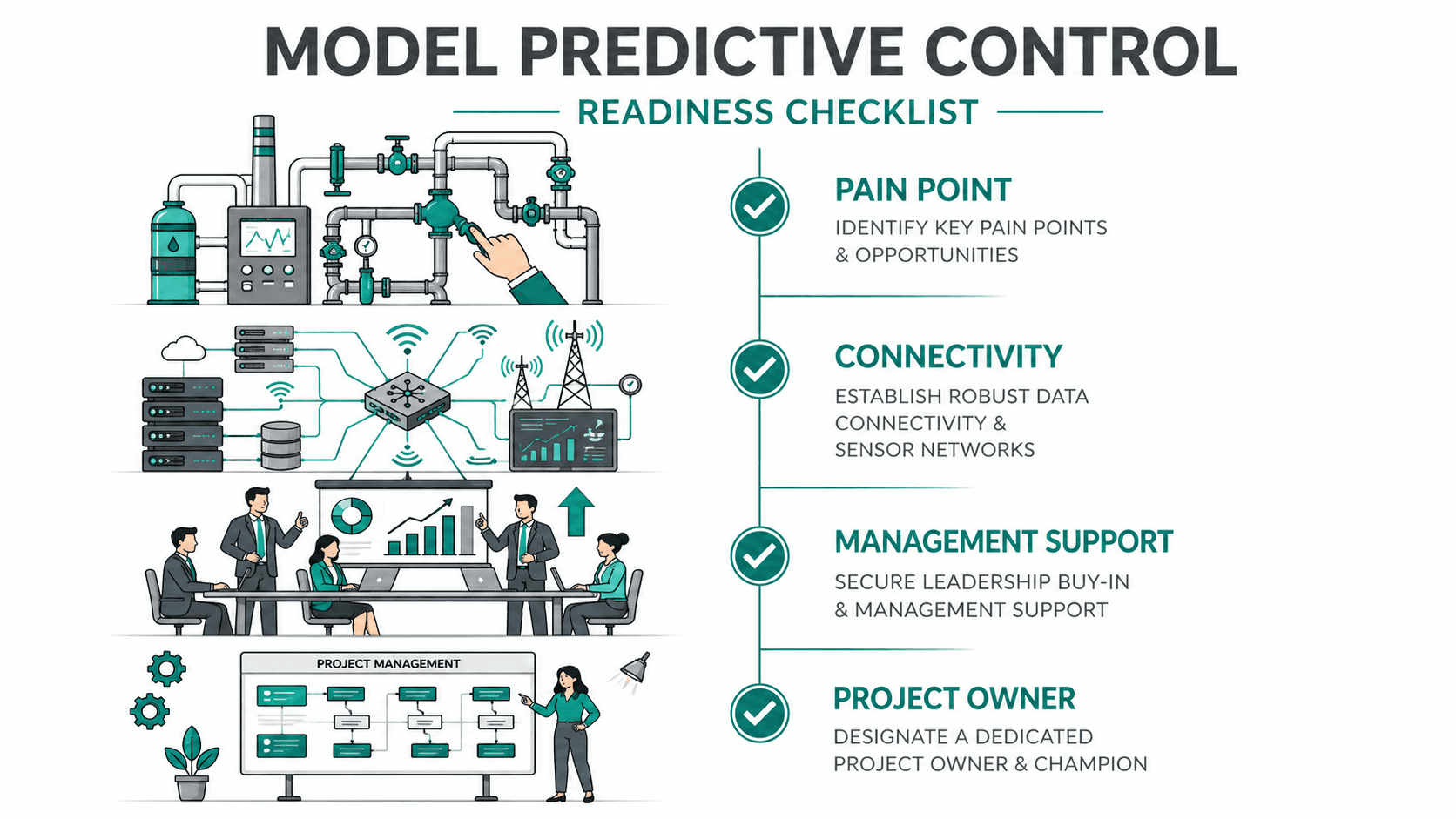
Advanced process control, Model Predictive Control, and real-time optimisation depend on reliable process information. In many sugar factories, the additional sensors required to create that information become a separate investment project, competing for capital with pumps, centrifugals, heat exchangers, and other equipment whose need is easier to demonstrate.
The optimisation opportunity is understood, the technology is available, and the expected benefit is attractive, but the project still waits because the first step requires another CAPEX decision. Device as a Service changes that starting point.
What Is Device as a Service?
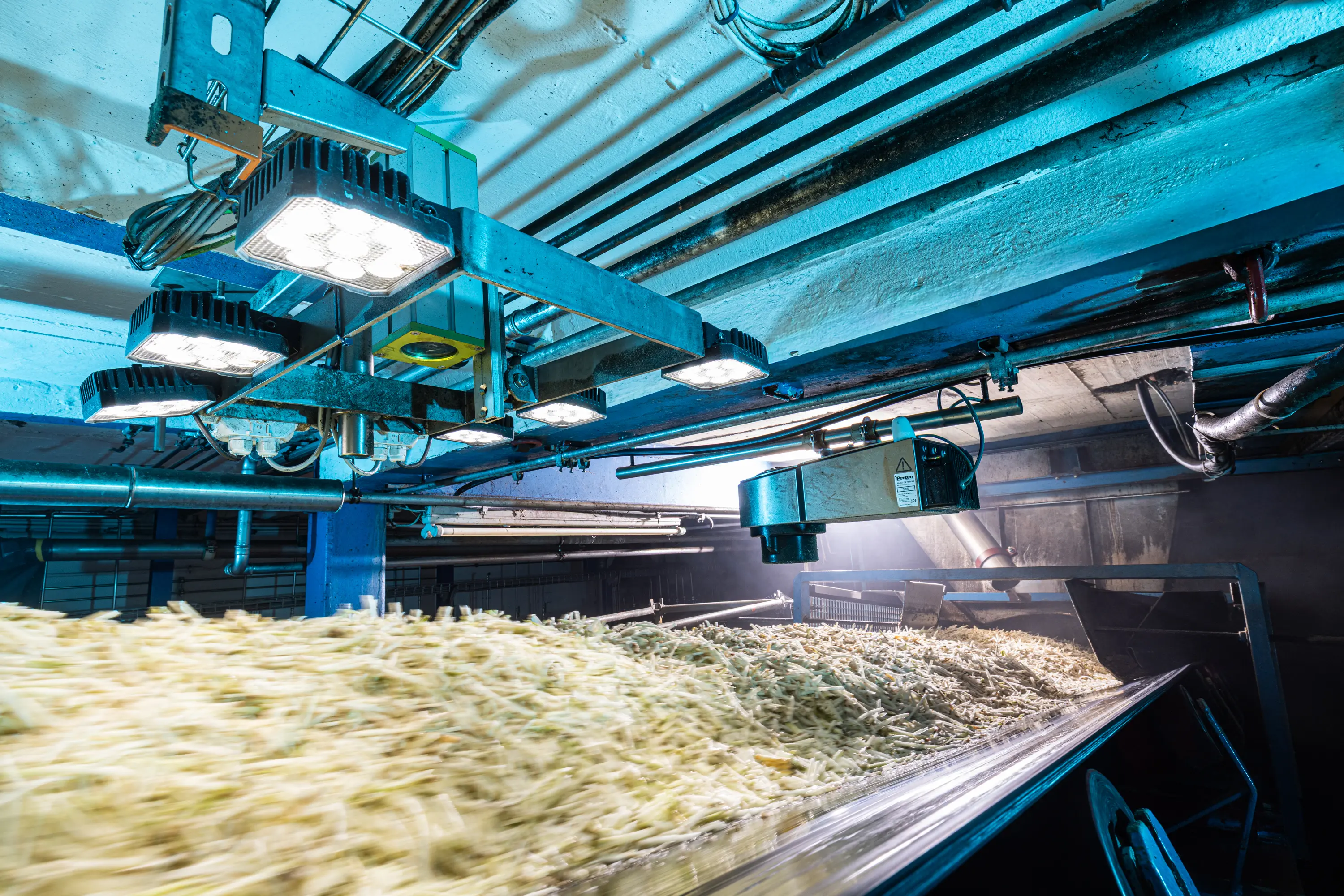
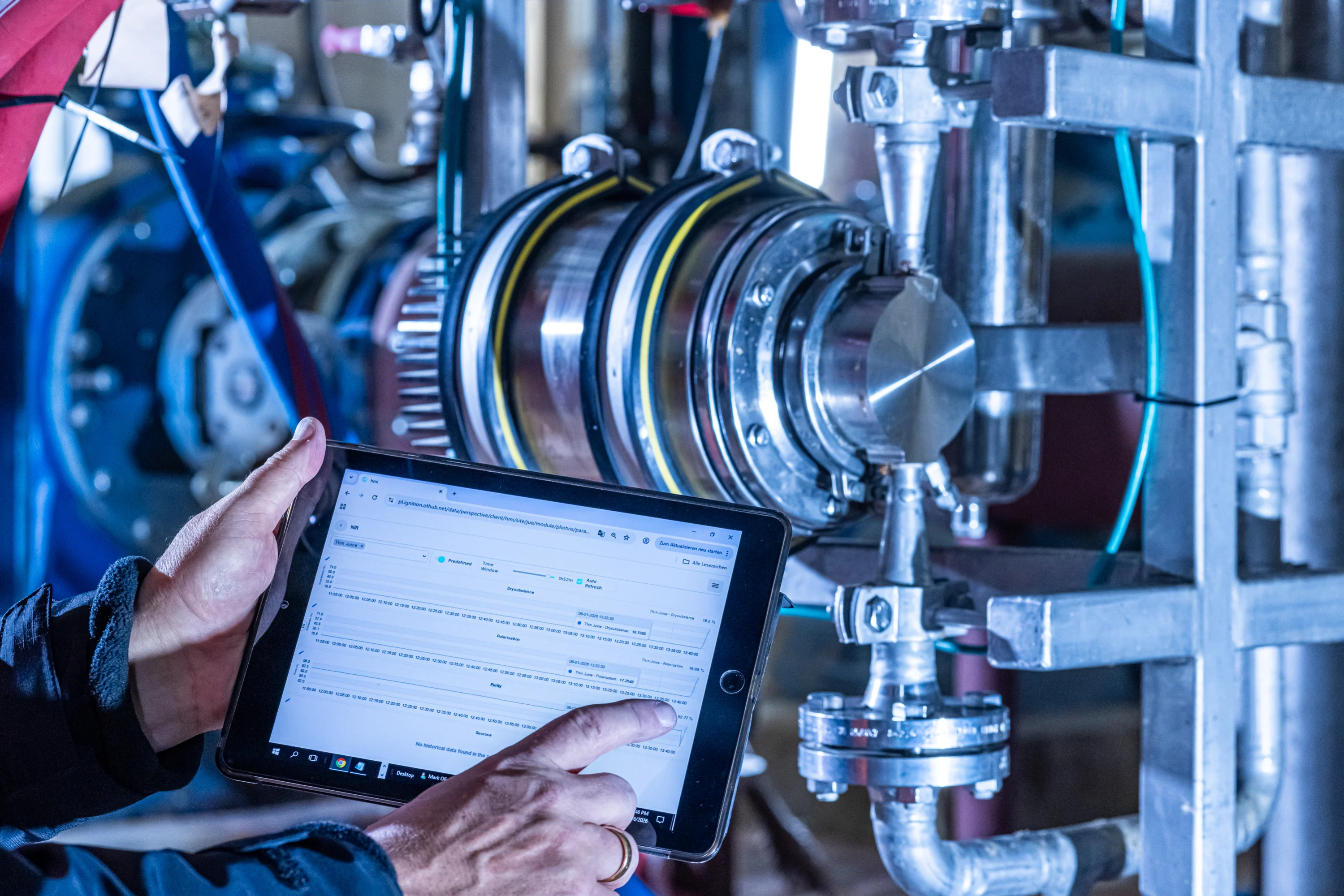
Device as a Service is a commercial model in which industrial instrumentation is provided for an agreed period rather than simply sold as hardware. Depending on the application and agreement, the service can include the sensor or analyser itself, installation and commissioning support, maintenance, troubleshooting, replacement of defective equipment, software and model updates, connectivity and data infrastructure, visualisation, and remote technical support.
The customer does not have to build the project around ownership of an individual measuring device. Instead, the focus shifts toward the measurement capability and the operational value created from it.
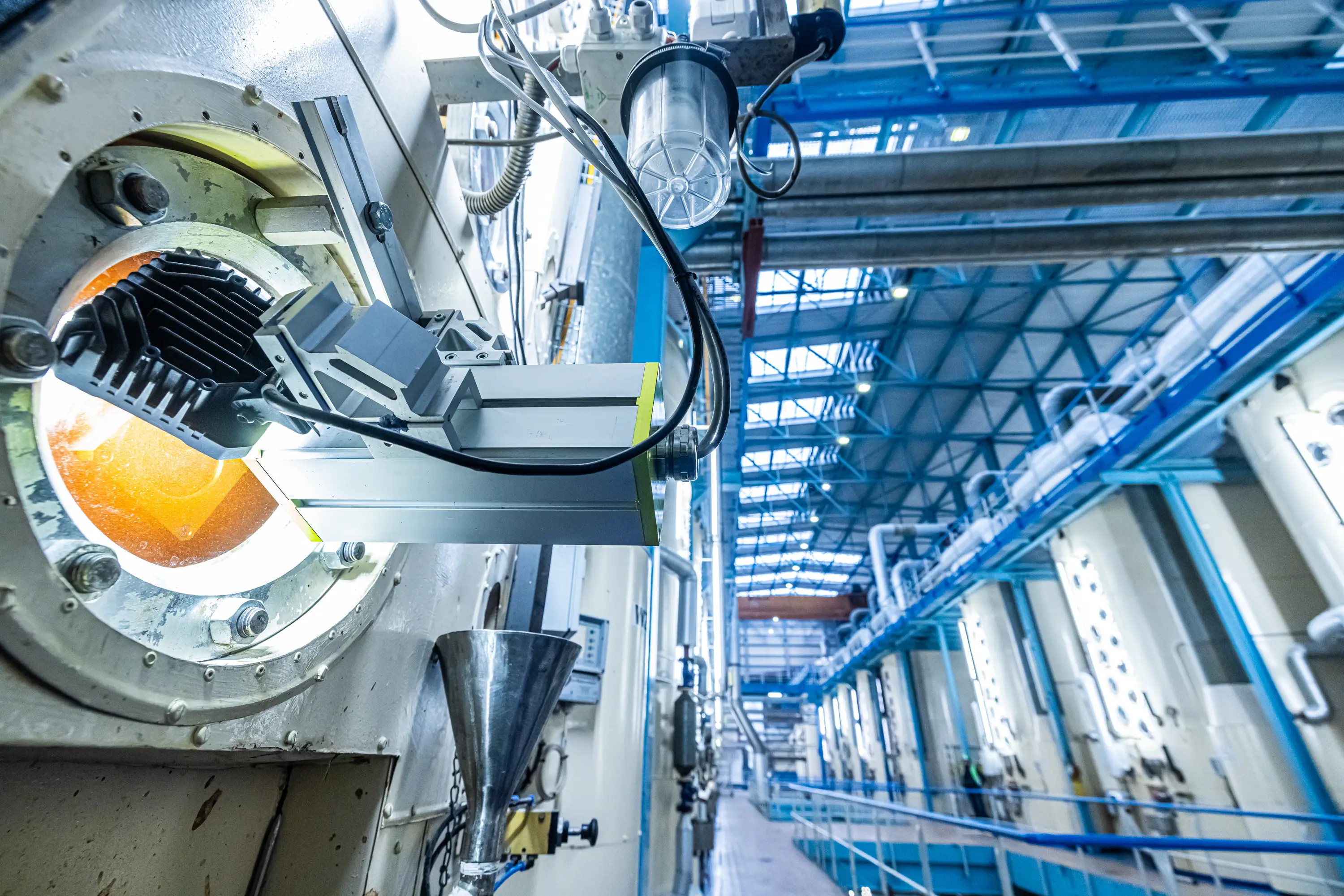
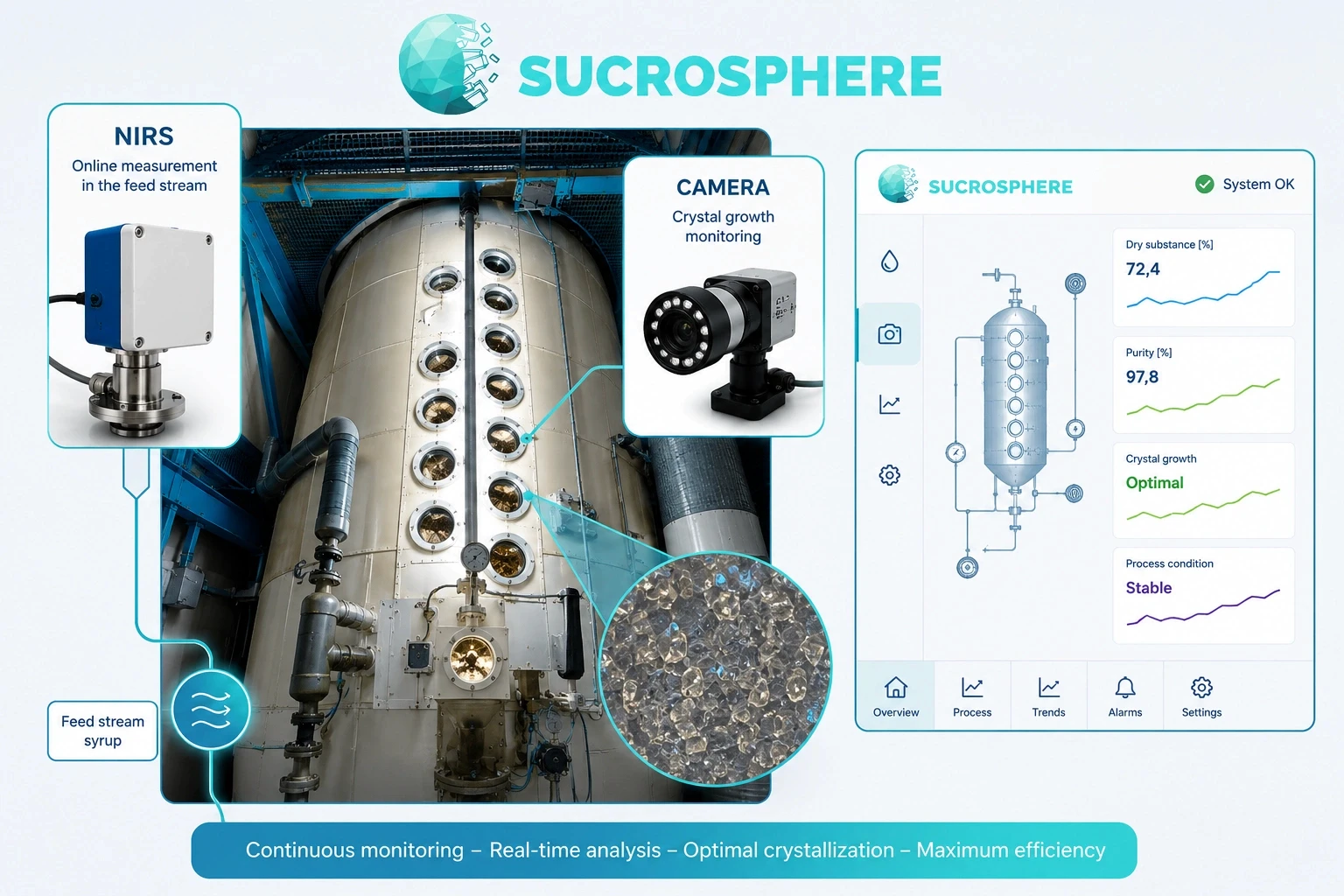
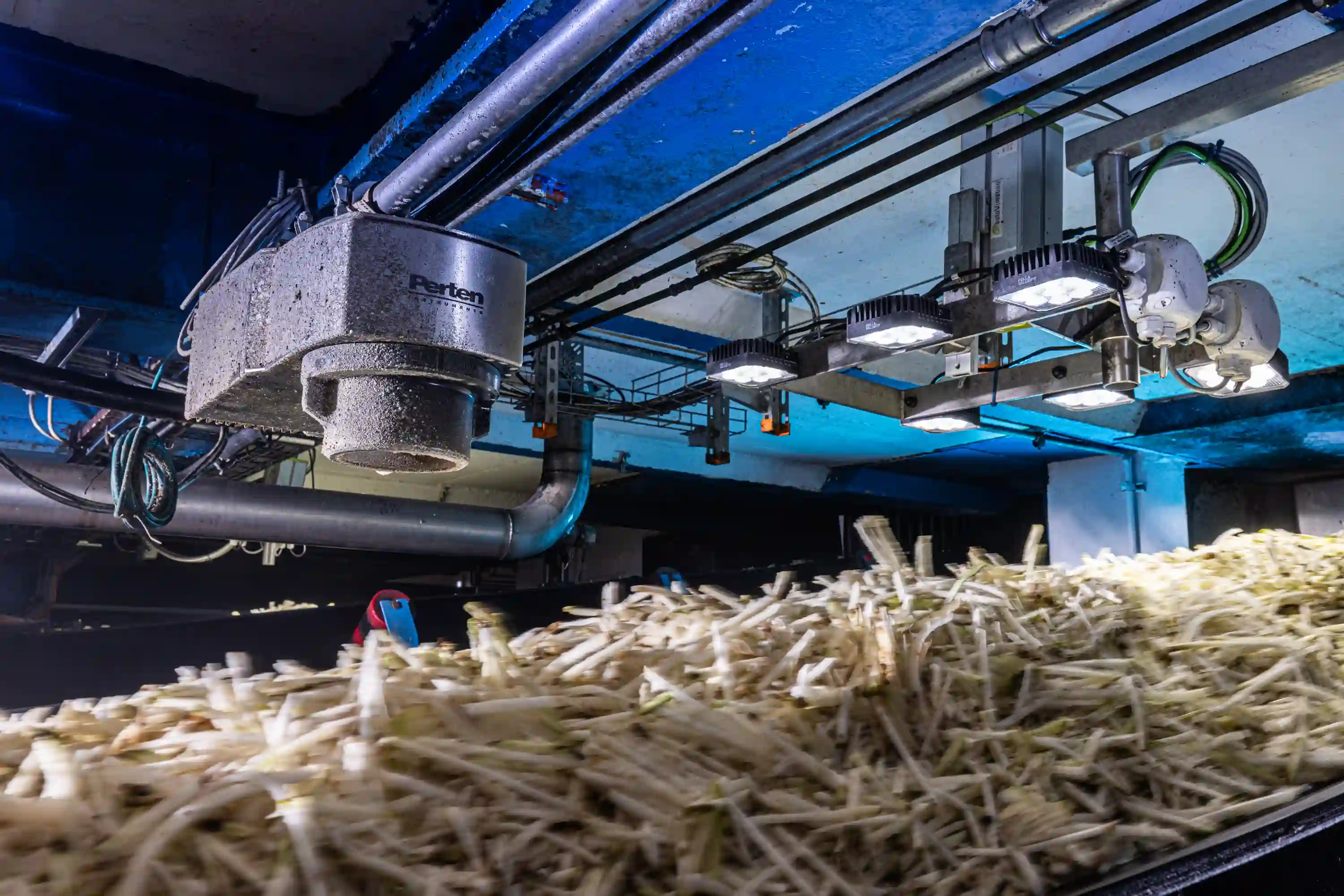
A factory does not ultimately benefit from owning an NIR analyser, a camera, or another process sensor. It benefits from knowing whether a critical process parameter is changing, and from being able to act on that information quickly enough to improve the process. The question therefore shifts from whether to invest in an instrument to whether continuous access to that process information and optimisation capability is worth the recurring cost. That is a more useful discussion.
Why Instrumentation Gets Stuck in Capital Budgets
Instrumentation projects face a particular problem inside industrial investment planning. A mechanical replacement can often be connected directly to an obvious operational requirement. A failing pump must be replaced. A centrifuge reaching the end of its lifetime requires investment. Capacity expansions have defined production targets.
The return from additional process measurement is often less visible before the measurement exists. The engineer may know that a process is unstable. Operators may see significant fluctuations during the campaign. Laboratory results may indicate that performance could be improved. But quantifying exactly how much value continuous measurement will create is difficult before the sensor has been installed.
A service model can reduce this barrier. Rather than treating every analyser as a standalone capital project, the factory can evaluate the instrumentation together with the optimisation application it enables. DaaS reduces the initial hardware commitment and makes the ongoing cost of obtaining better process information more predictable.
What Does Device as a Service Cost?
This is the question every plant manager, controller, and procurement lead eventually asks, and it deserves a better answer than 'it depends.'
The exact cost varies with the sensor technology, installation environment, service level, and required support. But the cost structure can be explained.
For an individual measurement point, the recurring annual service fee sits in the low-to-mid five-figure euro range, depending on the technology and service scope. That fee covers the device, maintenance, replacement in case of failure, technical support, and the agreed service package. After an initial test or validation period, the commercial model is typically structured around a multi-year contract, which allows the customer to validate the measurement and its optimisation value before moving into a longer-term operating model.
There is, however, one important consideration: the first device is rarely just a device.
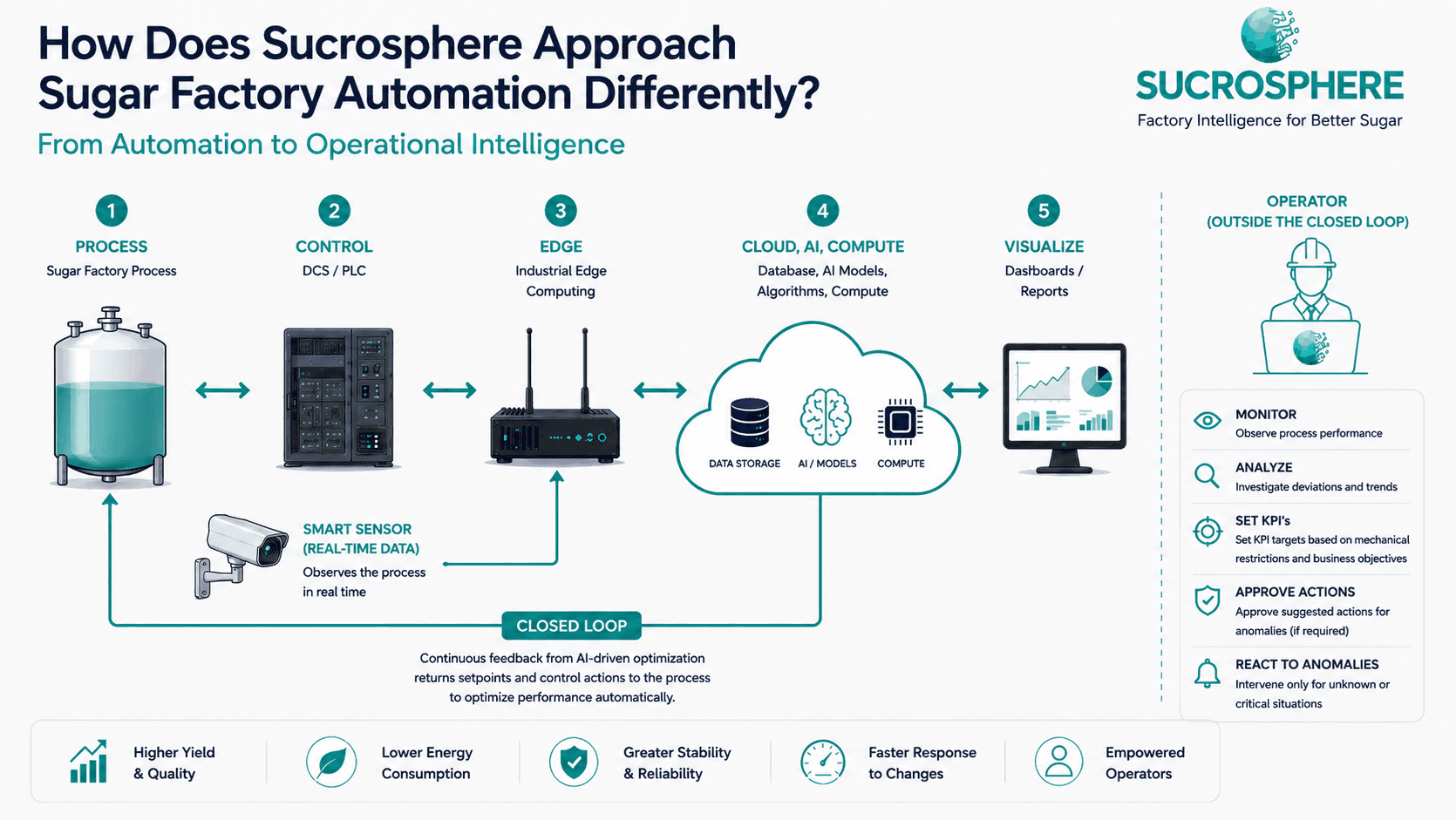
The first connected sensor often requires the digital foundation that allows all future applications to work. Depending on the existing plant architecture, this can include industrial edge computing, secure connectivity, cloud infrastructure, data storage and processing, visualisation, interfaces to existing DCS or PLC systems, cybersecurity, and user management. This initial platform investment can be significantly larger than the recurring cost of one sensor, but most of it is not specific to that sensor.
Once edge infrastructure, connectivity, cloud environment, and visualisation are established, they can support additional sensors, Model Predictive Control applications, anomaly detection, dashboards, and other optimisation services. For companies operating several factories, parts of this architecture can be designed at company level rather than rebuilt for every individual application.
For an internal business case, it helps to separate three elements:
- Initial digital infrastructure: the foundation enabling connected applications. A one-time investment, shared across all future applications.
- Recurring platform operation: cloud computing, software, and connectivity. Better understood as a predictable monthly operating cost than a new infrastructure project for every sensor.
- Device as a Service fee: the recurring annual cost of each measurement point and its service package.
Looking only at the economics of the first device gives a misleading impression. The better question is how much of this infrastructure can be reused, because the second, third, and tenth measurement point benefit from what has already been created.
What Is Included and What Is Not?
One risk with industrial sensor projects is focusing only on the purchase price of the hardware. The real cost of a measurement point extends beyond the device. A sensor has to be installed. It has to communicate with the automation environment. It needs commissioning and calibration. Performance has to be monitored. Components may require cleaning or replacement. And when something fails during the campaign, somebody needs to solve the problem quickly.
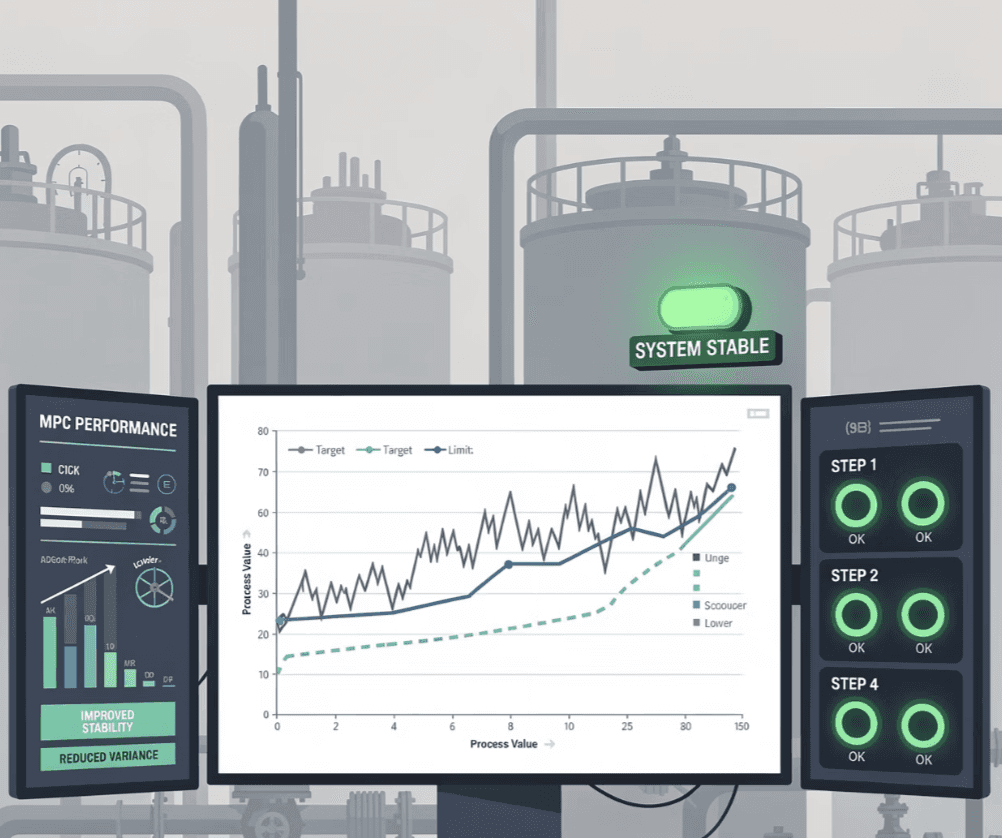
A DaaS project can combine instrumentation with the services required to keep the measurement available, including installation support, maintenance, and technical support according to the agreed service scope. This becomes particularly important when a measurement is being used as an input to an optimisation or MPC application. Once a control system starts making decisions based on a process variable, sensor reliability is no longer simply an instrumentation issue. Measurement availability becomes part of control performance.
The exact project scope has to be defined for the application. Existing infrastructure, installation work, DCS or PLC interfaces, and application-specific engineering must still be evaluated individually. DaaS removes the need to own every device. It does not remove the need for good engineering.
Outright Purchase vs. Device as a Service
| Outright Purchase | Device as a Service | |
|---|---|---|
| Initial expenditure | Higher upfront hardware investment | Low device-specific upfront commitment |
| Recurring cost | Maintenance and support often separate | Predictable service fee |
| Infrastructure | Often financed within each project | Shared infrastructure can support multiple applications |
| Software updates | Often manual or project-based | Remote and continuous where applicable |
| Maintenance | Customer or separate service agreement | Can be included |
| Failure and replacement | Managed by customer | Can be included in service |
| Technology risk | Customer owns ageing equipment | More risk can remain with provider |
| Piloting | Investment often required before validation | Easier to test before longer commitment |
| Scaling | Additional procurement for each device | Existing platform reduces barriers for additional devices |
Neither model is inherently better. The point is that companies should have a choice.
How the Model Handles Campaign Seasonality
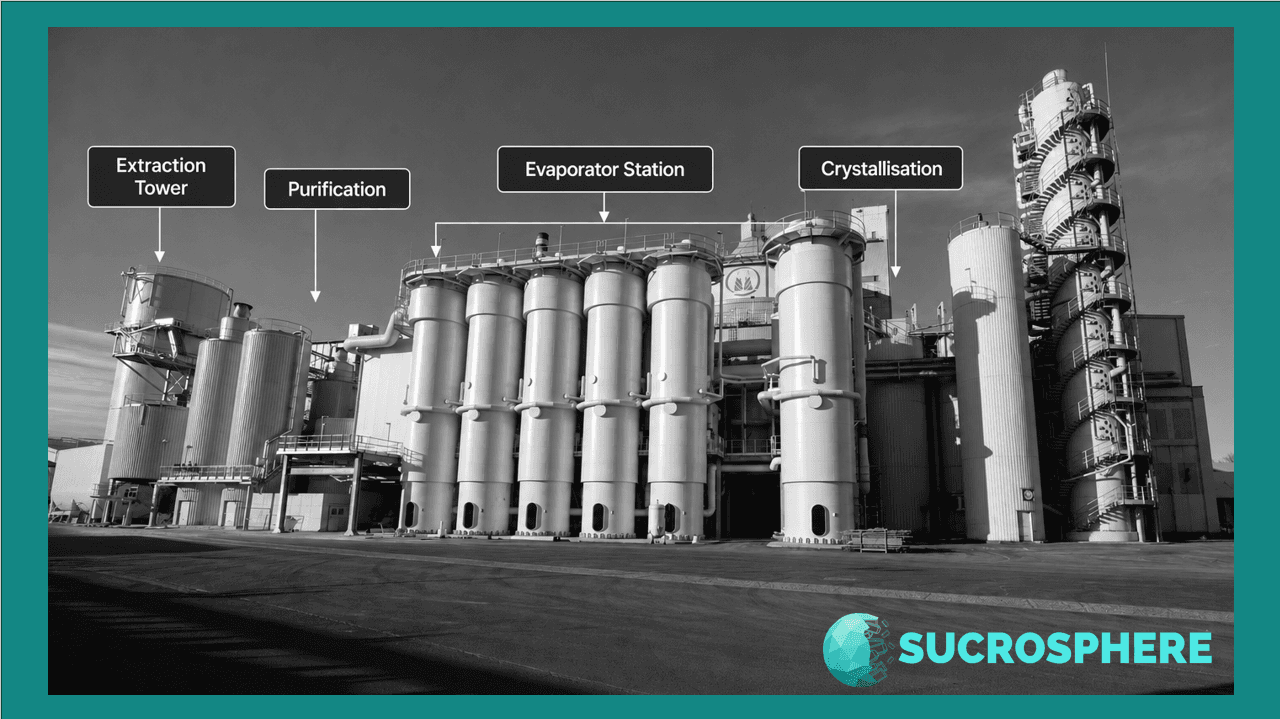
The economics become particularly interesting in the sugar industry because many factories do not operate continuously throughout the year. A beet sugar factory may use sophisticated instrumentation intensively during a campaign lasting only a few months. During the remainder of the year, the production process may be stopped.
The relevant calculation is therefore not simply purchase price versus annual rental fee. It is what reliable measurement costs over the period in which it actually creates value, including support, maintenance, failures, updates, and technology risk.
Campaign operation also increases the importance of availability. Losing a measurement for several weeks in a continuously operating plant is undesirable. Losing it for several weeks during a short campaign can remove a substantial part of its annual value. A service-based model can therefore be aligned more closely with the operational reality of the sugar factory.
It also creates a practical pathway for innovation: start with a clearly defined optimisation problem, introduce the required real-time measurement, validate the benefit during operation, and then decide where the concept should be expanded. That is very different from trying to design a complete factory-wide instrumentation strategy before the first optimisation case has demonstrated its value.
When Buying Outright Still Makes More Sense
Device as a Service is not the right answer for every instrument. If a measurement technology is mature, expected to remain unchanged for many years, easy for the plant's own instrumentation team to maintain, and permanently required regardless of a specific optimisation application, outright purchase may be economically preferable.
Some factories also deliberately prefer asset ownership and already have the internal competence, spare-parts strategy, and service infrastructure to maintain specialised instrumentation. In those situations, buying can be completely logical.
DaaS becomes especially interesting when the measurement is new, the optimisation value still needs to be demonstrated, specialised maintenance is required, technology is evolving quickly, campaign availability is critical, or the initial capital request is preventing an otherwise attractive optimisation project from moving forward.
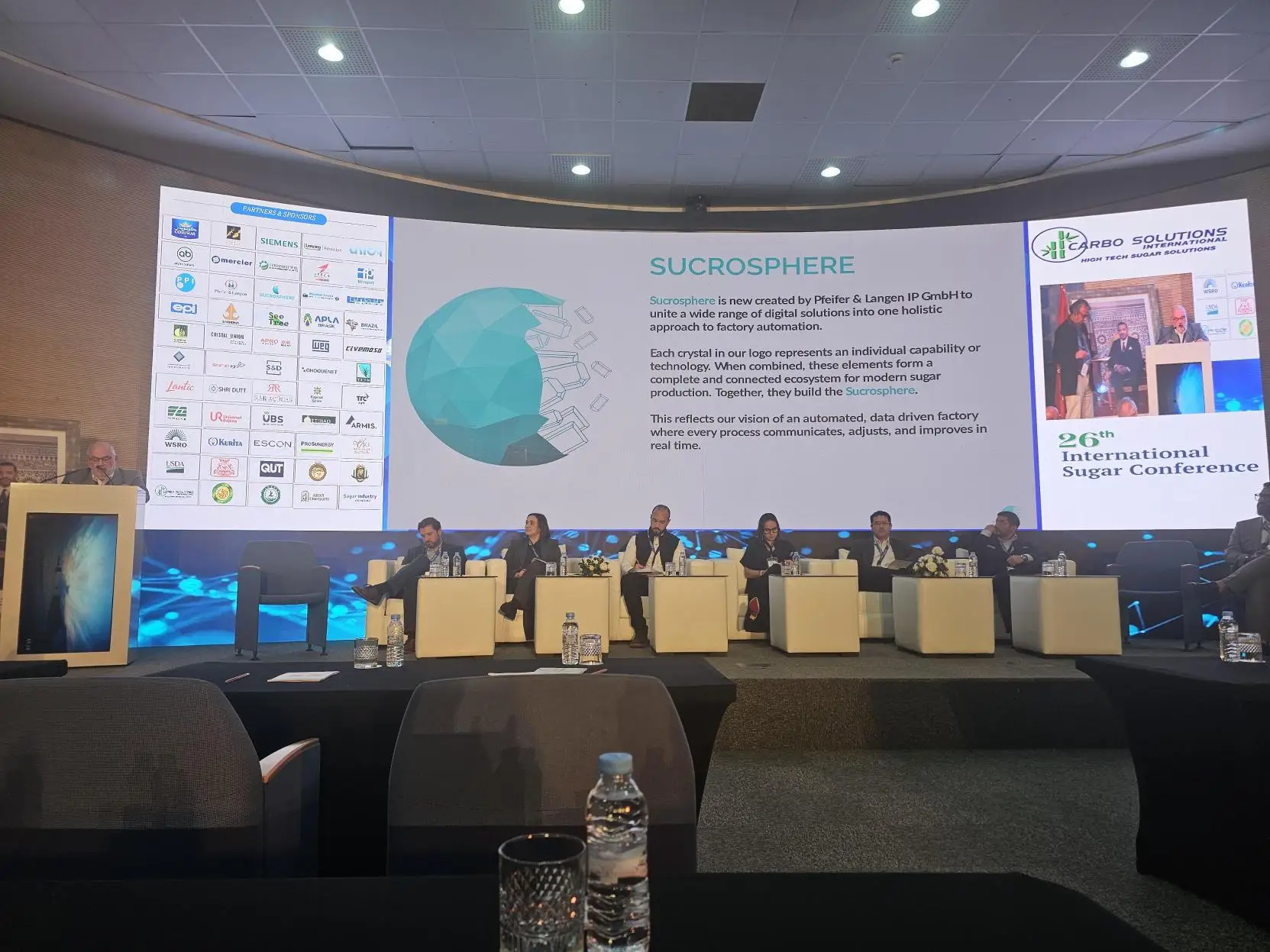
The business case for optimisation should start with the value created in the process, not with the ownership of the device used to measure it. The second post in this series covers what makes the Sucrosphere platform itself different from simply renting a sensor.
Want to Know More?
The deployment methodology and results from our sensor and optimisation projects are in the Sucrosphere white papers.