Poor cossette geometry affects sugar recovery, extraction stability and energy consumption at every step downstream. The VSS Cossettes sensor makes slicing quality measurable in real time, so operators can act before losses compound.
Poor cossette quality is more than a slicing problem. Inconsistent geometry, excessive fines and damaged cossettes can disrupt extraction, reduce sugar recovery and increase energy consumption. Once the cossettes enter the extractor, the consequences of poor cutting quality are difficult to reverse, and their economic impact extends far beyond the slicing station.
In many sugar factories, slicing quality is still assessed through periodic manual sampling. Between checks, conditions can shift as knives wear or raw material characteristics change. What if operators could monitor cossette geometry continuously rather than relying on isolated snapshots?
Why Does Cossette Quality Matter for Extraction?
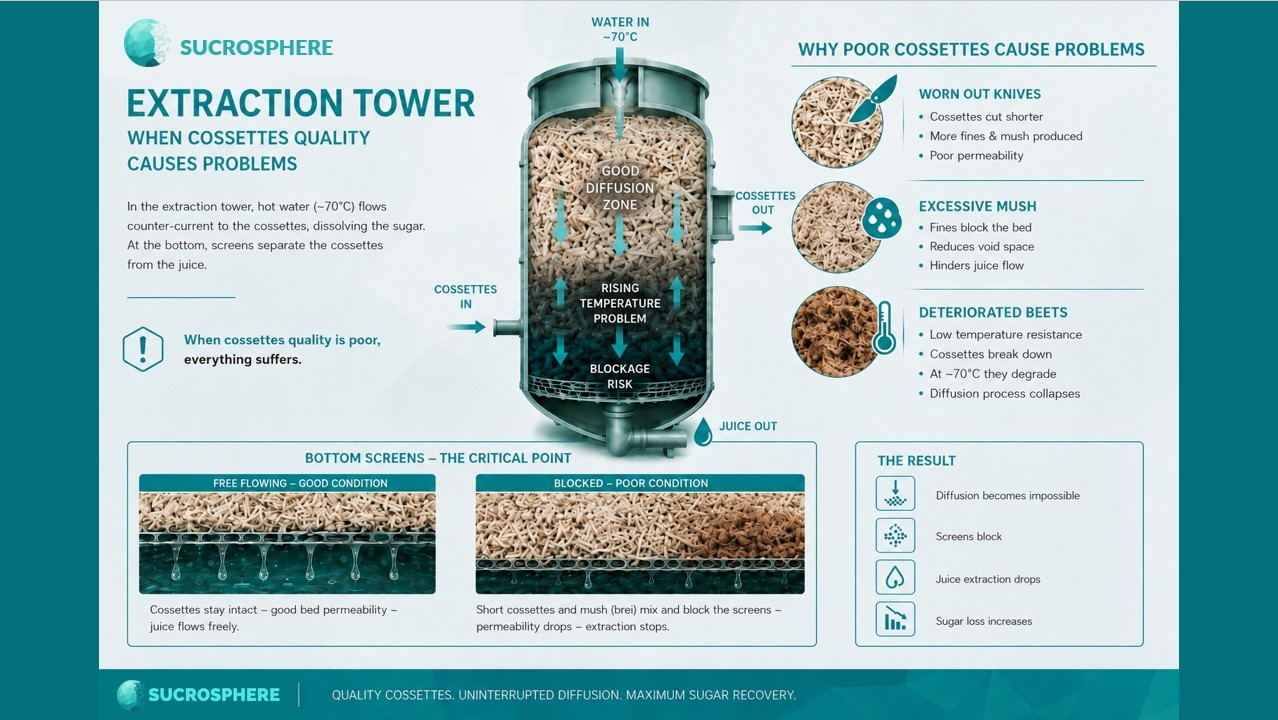
In the extraction tower, hot water flows counter-currently through the beet cossettes, dissolving and recovering the sucrose contained in the beet tissue. The efficiency of this process depends heavily on cossette geometry, uniformity and structural integrity. Poorly cut or damaged cossettes can restrict juice flow, impair mass transfer and create uneven extraction conditions.
The consequences compound: higher sugar losses in exhausted pulp, increased energy demand, reduced extraction capacity and greater operational instability. Cossette quality is therefore not simply a parameter of the cutting process. It is a critical factor determining extraction efficiency, production costs and ultimately factory profitability.
1. How Cossette Geometry Influences Sugar Recovery
The primary objective of extraction is to transfer as much sucrose as possible from the beet into the juice. Uniform, well-formed V-shaped cossettes provide suitable surface area for diffusion while retaining their structure throughout the process. Poorly cut or damaged cossettes reduce extraction efficiency, increasing residual sucrose in exhausted pulp and reducing recoverable sugar. Online NIR measurements of exhausted cossettes provide additional insight into residual sugar content, helping operators assess extraction performance alongside cossette geometry data.
2. Supporting Slicing Capacity and Stable Extraction
Excessively short, crushed or poorly formed cossettes compact and break down into fine material, restricting juice circulation and contributing to blockages at extraction tower sieves. Pectin released from damaged beet tissue can aggravate these problems. Flow restrictions destabilise extraction, require operator intervention and limit throughput. Continuous cossette monitoring identifies changes in slicing quality before they become persistent process issues.
3. Where Cossette Quality Affects Energy Demand
Poor cossette quality may require a higher draft ratio to manage pulp sugar losses, increasing the volume of juice that must be heated and subsequently concentrated by evaporation. Additional juice volume also raises the load on purification. Downstream, long, well-structured cossettes support effective mechanical pulp pressing. When more water is removed in the press, less remains to be removed during thermal pulp drying, reducing energy demand and operating costs in factories producing dried pulp.
4. Potential Effects on Purification and Molasses Losses
Excessive cell rupture releases additional non-sugar compounds into raw juice, increasing the purification burden and potentially raising lime consumption and energy requirements. Non-sugars also influence crystallisation and the amount of sucrose retained in molasses. Limiting unnecessary cell damage therefore contributes to better overall sugar recovery, though the final impact depends on factory operating conditions.
Cossette quality is a measurable factor that informs decisions across sugar recovery, throughput, juice processing, pulp drying and energy performance. Managing it well requires more than periodic sampling.
From Manual Silin Measurements to Continuous Online Monitoring
Factories have traditionally assessed cossette quality using the Silin Number, which measures the total length of cossettes in a 100 g sample, and the Swedish Number, which evaluates size distribution by comparing the mass of longer cossettes with that of very short pieces. Both indicators help operators evaluate slicing fineness and consistency.
Traditional assessment requires sampling and manual measurement. It provides only a snapshot of performance. Cossette geometry can change between samples as knives wear or when foreign objects such as stones, weeds or wood affect slicer performance. A gradual deterioration in cutting quality may remain unnoticed until the next scheduled check.
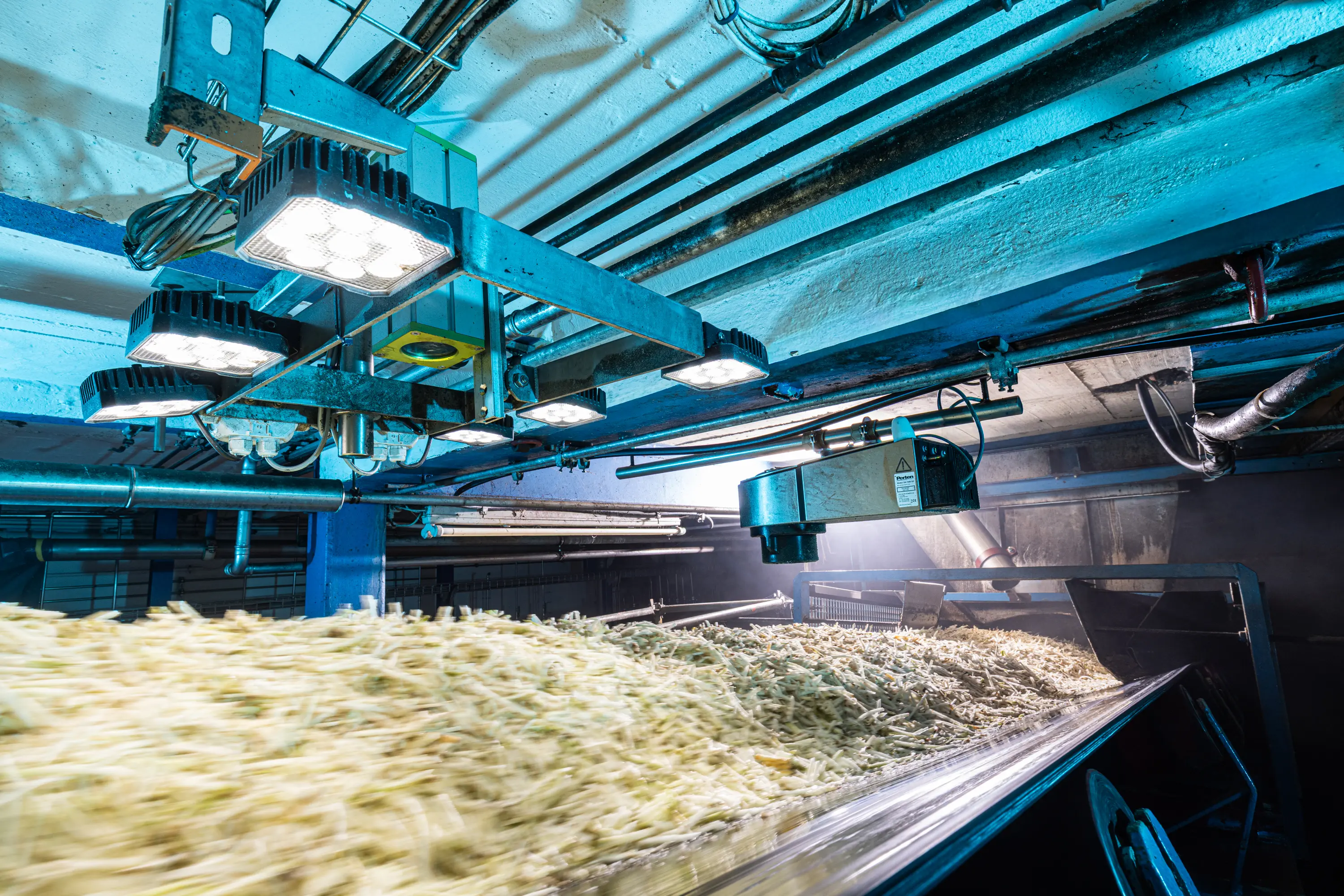
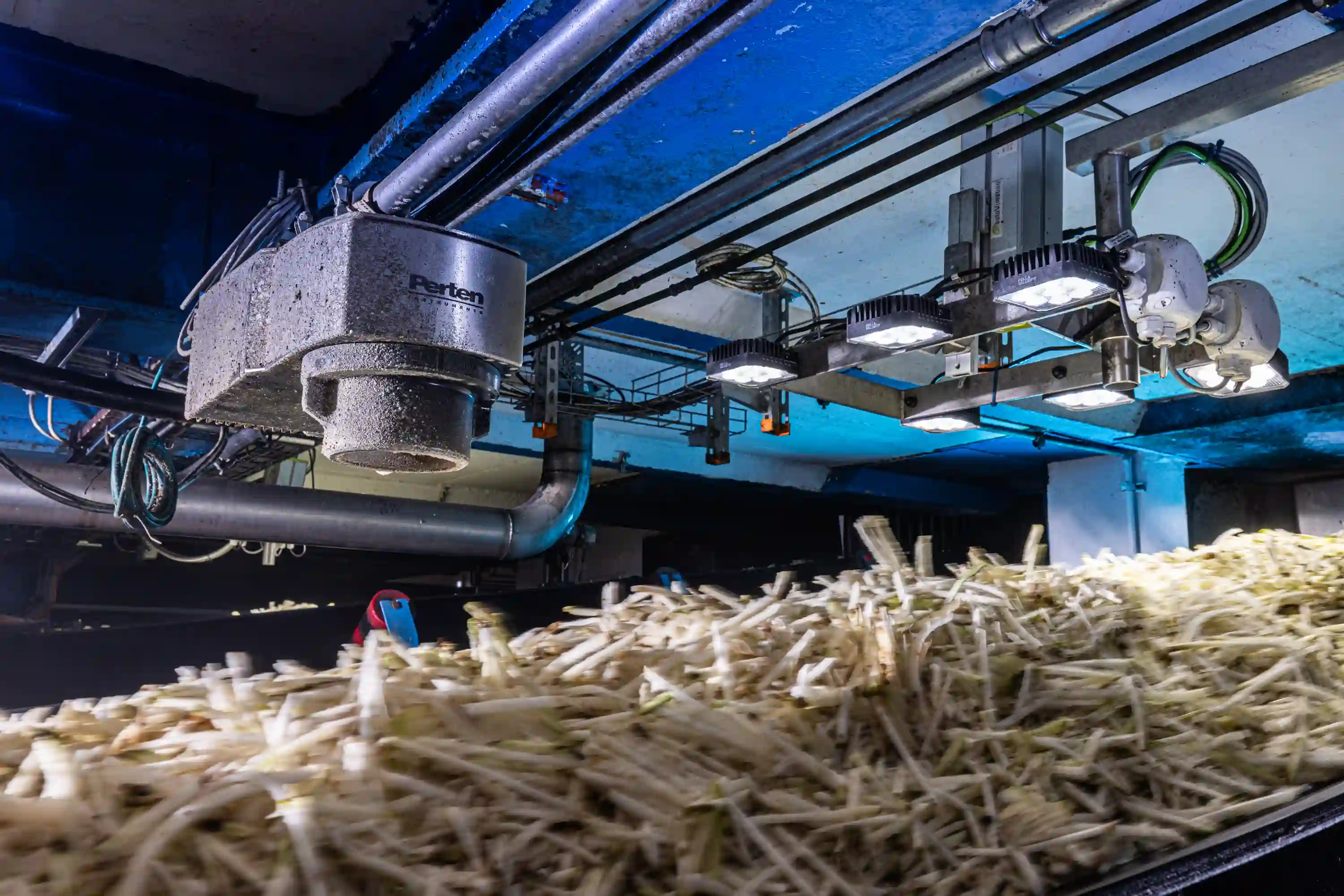
Sucrosphere's VSS Cossettes addresses this by using a high-resolution industrial camera, a distance sensor and AI-supported image recognition to analyse cossettes directly on the conveyor belt. The system runs continuously and requires no manual sampling.
The system measures key geometric parameters in real time:
- Length and width: tracks cossette dimensions and slicing consistency.
- Disc and piece counts: monitors changes in slicer performance.
- Length-to-width ratio and estimated surface area: provides deeper insight into cossette geometry.
- Calculated P&L Silin Number: a new continuous KPI developed by Pfeifer & Langen IP, analogous to the traditional Silin Number but adapted for vision-system measurement. It provides an ongoing indicator of slicing fineness without requiring a physical 100 g sample.
Measurements and trends are presented via a web-based HMI, allowing operators and engineers to review images, track historical trends and compare slicer performance over time.
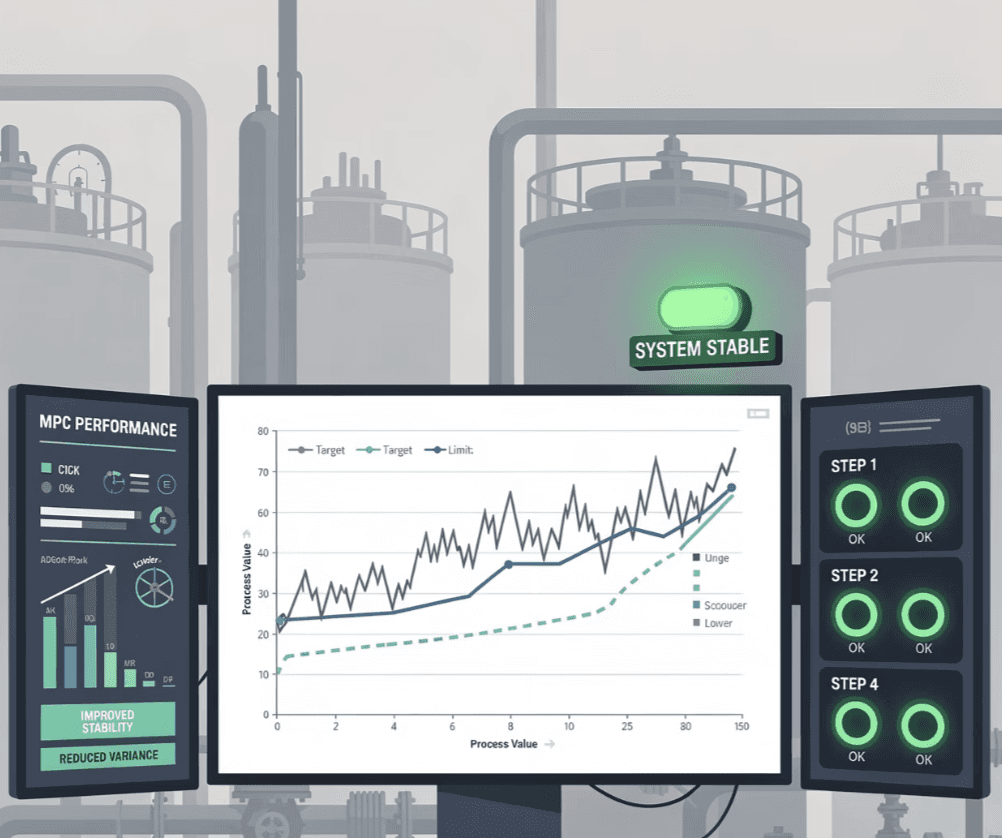
One sensor alone does not improve the process. The VSS Cossettes is designed to work alongside additional real-time sensors and, for closed-loop control, with the Sucrosphere MPC Extraction system.
Connecting Slicing Quality to Extraction Performance
VSS Cossettes makes the geometry of cossettes entering extraction visible over time. By combining cossette measurements with data on sugar in exhausted pulp, juice flow, pressed-pulp dry matter and drying energy, factories can investigate the operational and economic effects of slicing quality with evidence rather than inference.
For factories looking beyond monitoring, these measurements can be combined with online NIR analysis of cossettes, raw juice and exhausted cossettes, together with Model Predictive Control for extraction. MPC uses a process model to anticipate how extraction responds to operating conditions and calculates control actions within defined constraints.
Together, continuous cossette assessment, NIR measurements and model-based control support a more integrated approach to sugar recovery, extraction stability and energy performance. The actual benefit depends on factory conditions and on how the measurements are used to guide decisions.
The first step is to make slicing performance visible. Then connect what is measured with the decisions operators make every day.
Explore Continuous Cossette Monitoring for Your Factory
Want to understand how real-time cossette monitoring could support your extraction process? Sucrosphere's VSS Cossettes provides the continuous slicing visibility that periodic sampling cannot. Explore what it could mean for your factory's recovery, throughput and energy performance.
This article is part of the Sucrosphere series on sugar factory extraction and process optimisation. Related reading: Smart Extraction Control: How VSS, NIRS and MPC Are Redefining Sugar Recovery.