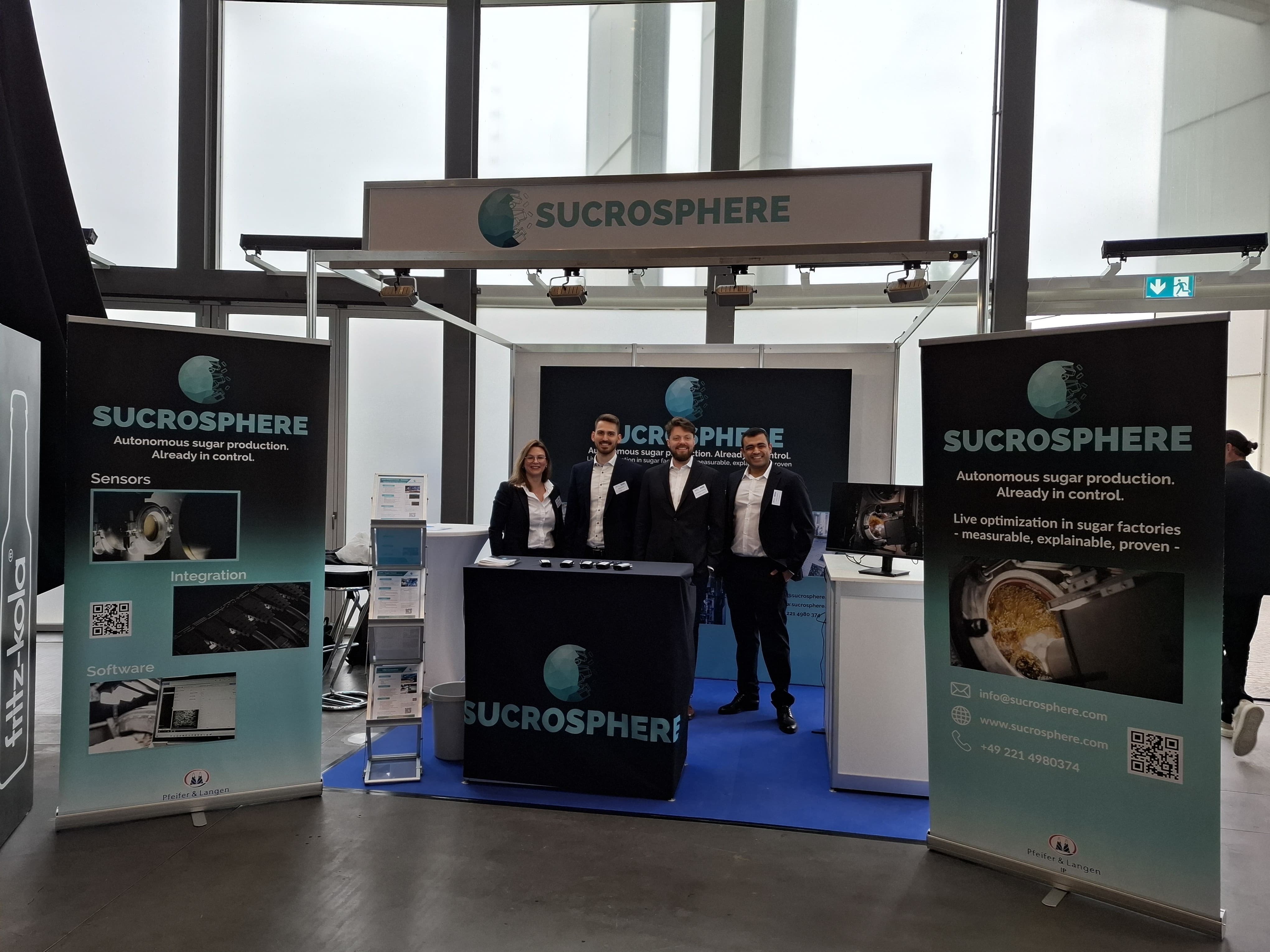
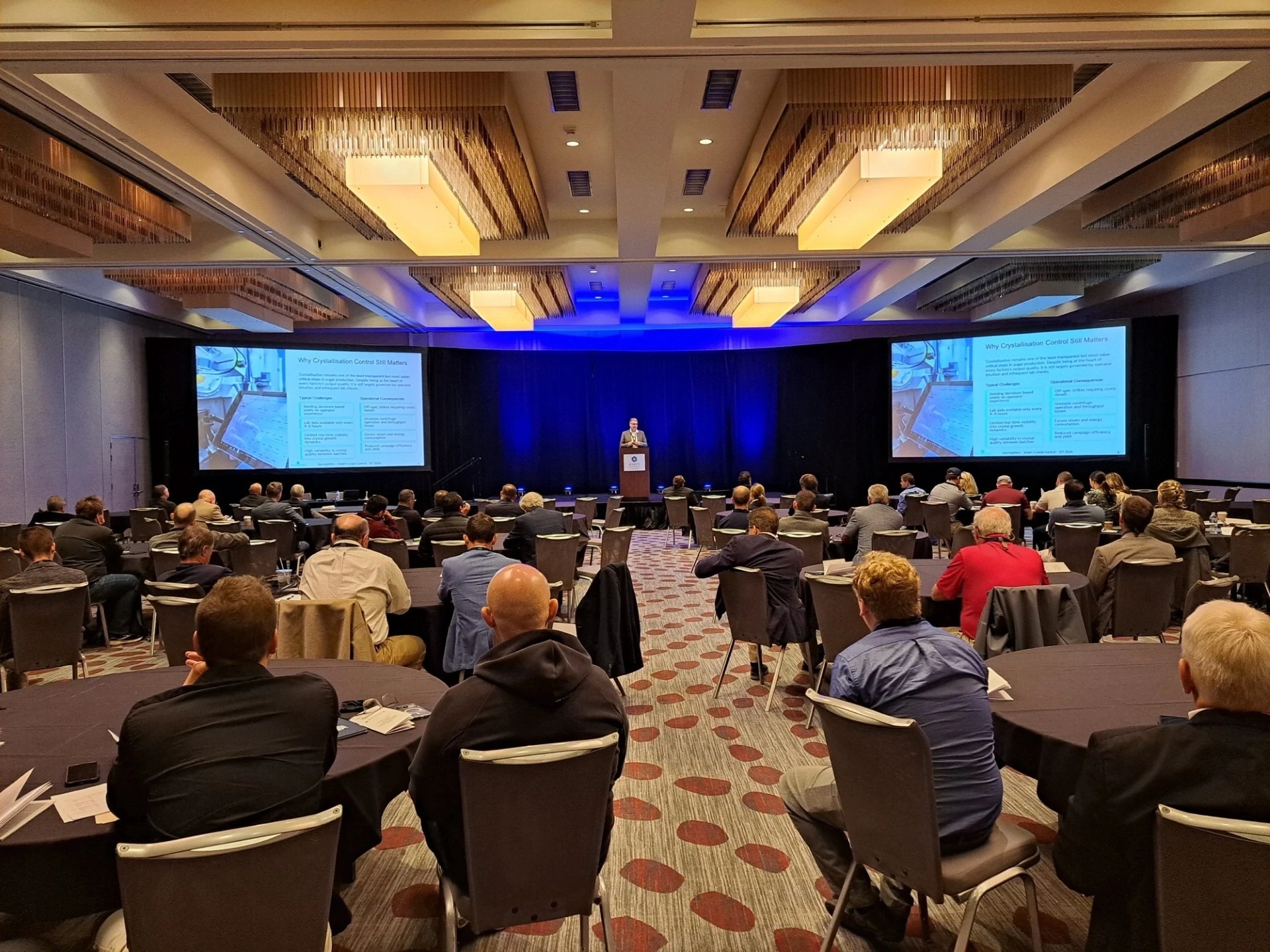
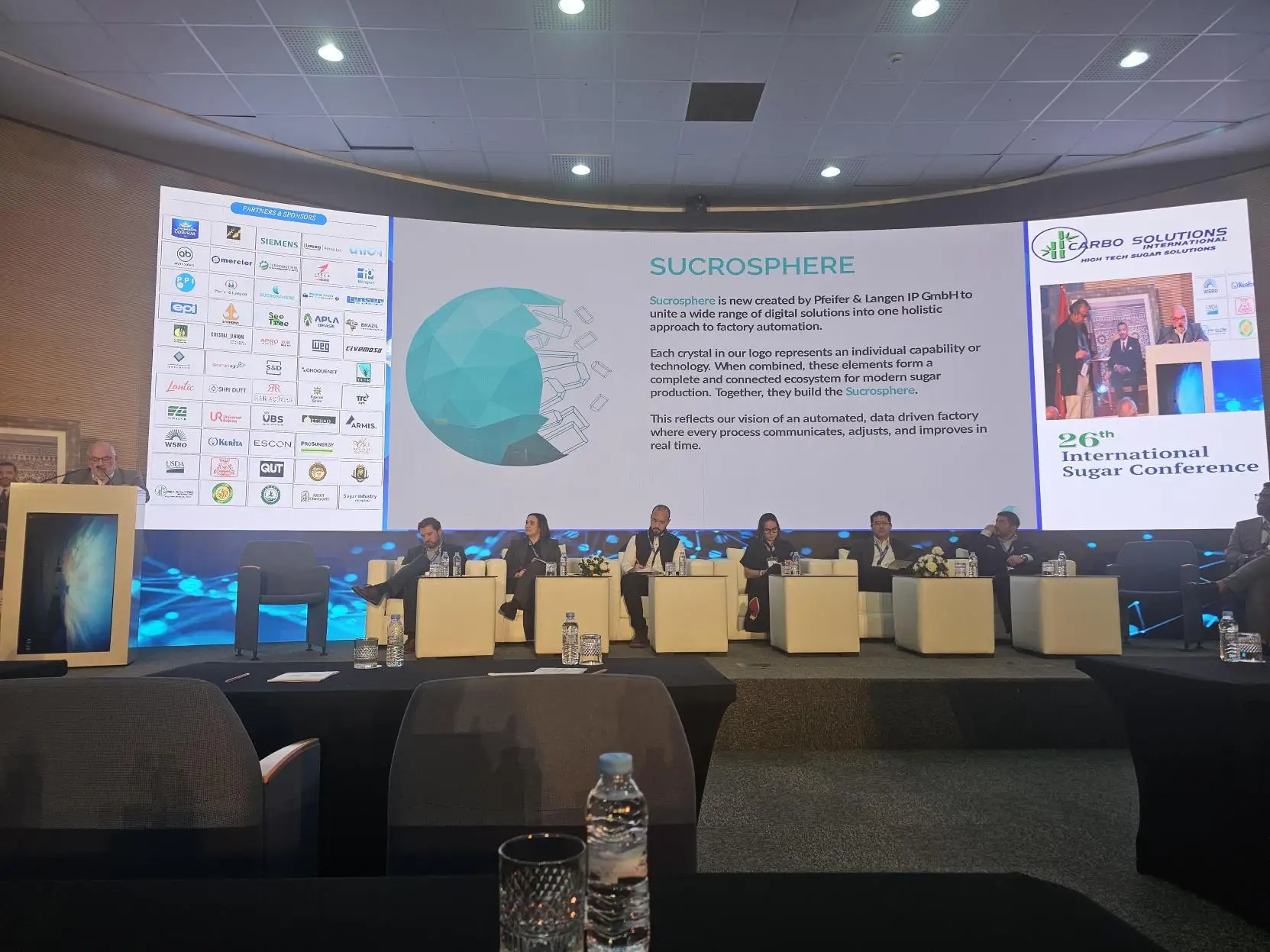
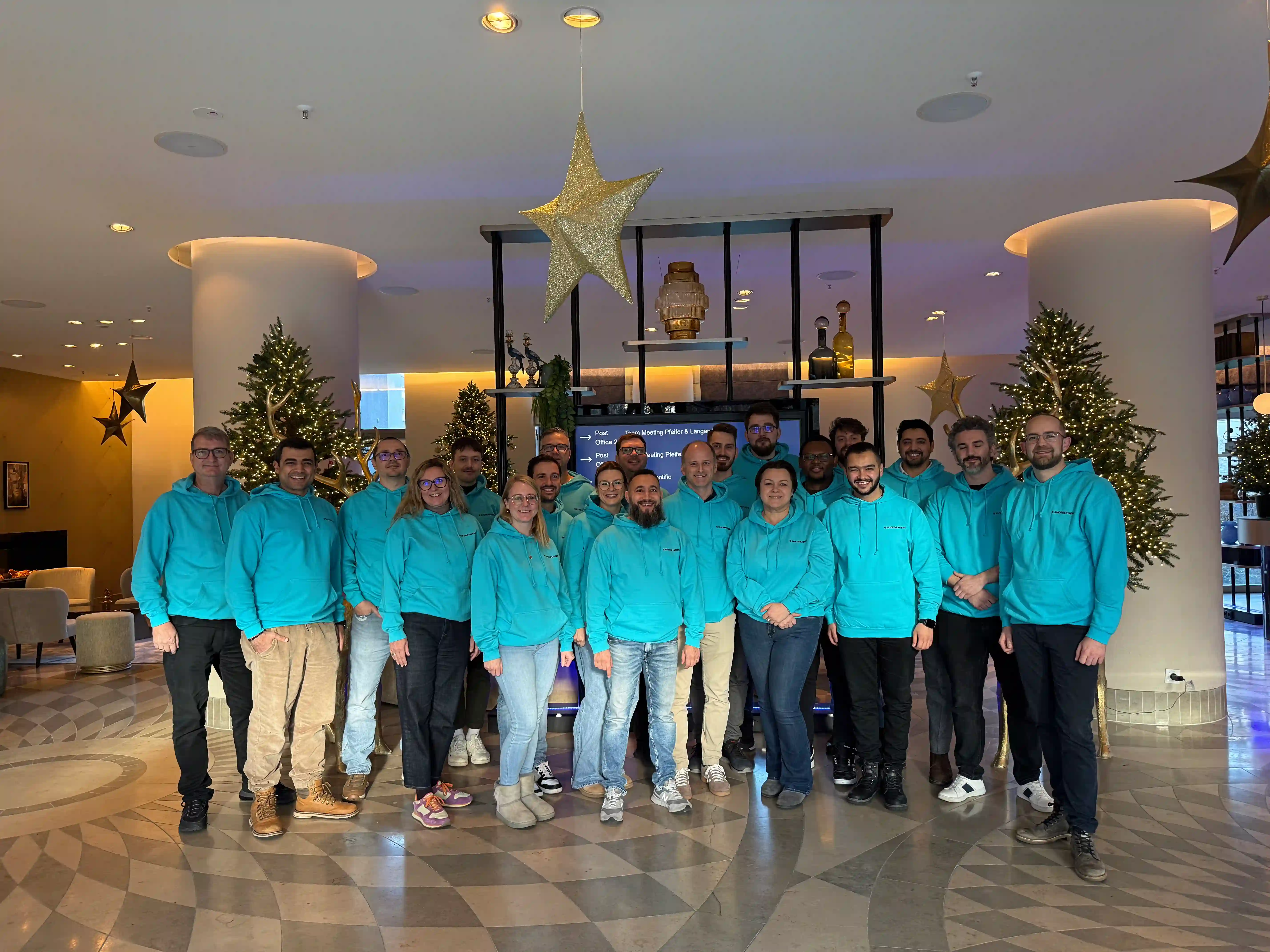
In the first video of our three-part series, Mark Burkhardt and Arend Wittenberg explain where Sucrosphere came from, what it does, and where it is headed.
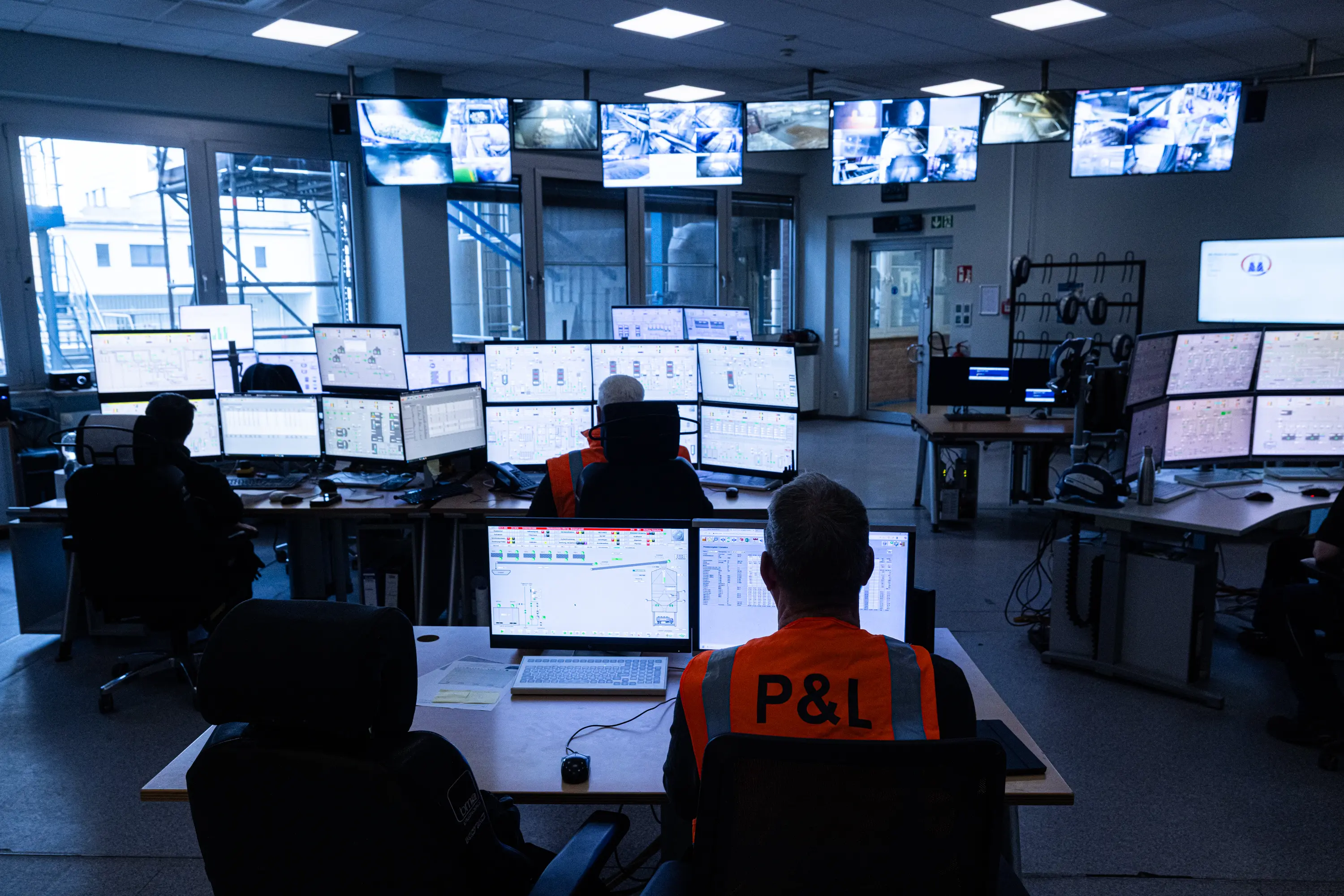
Walk into a modern sugar factory and you will see screens everywhere. Every batch, every temperature, every flow is tracked in real time. By any reasonable measure, the industry is well automated. So why does a percentage of recovery still go uncaptured at the end of every campaign?
That question is where Sucrosphere begins. Mark Burkhardt and Arend Wittenberg open this first video with an honest account of the gap between a factory that is automated and one that is actually optimised. It is a distinction that rarely shows up in the process itself, but shows up clearly in the numbers when the campaign ends.
The Problem Behind the Problem
Pfeifer & Langen has been running sugar factories for 150 years. That is where Sucrosphere's understanding of the problem comes from. Not from the outside looking in, but from inside a large industrial producer watching experienced operators do work that a system with the right information should have been doing.
Arend brings the customer side of that same picture. As someone who spent years on the plant management side before moving to the technology side, his perspective on what frustrates factories about automation is specific and earned. The video captures that conversation as a genuine back-and-forth, not a rehearsed presentation.
What the Platform Does
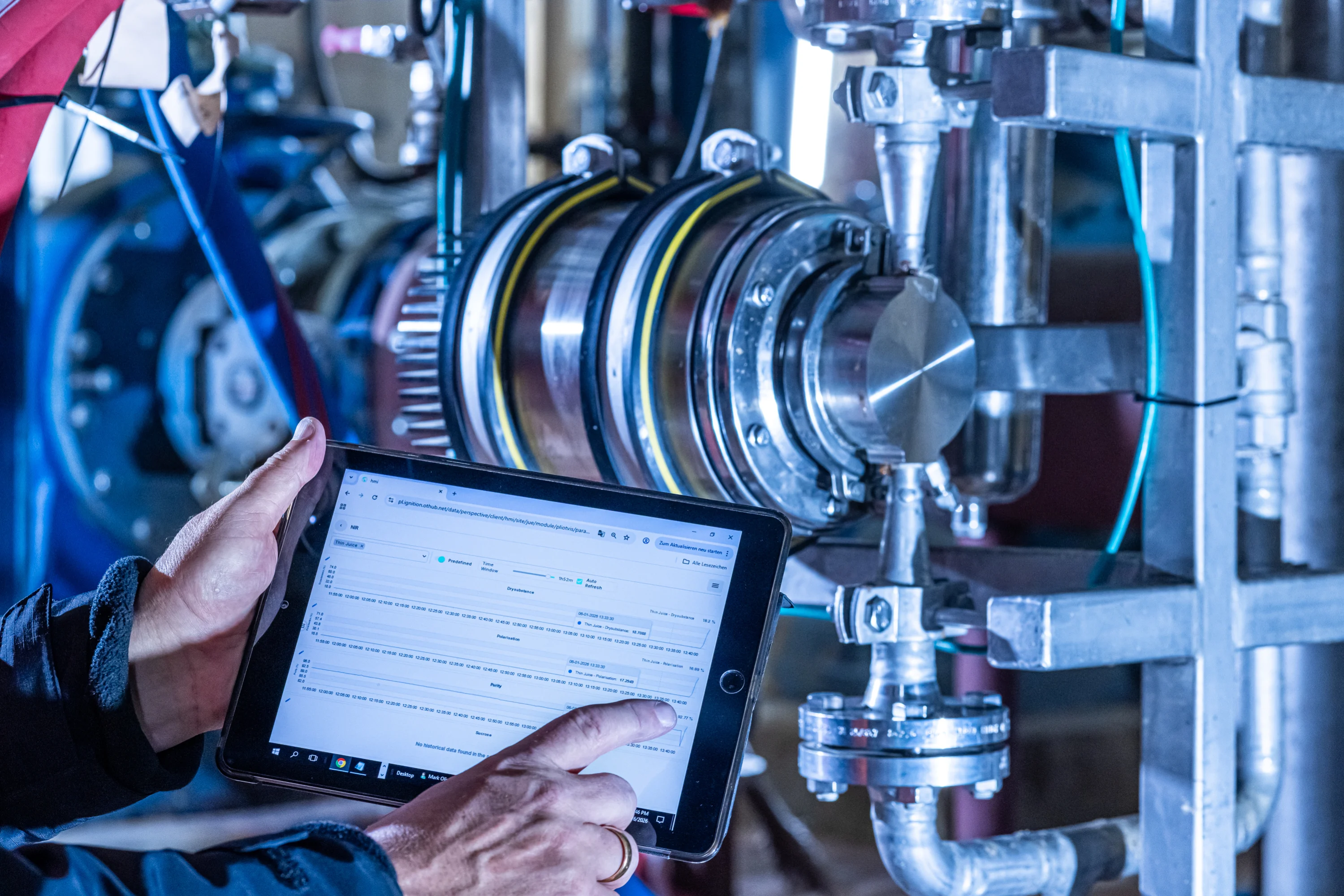
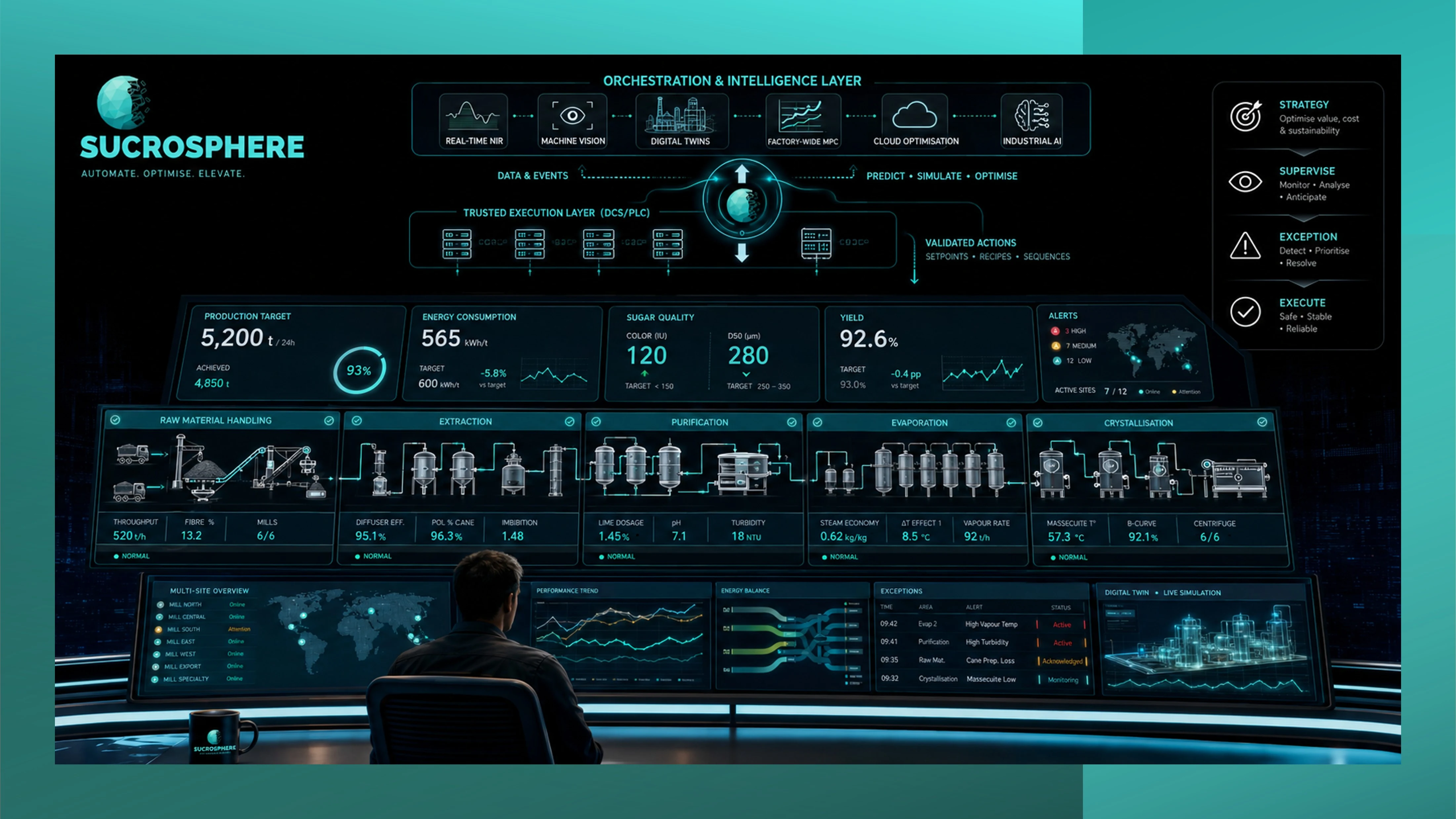
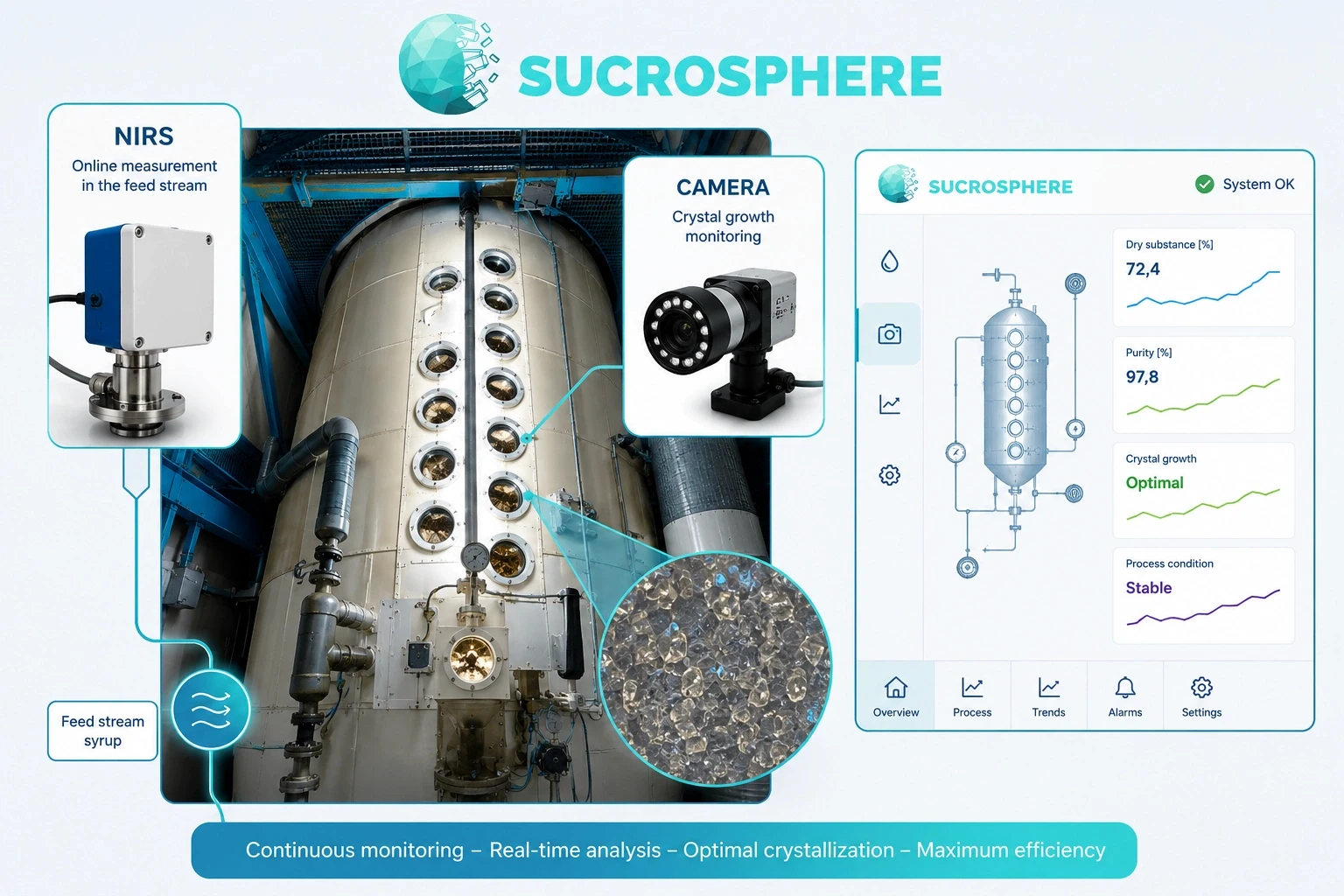
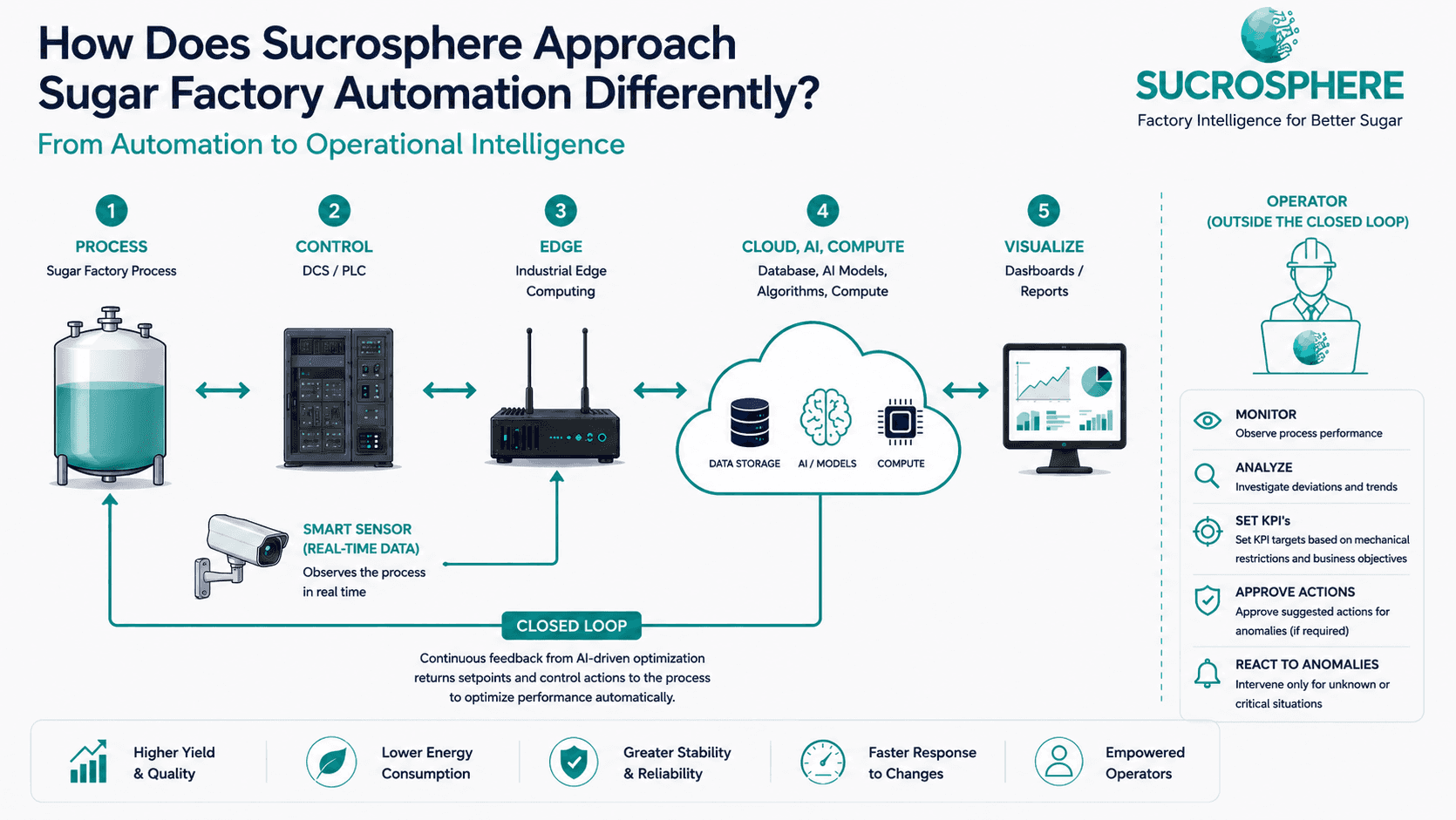
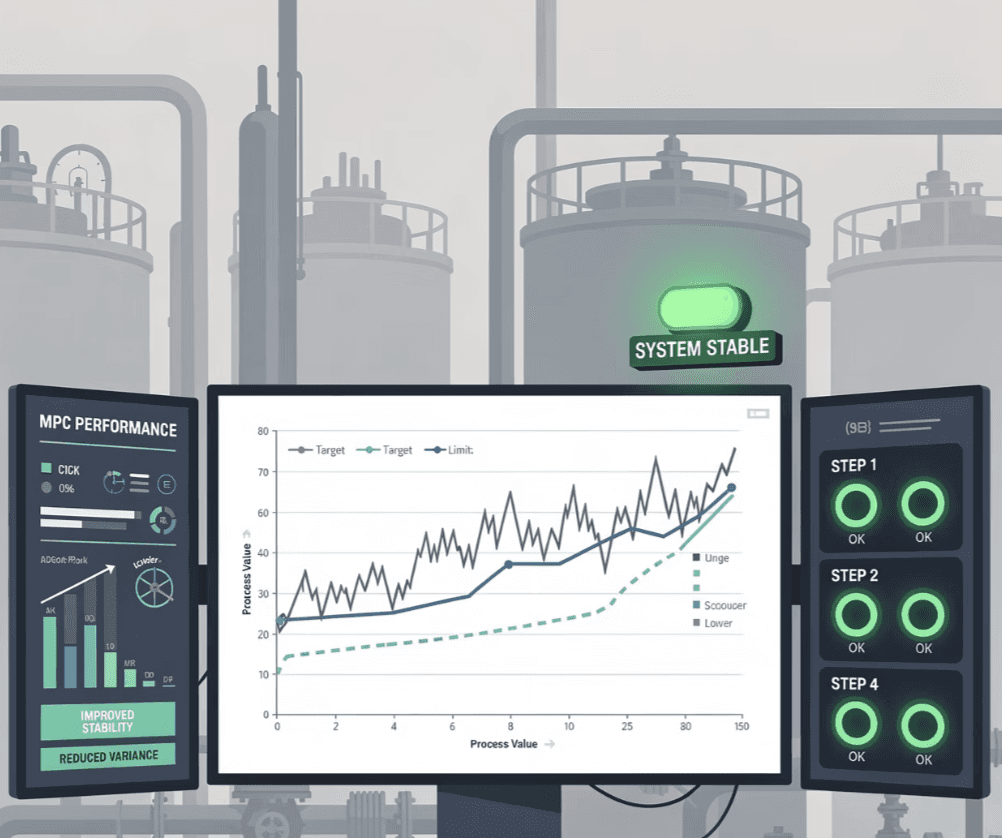
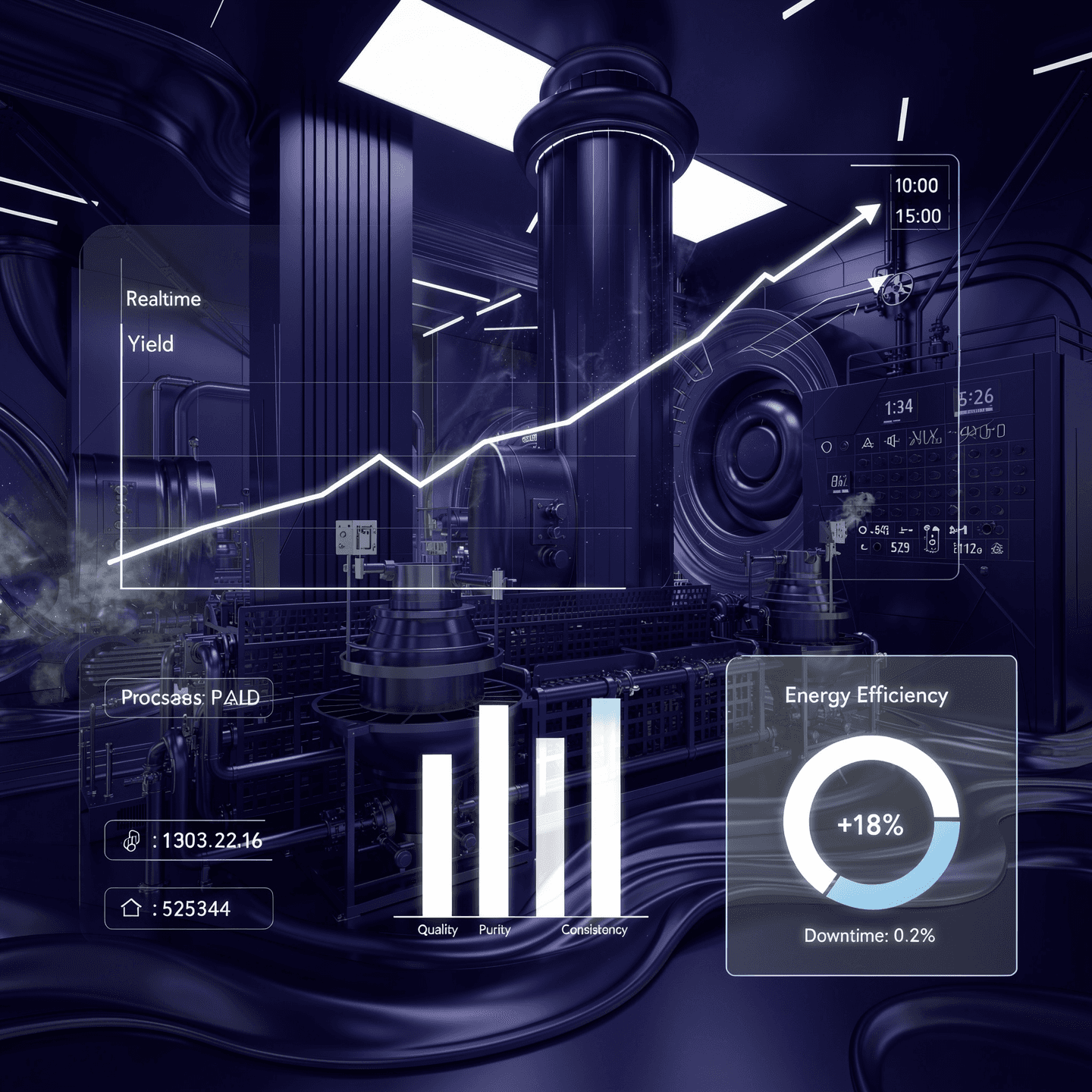
The video walks through the three core things Sucrosphere does: measuring continuously rather than waiting on lab cycles, predicting instead of reacting, and connecting the stages of the production line so decisions are never made in isolation. Mark explains this in practical terms, not engineering terms, and Arend pushes back with the questions a plant manager would actually ask.
One of the questions that comes up repeatedly is whether this replaces what a factory already has. The answer shapes how the whole deployment model works, and it is answered directly rather than diplomatically.
A New Chapter
The video also marks a transition for Sucrosphere itself. Arend Wittenberg joins the conversation not just as an interlocutor but as Managing Director, and the video explains why that matters for factories considering the platform. Thirty years in the industry, including time at Cosun, Nordzucker and BMA, gives him a particular view of why automation projects fail to deliver and what the phased deployment model is designed to prevent.
▶︎ Watch Video 1: The Transition Story
Mark Burkhardt and Arend Wittenberg on where Sucrosphere came from and what it does. Then continue to Video 2 to see where the industry currently stands.